
Last updated November 16, 2026
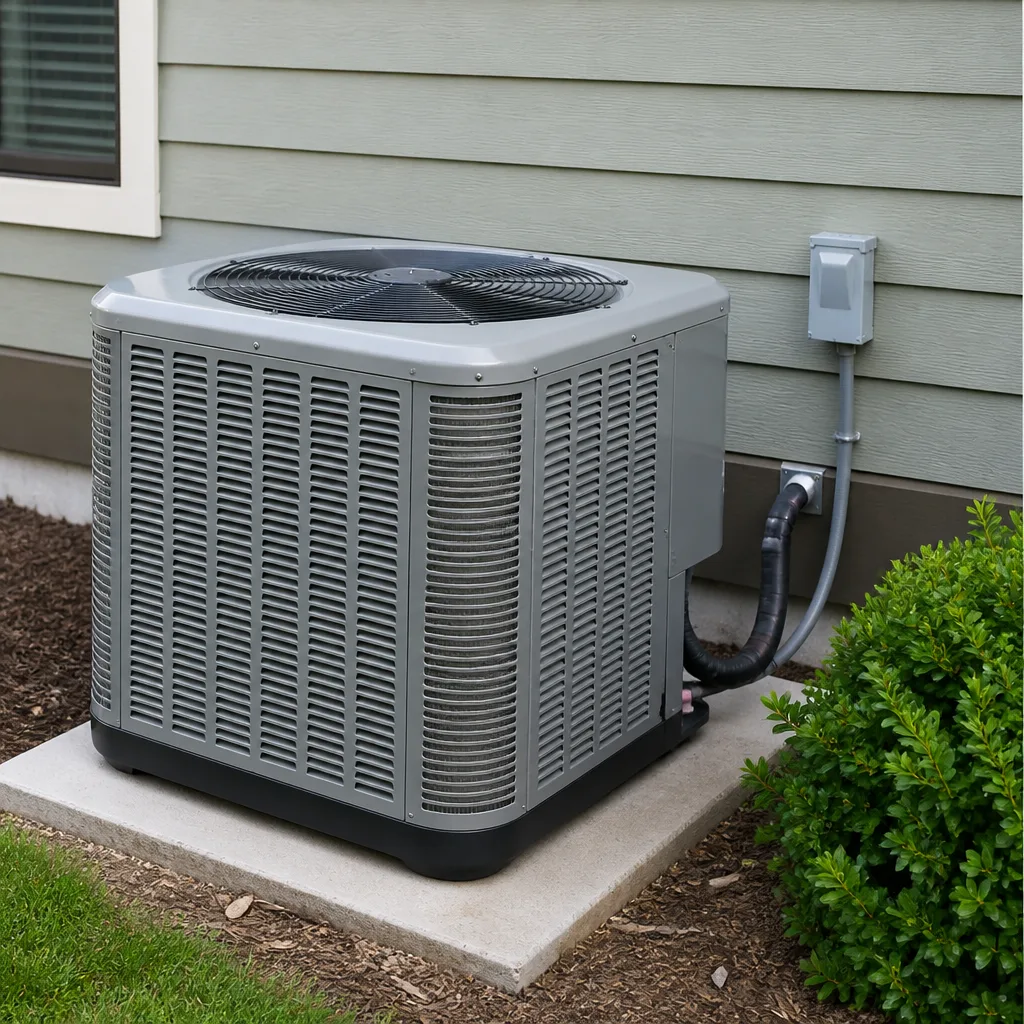 AC repair
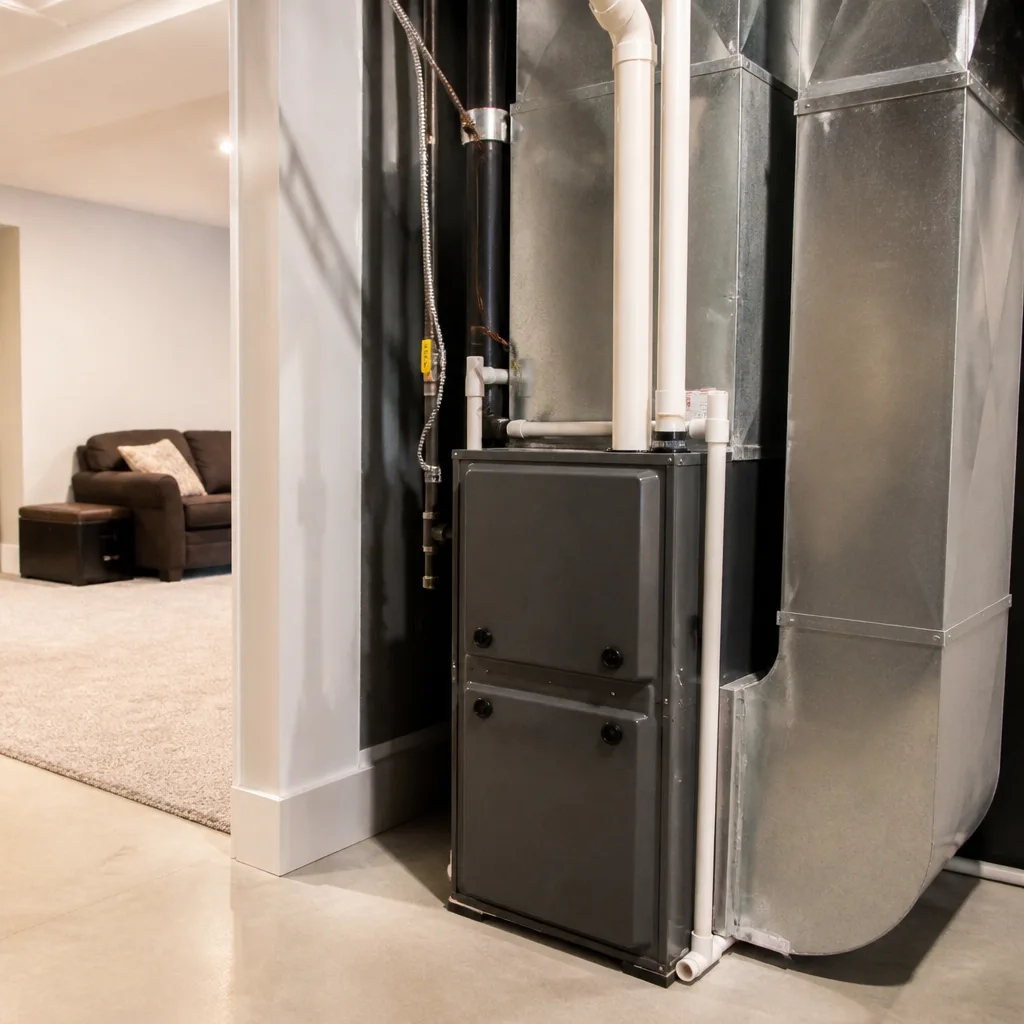 Furnace & heating
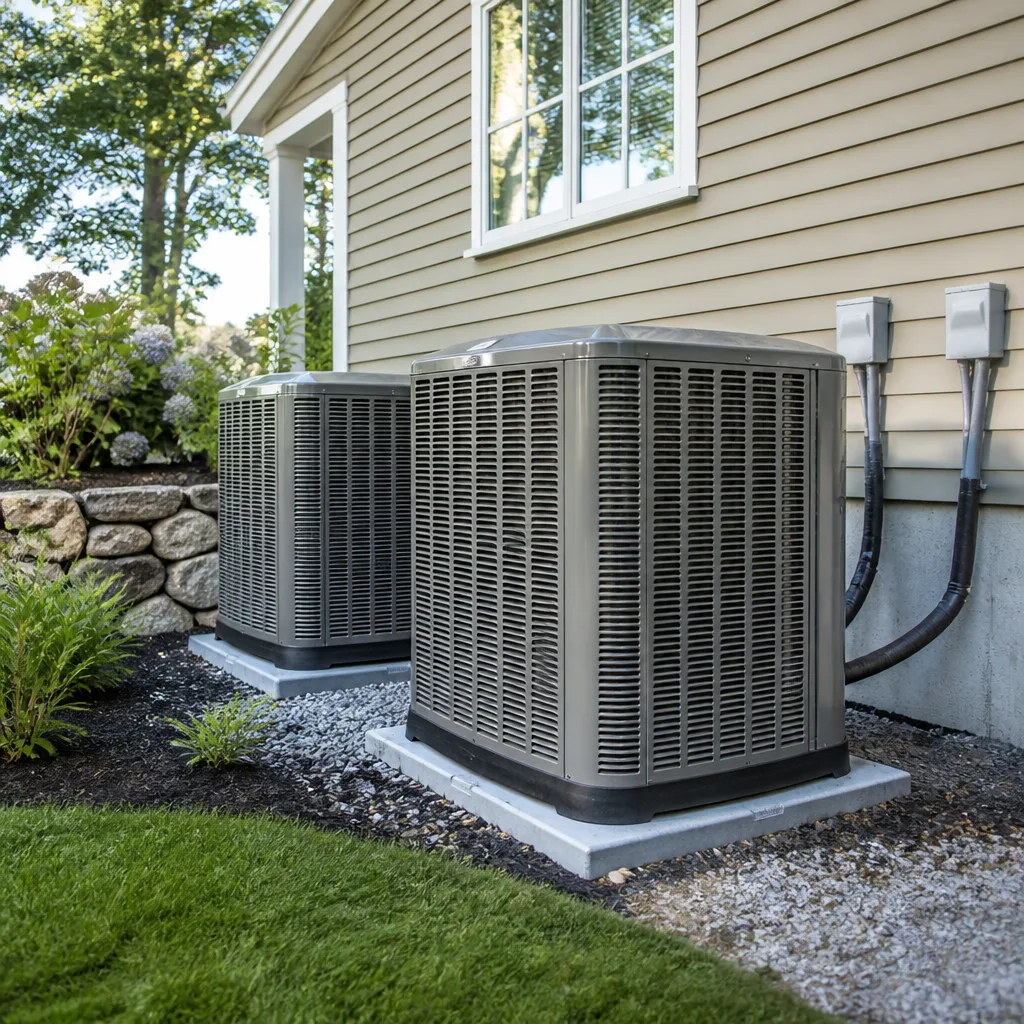 Heat pumps
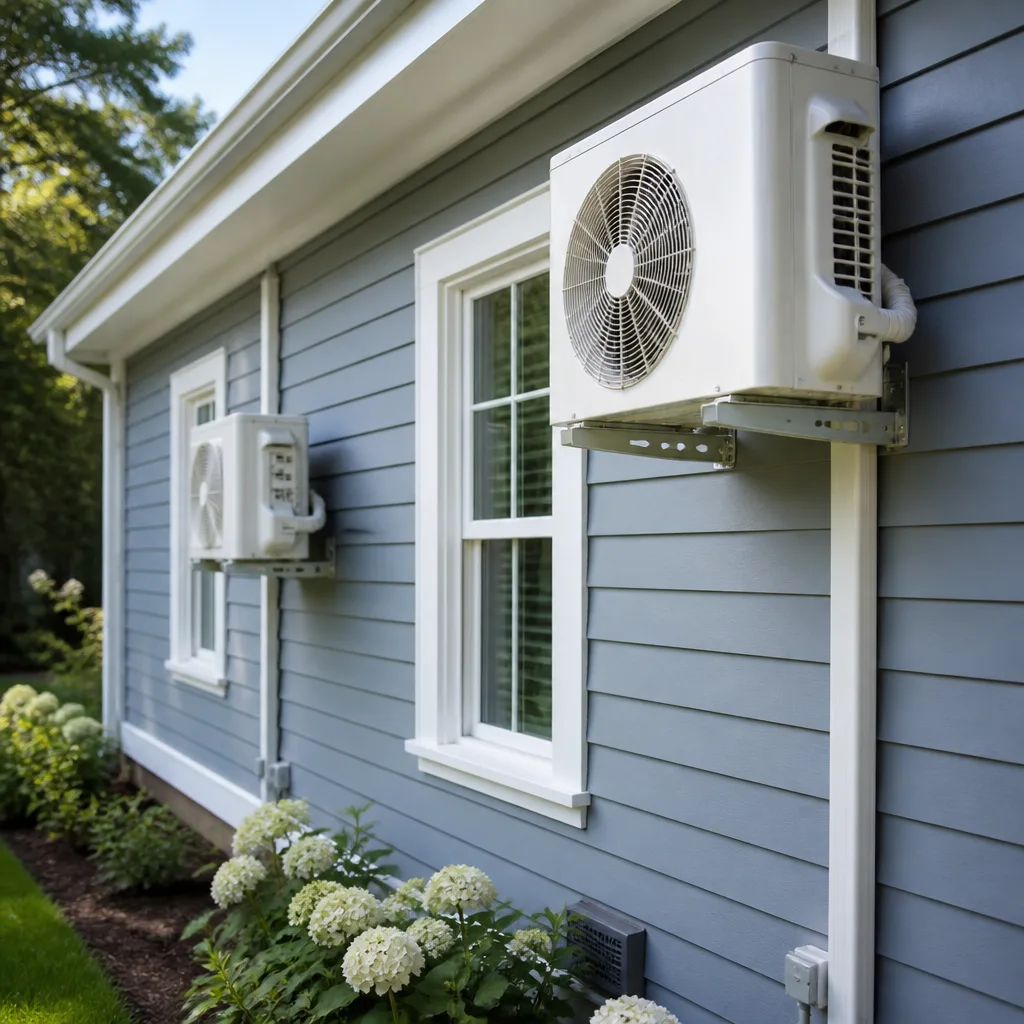 Ductless mini splits
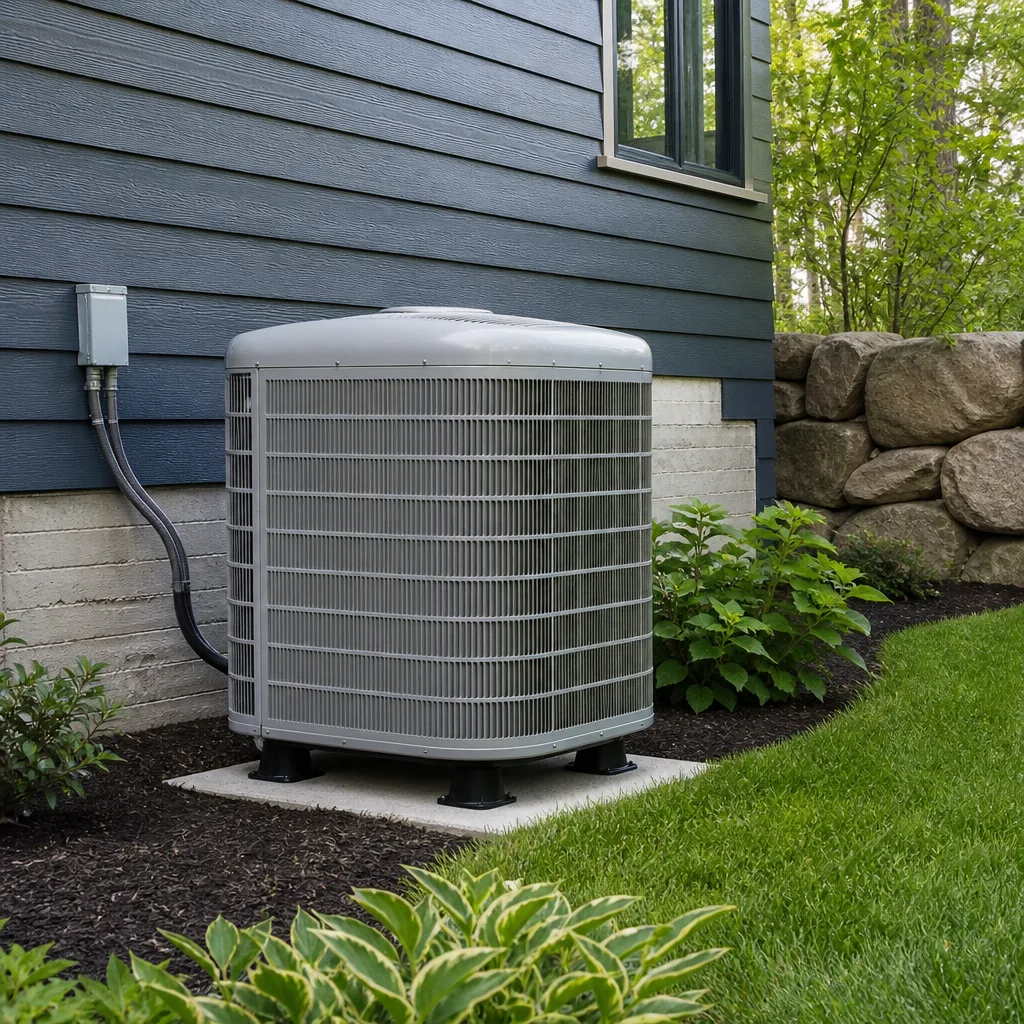 Carrier
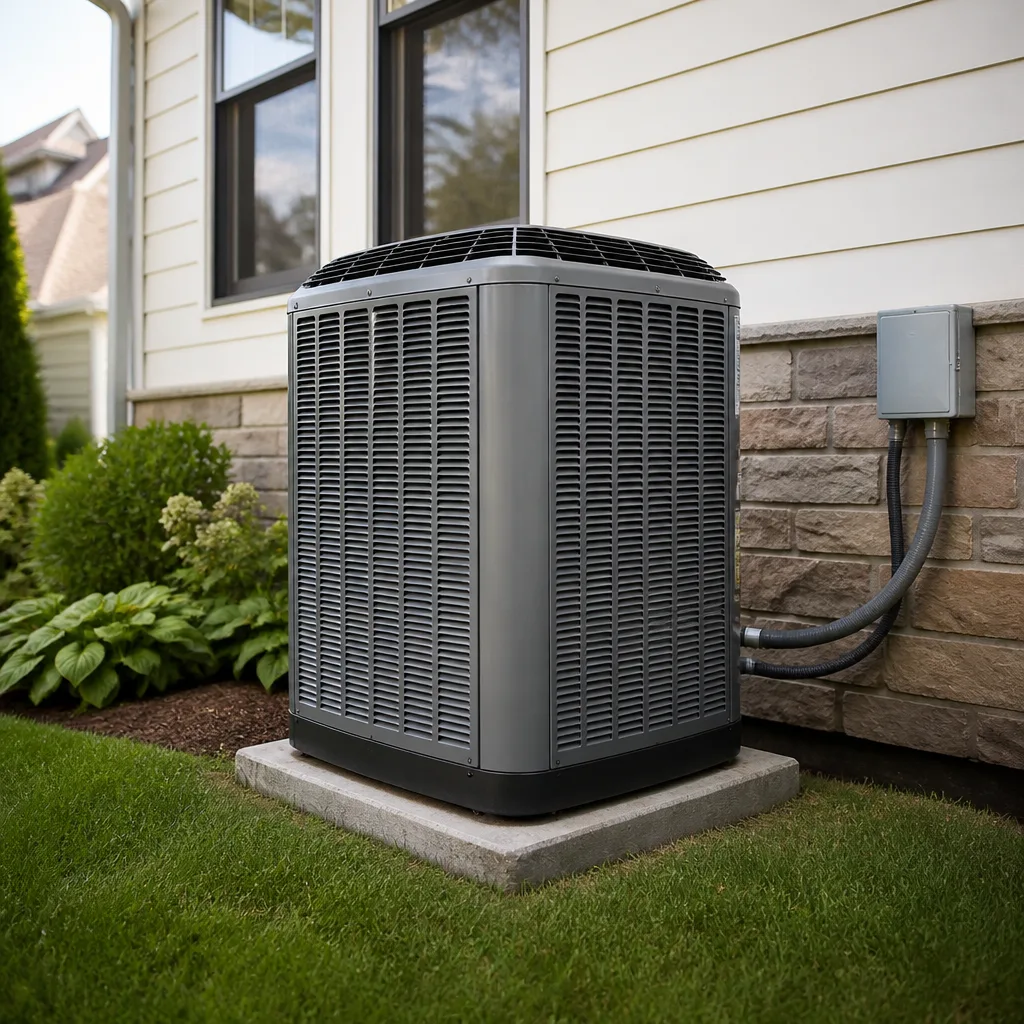 Trane
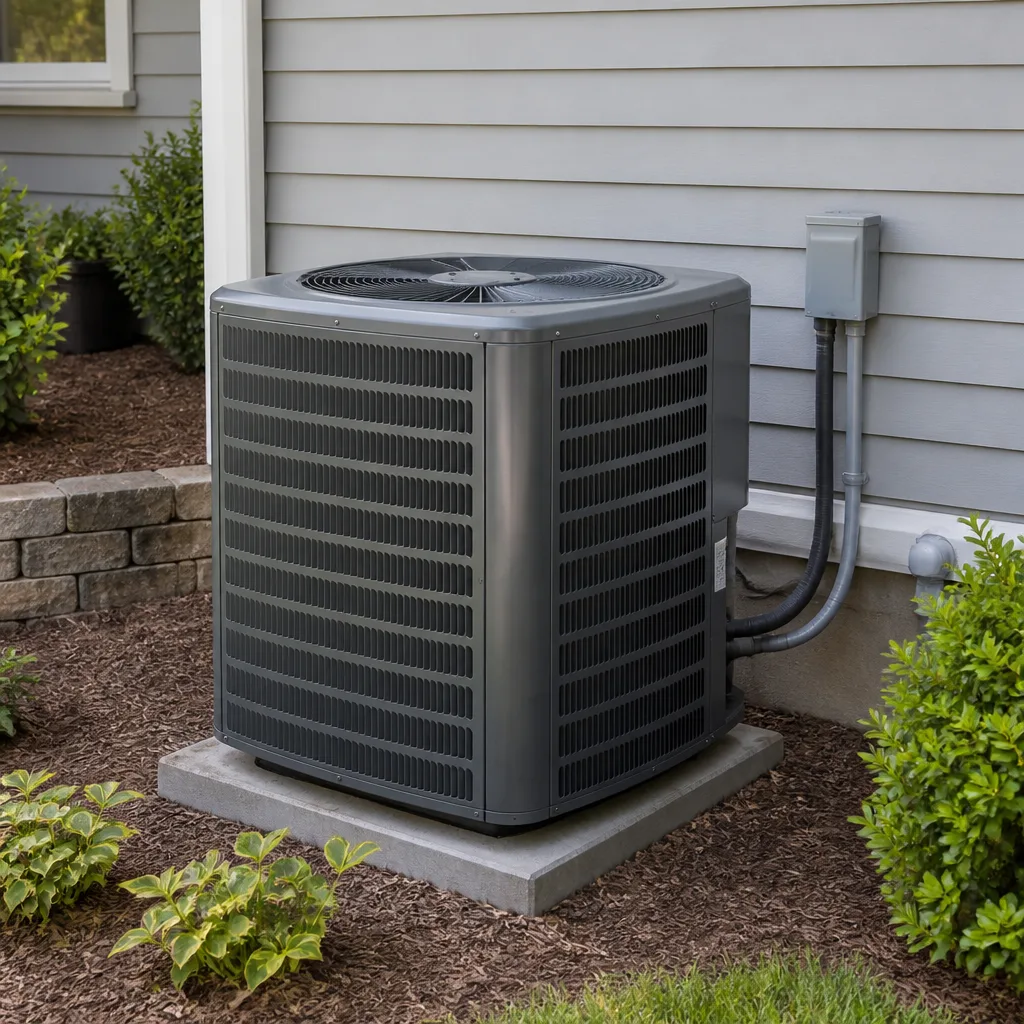 Goodman
Seasonal tune-up and full diagnostic on your Carrier, Trane, or Goodman system - readings shown to you before any repair is proposed
Diagnosis first, numbers second - you approve the repair price before a single part goes in.
Get your free estimateAC Installation Maintenance Checklist for Riverview Homeowners
Most homeowners here treat their air conditioner like a car with an odometer that resets every January. The unit gets “serviced” once a year, the tech spends twenty minutes, and everyone feels responsible. But a Riverview system doesn’t run like the one the manufacturer had in mind when it printed that annual maintenance interval. Between spring and the last hot week of fall, your AC is doing a full year of work in a fraction of the time, and the things that fail first aren’t the ones on the generic checklist. This guide walks through what to actually check, when to check it, and what to write down so future you can tell a normal change from a real problem.
Quick Answer
A Riverview AC needs maintenance tuned to runtime rather than the calendar: expect to inspect and clean condensate lines and drain pans for hard-water scale every few months, check refrigerant line insulation for attic-heat damage at the same time, and capture documented performance readings at roughly 30, 90, and 365 days after installation so you have a baseline. Standard annual manufacturer intervals alone won’t catch the wear that this climate produces.
Styles & brands we work with
- AC repair
- Furnace & heating
- Heat pumps
- Ductless mini splits
- Carrier
- Trane
- Goodman
Table of Contents
- Why Manufacturer Intervals Don’t Fit Riverview
- Hard Water and Your Condensate System
- Refrigerant Line Insulation Under Attic Heat
- Post-Installation Checkpoints: 30, 90, and 365 Days
- What to Document After Installation
- Seasonal Checklist for Riverview Homeowners
- What You Can Check Yourself vs. What Needs a Technician
- Common Mistakes to Avoid
Why Manufacturer Intervals Don’t Fit Riverview
An air conditioner in Riverview runs roughly 2,400 to 2,800 hours per year. In a northern climate, the same equipment might log 800 to 1,000 hours. That’s the whole story, and it’s the reason a maintenance schedule copied from the owner’s manual falls behind.
Equipment hours are what drive wear. Compressors cycle. Contactors arc. Fan bearings turn. Filters load up. Insulation on refrigerant lines takes on heat. All of that happens on a runtime clock, not a calendar. If your unit runs nearly three times as many hours as the same model up north, the parts inside it have experienced roughly three years of “northern” service by the time you finish your second full summer in Riverview.
The manufacturer’s maintenance table doesn’t know where you live. It’s a generalized schedule written for a huge range of climates and homes, and it errs toward the light side because a manufacturer would rather write an interval that works in a mild climate than one that triggers a recall-adjacent complaint from a hot one. That means you should treat the annual service as a floor, not a ceiling.
What we do instead is convert the manufacturer’s intervals into runtime-weighted ones:
- Manufacturer: “clean or replace filter monthly.” Here, check it every 3 to 4 weeks during heavy cooling months. A loaded filter robs airflow, and low airflow is one of the more reliable ways to shorten a compressor’s life.
- Manufacturer: “annual professional inspection.” Warranty or not, plan on a mid-season inspection on top of the annual one, especially if June through September is doing the work of two seasons.
- Manufacturer: “check condensate drain annually.” In Riverview, look at it every few months. More on why below.
- Manufacturer: “inspect refrigerant line insulation annually.” Do it twice, once after the attic has been hot for two months.
None of this is exotic. It’s the same set of tasks the manual lists, compressed to match the hours your unit actually logs. The point is calibration. A checklist you follow on the wrong schedule is a checklist that misses the failures it was written to catch.
Runtime is also why “it’s only three years old” isn’t reassuring
Age in years is a weak signal on its own. Ask what the unit has done, not how long it’s sat there. A three-year-old system in a Riverview home with a hot attic and a hardworking air handler has more in common with a six- or seven-year-old northern unit than its purchase date suggests. That matters when a repair-or-replace decision comes up: the equipment hours are what you weigh, not just the calendar.
Hard Water and Your Condensate System
Your AC’s condensate system is the part homeowners ignore until it fails, and when it fails you get water where water doesn’t belong. In Riverview, the water that drains from your system is fed by humidity pulled from the air, and it carries dissolved minerals along with it. Where that water sits, minerals stay behind.
You can see the evidence in the drain pan. Over time, a white or chalky crust builds up on the pan surface and inside the drain line. That crust is scale. It narrows the drain, slows it, then one day blocks it. Water backs up into the pan, the float switch shuts the unit off (if you have one and it’s working), or you find a ceiling stain. The water supply mineral profile in this area is the reason we treat drain maintenance as a recurring seasonal task rather than an annual one.
What a thorough check of the condensate side involves:
- Look inside the indoor drain pan. Wipe a finger across the surface. A residue that feels rough or looks chalky means scale is present.
- Inspect the drain line exit at the pan fitting and where it terminates outside. If there’s a visible crust at either end, it’s building up in the middle.
- Verify the float switch actually trips the unit when the pan is wet. Some switches seize and never shut the system off.
- Confirm the drain line has correct slope. A line that runs uphill anywhere is going to pool water, and pooling water deposits scale faster.
- Flush the line according to your technician’s direction if scale is present. Don’t jam a wire through it because you’ll crack older PVC.
For a home in Riverview on well water, treat this as a bigger priority than you would on a system fed by a treated supply. That’s a general observation, not a rule; a water test tells you what your specific supply is doing and it’s easy to get one from your utility or a lab. If you’d like an experienced technician to look at your condensate setup, that’s exactly the kind of work the team at AC Repair Riverview does. The point is to catch scale before it catches the drain, and a seasonal budget for pan and line inspection is worth it.
The drain pan isn’t optional insurance
Every system should have a secondary drain pan under the indoor coil when the unit sits in an attic or above living space. If yours doesn’t, or the pan is cracked, that’s a bigger problem than a slow drain. Fix the pan before you worry about cleaning the line. A pinhole leak under a Riverview attic in August is not something you want to find out about from a stains on the ceiling drywall.
If your system is iced over or leaking water, stop running it and call us. Call (888) 465-9784 to book a visit. We answer 24/7. Fast dispatch from 7am to 7pm, Sunday through Friday. Closed Saturday.
Refrigerant Line Insulation Under Attic Heat
The refrigerant lines running through your attic are wrapped in foam insulation. That foam matters. Its job is to prevent the cold return line from absorbing heat before it reaches the coil, and to keep the hot liquid line from shedding what little efficiency it has. When the foam degrades, the system doesn’t stop working, it just works harder and less efficiently, and the symptoms creep up slowly.
In a Riverview attic, the air around those lines can be 140°F or hotter on a summer afternoon. Rigid foam insulation has an upper temperature range, and when it spends hours a day at the top of that range, it starts to fail. The failure patterns we see most:
- Brittle, cracked, or flaking surface coating, sometimes just dust falling from the foam
- Sun-faded sections where UV reached the foam, usually near the ridge or at any soffit vent the sun comes through
- Foam that has pulled away from the line at fittings and elbows, leaving exposed copper
- Saturation from condensate that forms inside damaged sections (the foam turns into a second problem)
- Compressed insulation at tight turns or where someone stepped on it
You can check for the obvious signs yourself with a flashlight. Look at the lines where they run across the attic, especially in the hottest part of the space. If the foam looks OK from where you’re standing, that’s not a full answer, but it’s a useful early warning. What you should not do is touch the bare copper or remove foam from a line to inspect it further. Refrigerant lines carry cold and hot refrigerant at pressure, and bare or exposed lines are a technician’s job.
A trained eye catches what a flashlight doesn’t. Our technicians have up to 10 years of experience with line-set and attic conditions, and checking refrigerant line insulation is one of the items that gets done on a mid-season inspection. Whether you have a Rheem or a Daikin system, the insulation check is essentially the same. If you think the insulation is failing, don’t wait for a slow efficiency slide to become a compressor problem. If you suspect a leak or hear the refrigerant hissing, call (888) 465-9784.
Post-Installation Checkpoints: 30, 90, and 365 Days
New installation isn’t the end of the job. In a Riverview home, the first year of a new system is when you establish the pattern that you’ll compare against for the rest of its life, and most installers don’t walk homeowners through this. They install, verify the charge, hand you the invoice, and leave. The homeowner has no reference points when the unit starts behaving differently six months later.
Here’s what those checkpoints look like:
Day 30: Confirm the install
- Check the filter. If you have a 1-inch filter, replace it at this point. Sizing and airflow settle in during the first month, and a slightly restrictive filter is easier to spot against the new baseline.
- Note the temperature split. Measure the air temperature at a return grille and a supply grille on the same system, in degrees. The exact number depends on conditions, but write down what you get. That number becomes your reference.
- Look at the outdoor unit pad. Make sure it’s level, the line-set insulation is intact, and the disconnect is secure.
- Confirm the condensate pan and float. Verify the pan is dry and the drain is clear, since the first month is when a bad slope or loose fitting usually shows up.
- Look at the indoor drain pan edge and any piping. Small drips reveal themselves within the first 30 days.
Day 90: Confirm the routine
- Filter check. This is the first data point that tells you how fast your filter loads up in this climate. Write down whether you replaced a light, medium, or heavily loaded filter at 90 days.
- Re-measure the temperature split and compare it to Day 30. A shift of more than a couple degrees deserves attention.
- Look at the condensate pan for scale. It should be very light to none. If you see a crust at 90 days, you have a scale problem to track closely.
- Listen to the system at startup. Any new rattle, hum, or click is worth noting for the technician.
Day 365: Confirm the year
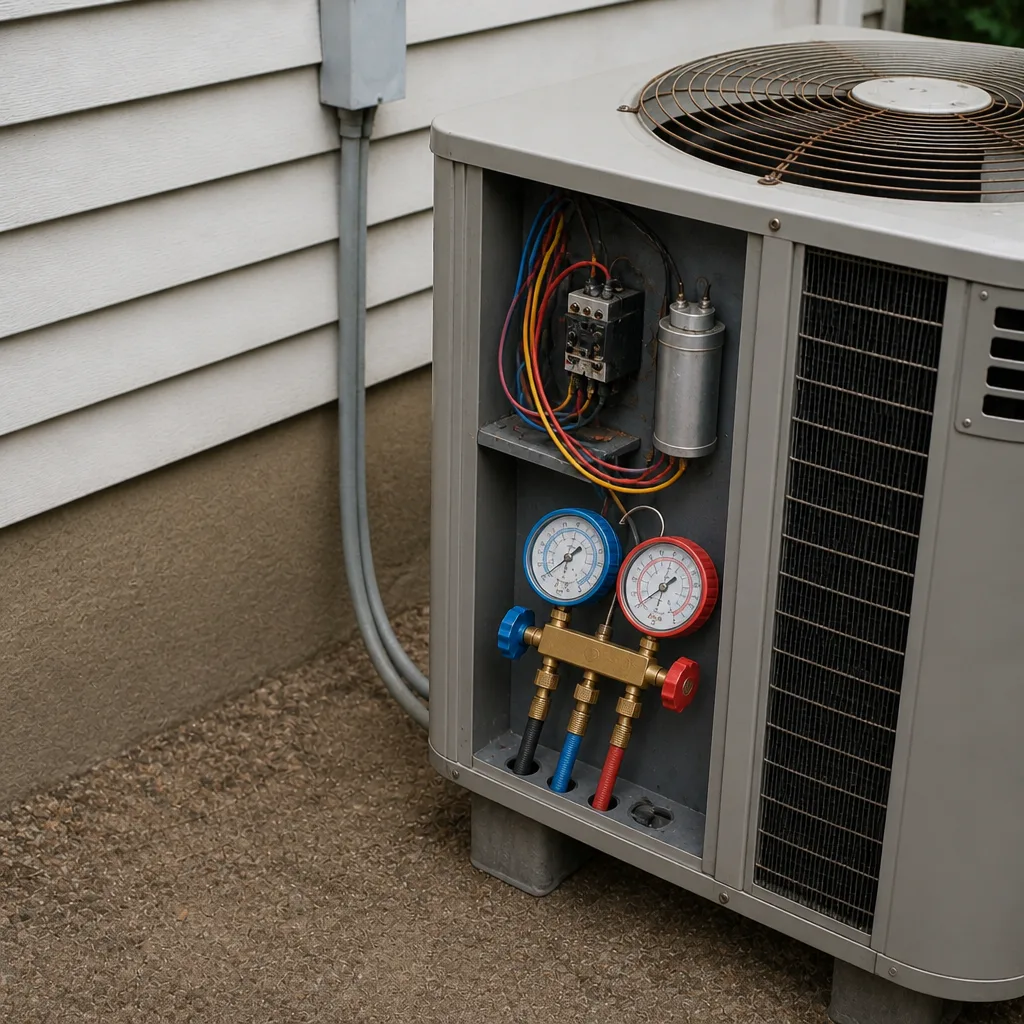
- Full professional inspection. This is the annual check the manufacturer’s manual calls for, and it’s your chance to have a technician verify the numbers against the readings you’ve captured.
- Compare all four temperature-split readings. This is where the connection between a clean baseline and future decisions gets made. Any drift that shows up here is small, and small is what you want.
- Review whatever filter-loading pattern you’ve documented to choose the schedule for year two.
None of these checkpoints replace a licensed technician’s work. They exist so you know what “normal” is for your system. If you’d like a technician to do the first-year checkpoints, the team handles AC installation follow-ups and can tune the schedule to your home.
What to Document After Installation
The single most useful thing you can do after a new installation is build a written record of the system’s baseline. Most homeowners never do this, and the result is a decade of guessing whenever something feels off. There’s no comparison point, so a slow drift looks normal until it becomes a failure.
Here’s the data worth capturing, with a note on what each piece tells you:
| What to record | Why it matters |
|---|---|
| Model and serial number of both the indoor and outdoor units | This is what you need for warranty claims and parts ordering. Without it, you’re calling your installer for every future service call. |
| Installation date | Start of the maintenance clock. Drives every future interval. |
| Refrigerant type on the nameplate | Determines how a future technician diagnoses and repairs. R-410A and R-32 systems are handled differently. |
| Temperature split at Day 30, 90, and 365 | Your fastest and cheapest indicator that the system has changed. A stable split is the healthiest signal you can get. |
| Filter change dates and filter type | Tells you the real filter interval for your home, so you stop guessing. |
| Condensate pan condition at each check | A record of scale buildup tells you when a professional flush is warranted. |
| Any technician recommendations noted in writing | So the next technician sees the history. Verbal-only history evaporates. |
Put it in a note on your phone or a folder near the unit. The record isn’t glamorous, but it’s the difference between a repair you catch early and a replacement you didn’t see coming.
For systems already several years old, this is still worth doing. Start now, note what you can see today, and go forward from there. If you’re in a Riverview neighborhood like Boyette Springs or Panther Trace and want a technician to establish a proper baseline, our team can help. Call (888) 465-9784 to set it up. If you’re looking at a system with a history of problems, our furnace repair and heating services are handled by the same team, so you get one record for your whole comfort system.
Seasonal Checklist for Riverview Homeowners
Cooling season in Riverview is long, and the transitions into and out of it are short. Most of the work falls into two windows: the late winter/early spring tune-up before the heavy run, and the early fall inspection before the system is asked to hold through another shoulder season. Here’s the checklist for each window.
Before cooling season (late winter into early spring)
- Replace the filter and write down the load level.
- Clear outdoor unit clearance. Trim vegetation and make sure there’s space at the sides and top.
- Inspect line-set insulation in the attic for cracks, pulled-away sections, and UV fading.
- Confirm the condensate pan and drain are clean and the float switch trips.
- Test the thermostat across its full range, including heat and cool.
- Book the professional tune-up so it happens before the first hot stretch.
- Write down your starting temperature split for the season.
During cooling season
- Check the filter every 3 to 4 weeks. Replace more often than you would elsewhere.
- Look at the pan for scale at the same interval.
- Listen for new sounds at startup once a week.
- Watch for slow drains or wet spots near the indoor unit.
- Verify the thermostat holds setpoint on the hottest afternoons without running continuously.
After cooling season (early fall)
- Full professional inspection.
- Compare the temperature split to the start of the season.
- Re-inspect line-set insulation after the full run of summer attic heat.
- Clean or replace the pan before the heating side runs (the same system often uses the same drain in heat-pump mode).
- Document any changes noted by the technician.
Our technicians have up to 10 years of experience and know this seasonal rhythm. If your system runs on a heat pump, the line-set insulation and drain get tested during heating too, and the heating side matters just as much. That’s why we treat it as one full comfort system rather than two separate pieces of equipment.
What You Can Check Yourself vs. What Needs a Technician
Not everything on this list requires a call. Some checks are safe and simple. Others involve electricity, refrigerant, or rooftop or attic access, and those should be handled by someone trained for it. Here’s the split.
Safe for a homeowner to check
- Filter loading and replacement.
- Visible condensate pan and drain condition at the indoor unit.
- Temperature split at the registers with a household thermometer (a pocket probe works fine).
- Clearance around the outdoor unit and visual condition of the pad.
- Thermostat behavior and setpoint hold.
- Recorded noises at startup.
Needs a trained professional
- Anything involving electrical panels, disconnects, or contactors. This is dangerous, full stop. Do not open the electrical box on a condenser.
- Checking the refrigerant charge or inspecting internal components of the lines.
- Removing insulation from a refrigerant line to examine it.
- Repairing or replacing the float switch or drain line in places that require cutting or glueing PVC.
- Attic work in summer temperatures. This is genuinely hazardous heat, not just uncomfortable.
- Any diagnostics on a system with a suspected refrigerant leak.
We’d rather you not attempt the “needs a professional” category than have you hurt yourself. Electrical equipment and refrigerant both carry real risks, and the heat in a Riverview attic on a July afternoon is its own danger. Call a professional for anything you don’t feel confident about.
If a technician is required, our team works across the full spread of major equipment brands so you’re not steered by the logo on the front. Whether you have a York or a Bryant, the approach is the same. We work on your brand, not ours. Call (888) 465-9784 to book a visit. We answer 24/7. Fast dispatch from 7am to 7pm, Sunday through Friday. Closed Saturday.
Common Mistakes to Avoid
- Following the annual-only schedule. Riverview’s runtime hours don’t match the calendar-based intervals the manufacturer printed. A system running nearly three times the annual hours needs more frequent check-ins, not the same one-per-year pattern a northern homeowner can get away with.
- Ignoring the condensate pan. The drain pan and line see hard-water scale from dissolved minerals in the condensate. Checking them once a year in this area is too little. For a home with specific water conditions, treat this as a seasonal task.
- Skipping the line-set insulation inspection. Attic temperatures over 140°F accelerate foam degradation. The failure is quiet until it isn’t. If you’re not looking at the line set each season, the insulation can be failing without any other obvious signal.
- Not capturing a baseline after installation. The most common reason homeowners can’t tell if a system has changed is that they never wrote down what was normal to begin with. Capture the model and serial numbers, refusal type, and the first temperature split. That record is the whole reason a technician can tell a small drift from a real problem.
- Assuming a high runtime is normal. Yes, AC runs a lot here, and a system that runs continuously during the hottest afternoons is doing what it was designed to do. But a system that can’t hold setpoint, or one that’s running full-tilt on a mild day, is telling you something. Pay attention to the pattern over time.
- Trusting verbal service recommendations that were never written down. If a technician recommends something, ask for it in writing. A multi-season record of written recommendations is the only way to make a sound repair-or-replace decision later.
- Stepping into electrical or refrigerant work without training. Checking your breaker is one thing. Opening the condenser cabinet or the disconnect is another. Those are genuinely dangerous and should be left to a professional.
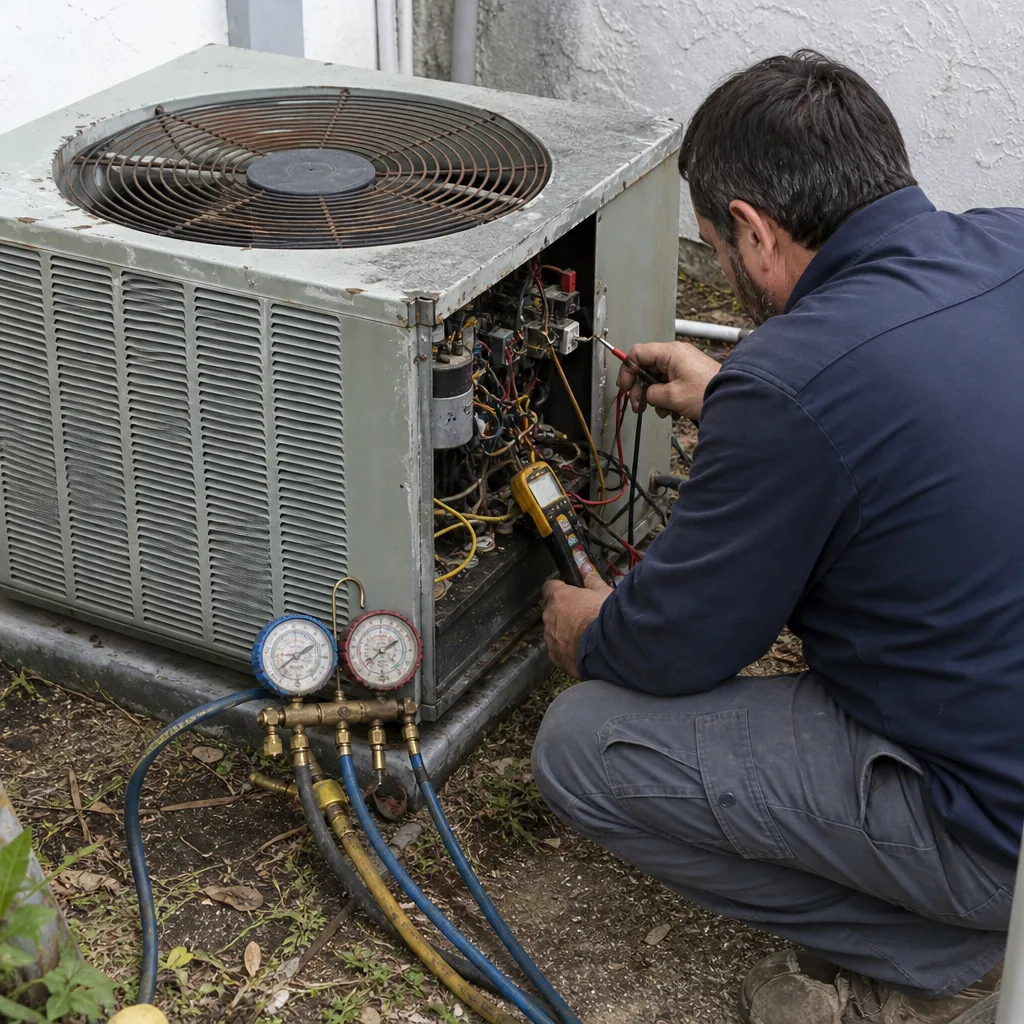
See the difference
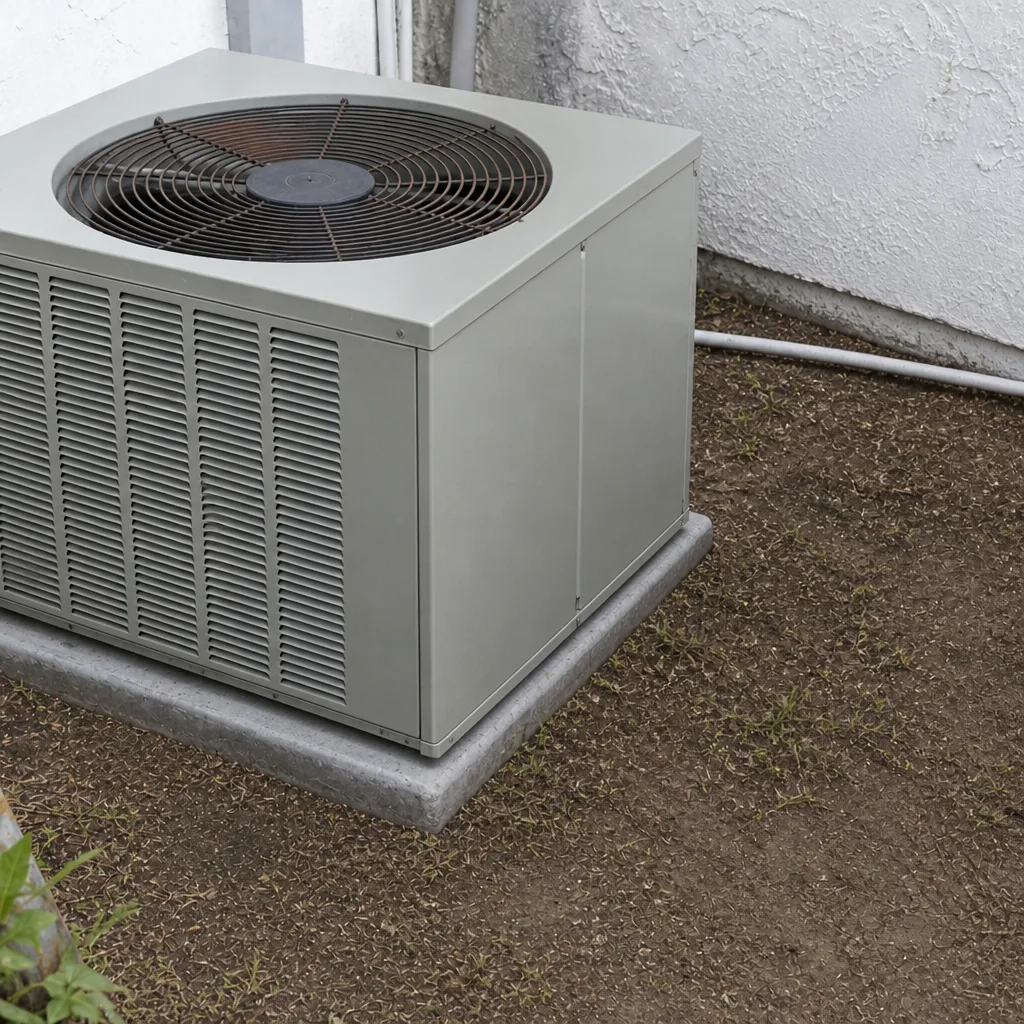
 Before
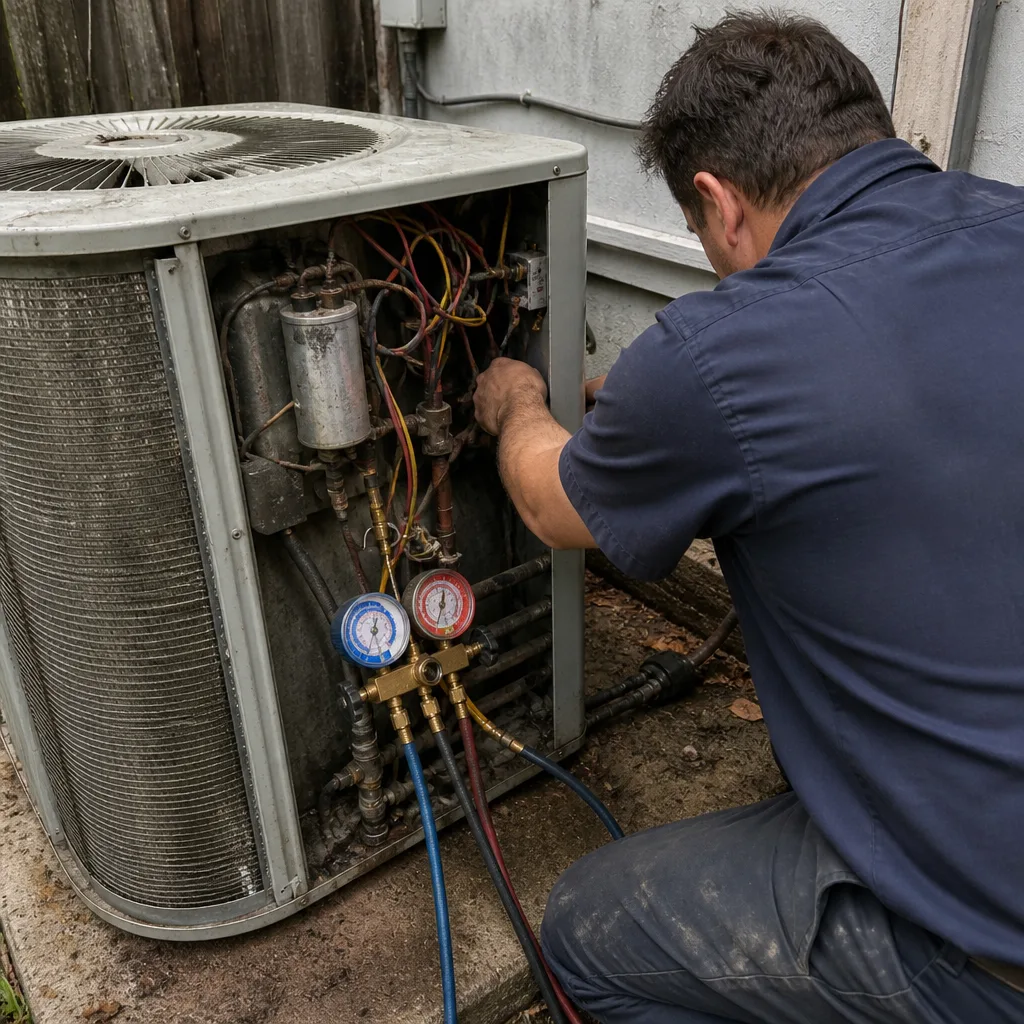
 After
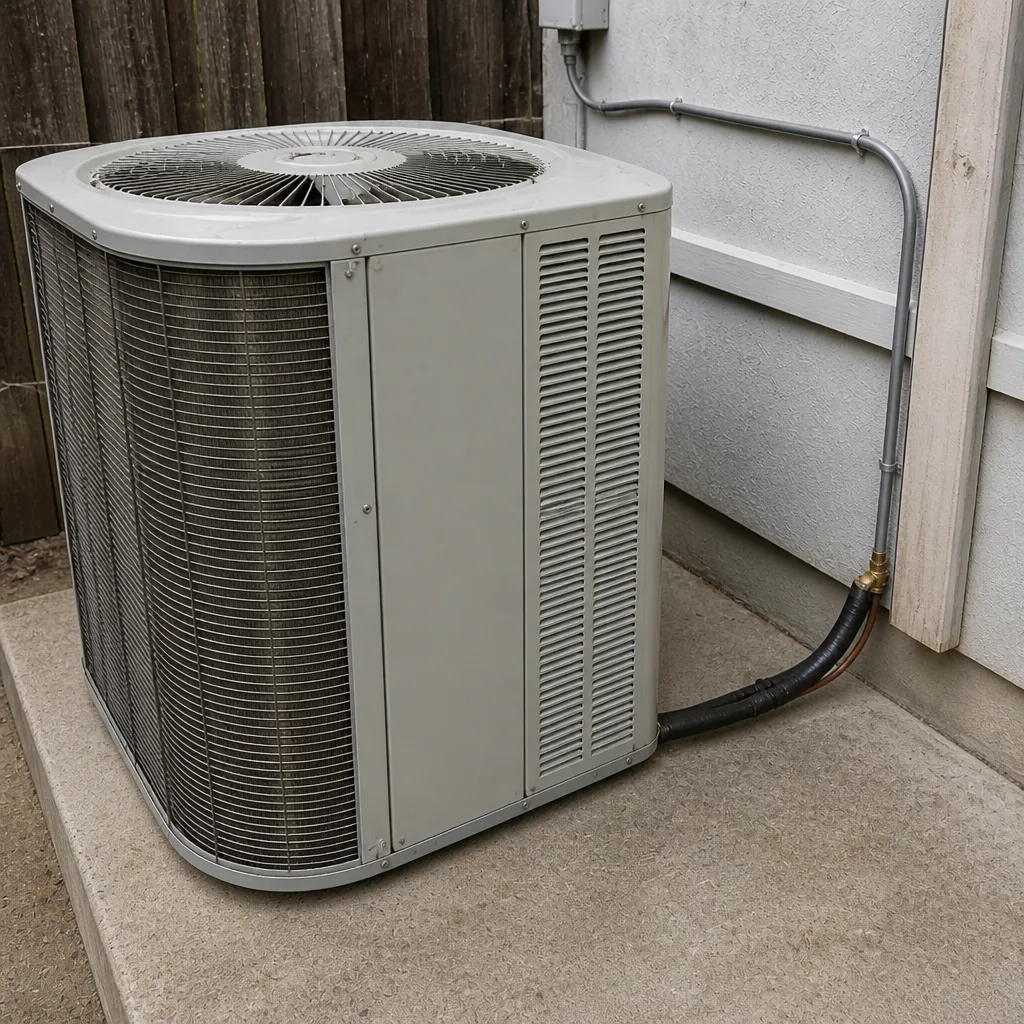
 Before
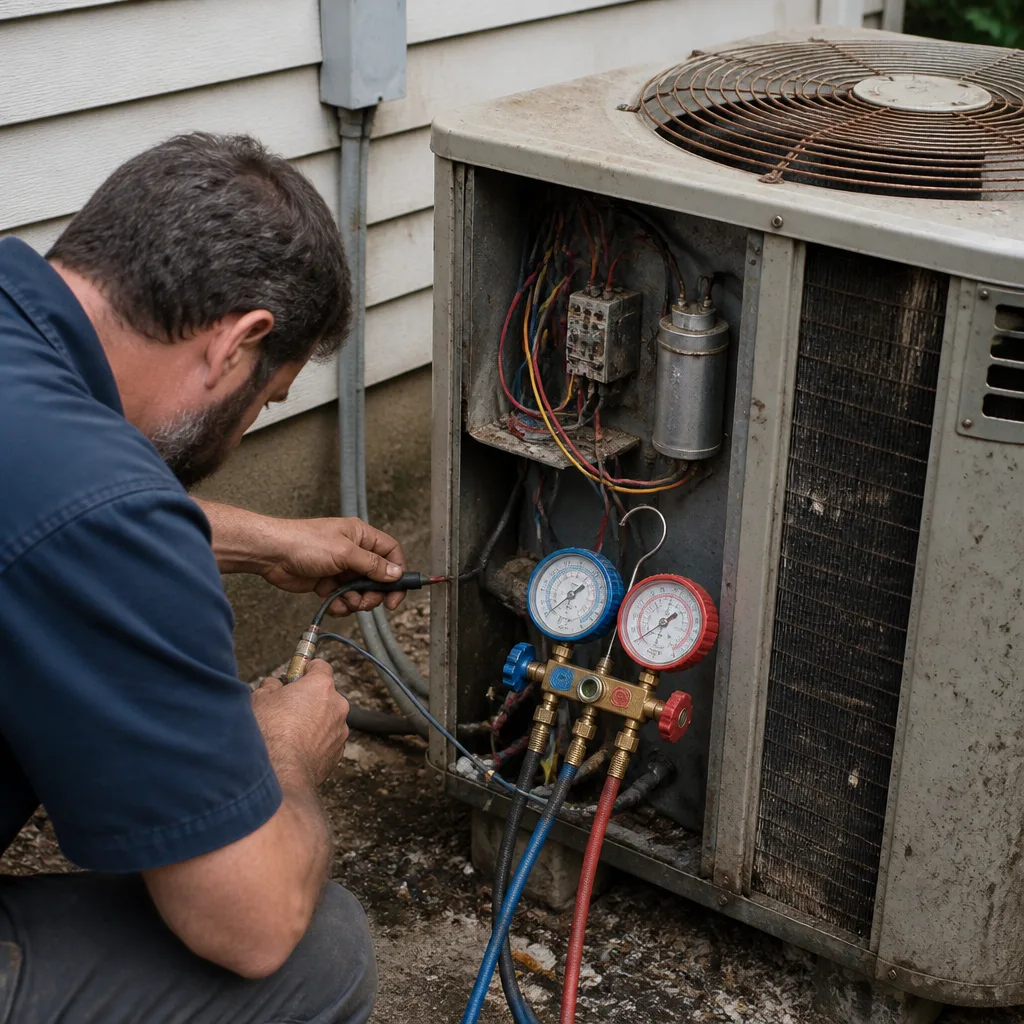
 After
 Before
 After
When to Call a Professional
Call a professional if the outdoor unit runs with no cooling, if the indoor unit trips the breaker repeatedly, if you see ice on the refrigerant line or the indoor coil, or if the drain pan overflows. Call if your system is over 10 years old and has become noisy, if you notice a new smell on startup, or if a system that used to hold setpoint on a mild day now runs continuously. And call if you have any reason to think refrigerant is leaking, since refrigerant isn’t something to diagnose with a flashlight.
AC Repair Riverview offers free estimates in Riverview. Call (888) 465-9784 to schedule. We answer 24/7. Fast dispatch from 7am to 7pm, Sunday through Friday.
Frequently Asked Questions
Plan on at least one professional inspection per year, and preferably a second tune-up in late winter or early spring before the heavy cooling season starts, since a system running roughly 2,400 to 2,800 hours per year goes through more work than the manufacturer’s annual schedule assumes. The homeowner checks (filter, condensate pan, temperature split, line-set visual) should happen every few weeks during cooling season. Call (888) 465-9784 to book an inspection and get a date held.
Hard-water scale from dissolved minerals in the condensate narrows the drain over time and eventually blocks it. The fix is a mix of a professional flush when scale is present, a seasonal visual check, and attention to the drain slope. For homes on well water, this can come up more often than it would on a treated supply. Our team addresses drain and pan issues on every AC service call. Call (888) 465-9784 for a diagnostic visit.
Yes, at the height of summer, a system running through the hottest hours is doing its job. The question is whether it holds setpoint. If it runs continuously on a mild day, or can’t hold setpoint at all, that isn’t normal runtime, and it’s a signal worth a visit. If you want a technician to look, call (888) 465-9784. Estimates are free.
Look for visible cracking, pulled-away foam at elbows and fittings, dust falling from the foam, or sun-faded sections. Do not remove foam from a line to see underneath, and do not touch the bare copper, since those are technician territory. Call (888) 465-9784 to have a technician check the line set. Estimates are free.
Not automatically. Age in years is a weak signal on its own. Equipment hours, repair history, and performance data from the record you built are what should drive the decision. Our team works on your brand, whether that’s a Rheem, a York, or a Daikin, and we’ll tell you which of the two options makes sense without steering you based on vendor preference. Call (888) 465-9784 for a free estimate and a straight answer.
Capture model and serial numbers for both indoor and outdoor units, the installation date, refrigerant type from the nameplate, your Day 30 temperature split as a baseline, filter type and change dates, and any technician recommendations in writing. This record is what makes future maintenance checks useful, and most homeowners never create it. Call (888) 465-9784 if you want a technician to do a proper first checkpoint after installation. Free estimates.
The Bottom Line
Maintenance doesn’t fail here because homeowners skip the checklist. It fails because the checklist was built for a different climate. In a Riverview home running nearly three times the hours of a northern unit, the schedule that matters is the one that tracks runtime. Check the condensate pan and drain for scale often, inspect the line-set insulation after the attic heat has been running for months, and build a written record of your system’s baseline starting on installation day. Follow those three, and the system stops surprising you. That’s the whole goal.
If you’d like a trained technician to walk through this checklist on your system, whether it needs a seasonal check, a repair, or a look at Riverview service, our team is ready. Call (888) 465-9784 for a free estimate. We answer 24/7. Fast dispatch from 7am to 7pm, Sunday through Friday. Closed Saturday.
Written by the team at AC Repair Riverview.