
Last updated November 16, 2026
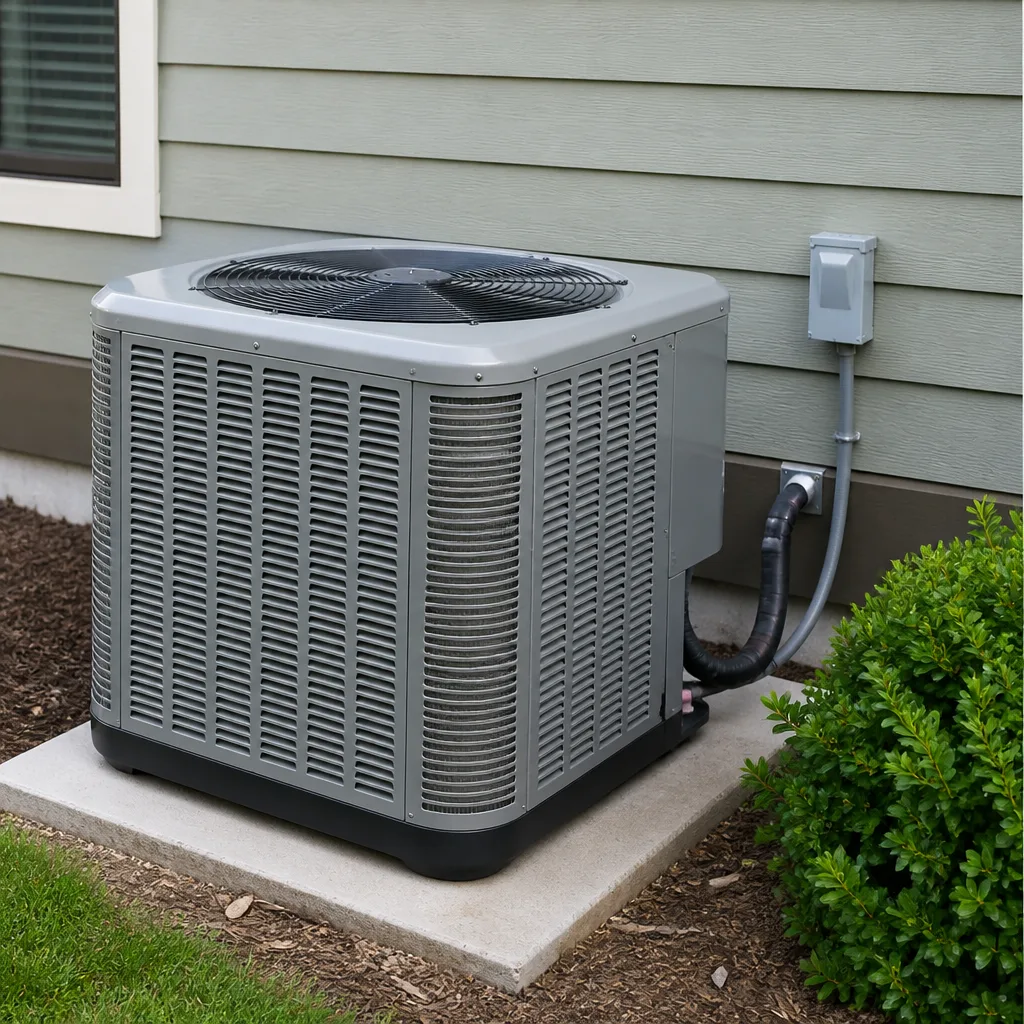 AC repair
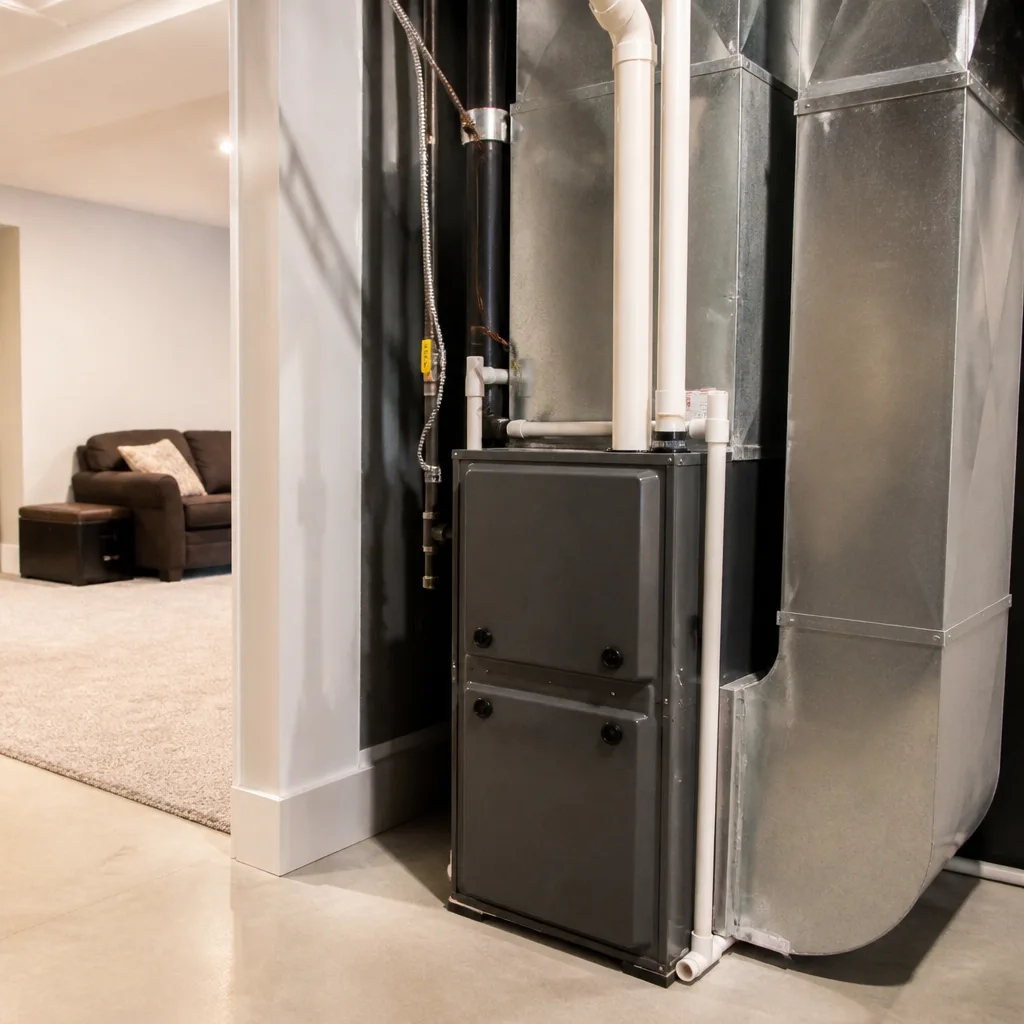 Furnace & heating
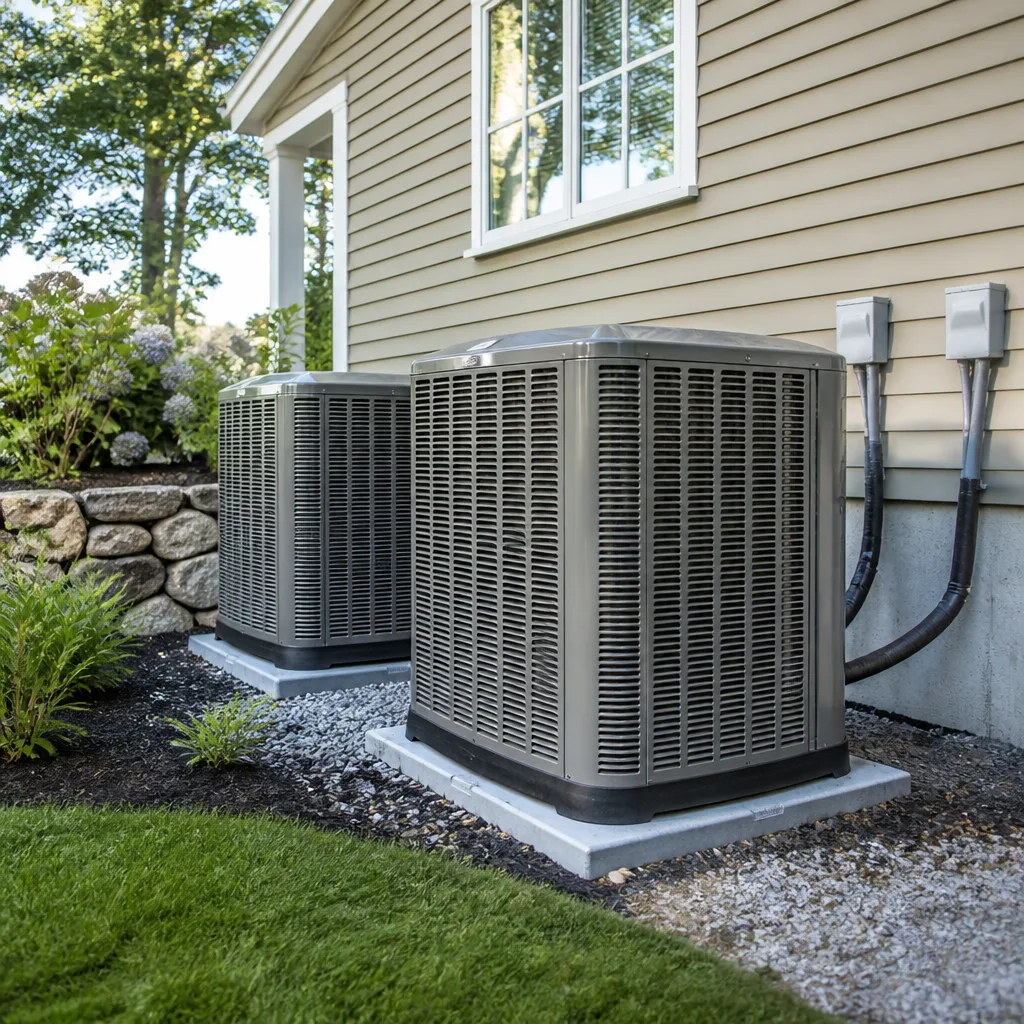 Heat pumps
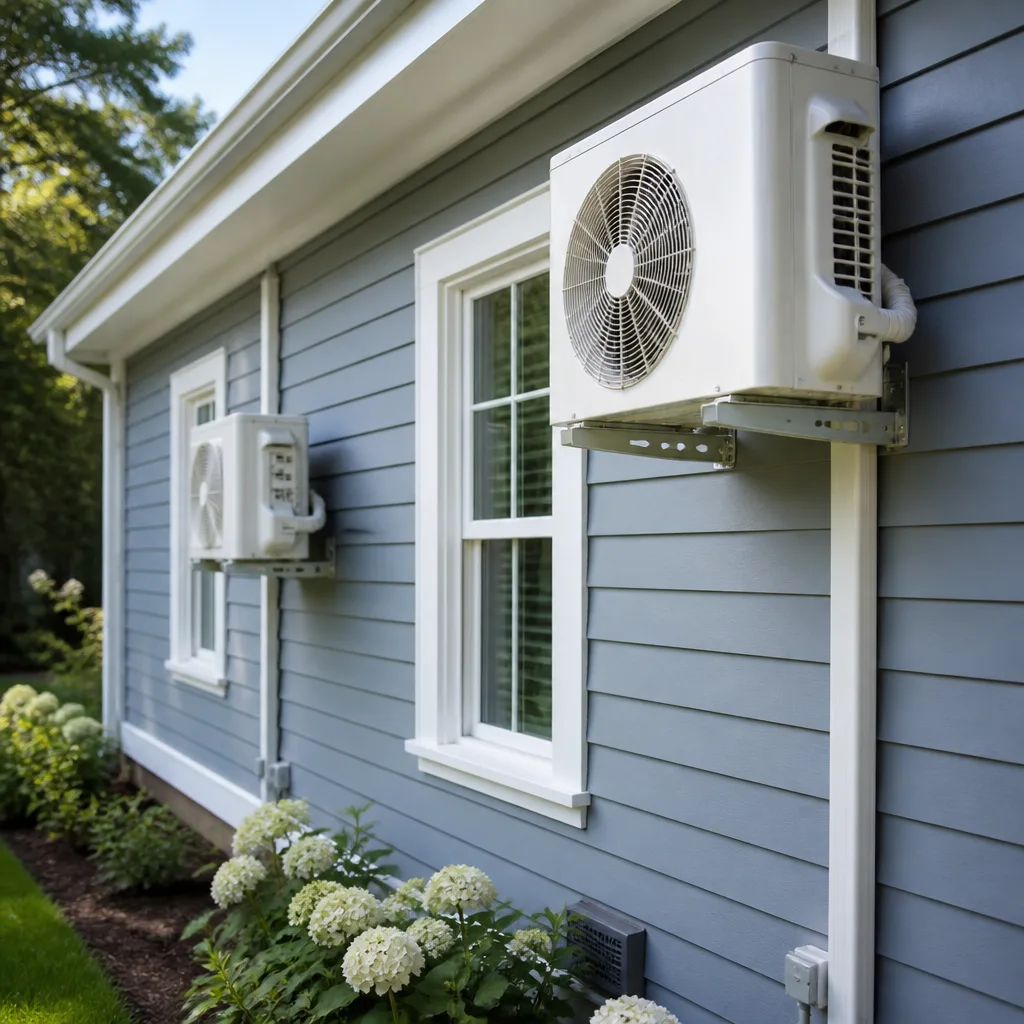 Ductless mini splits
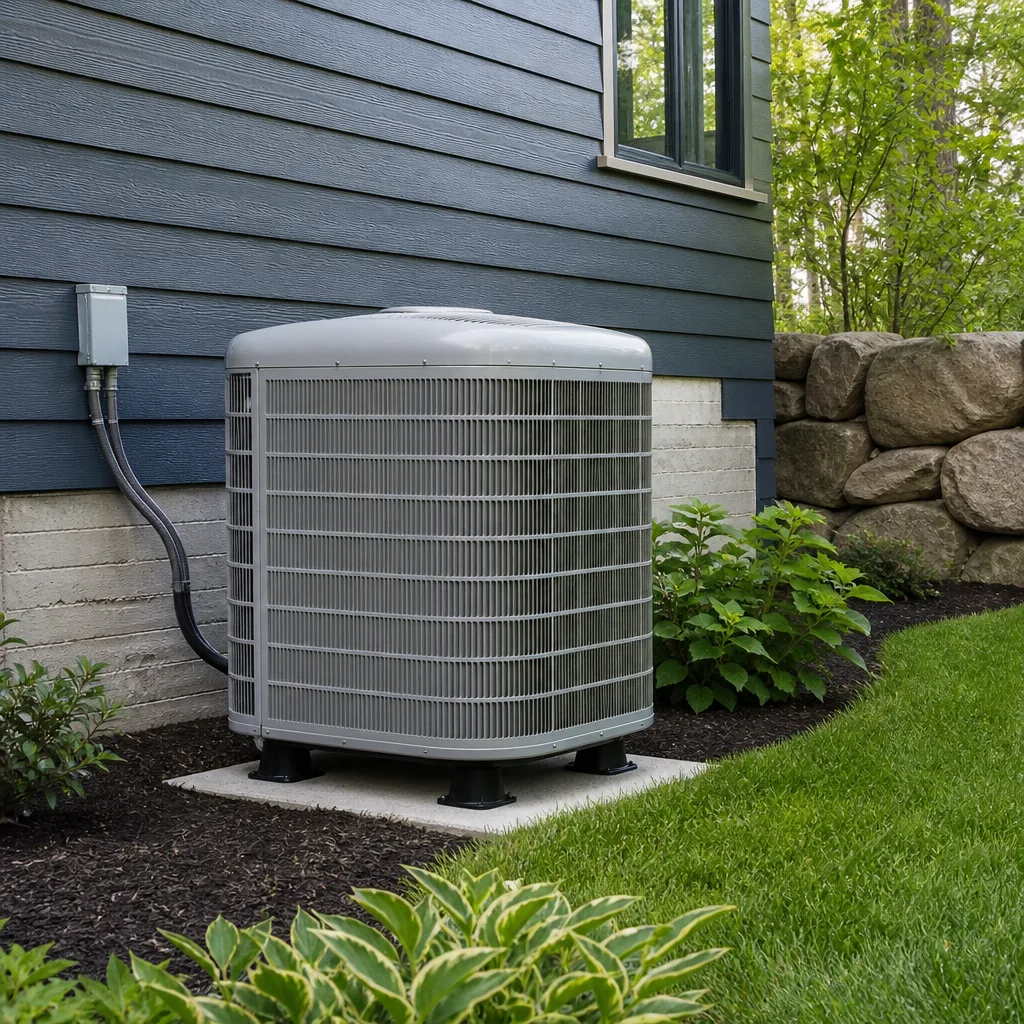 Carrier
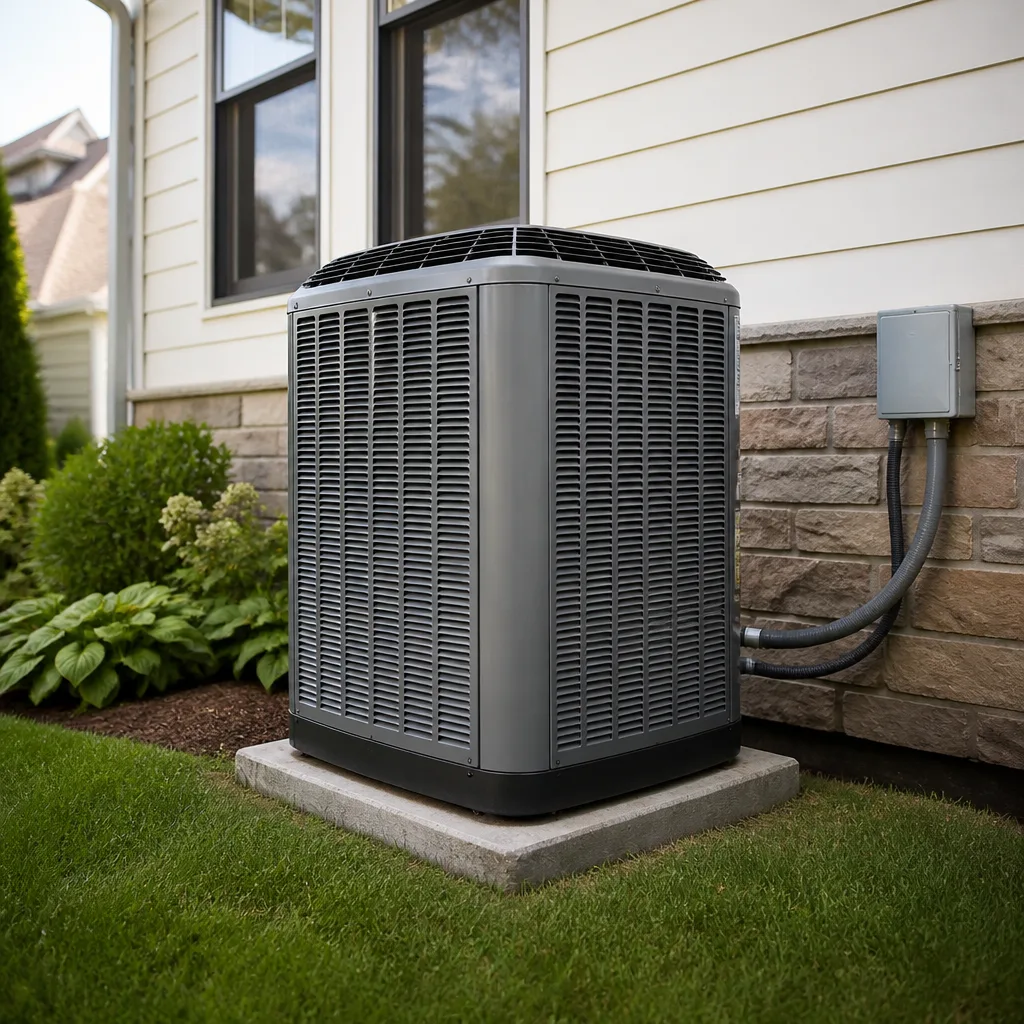 Trane
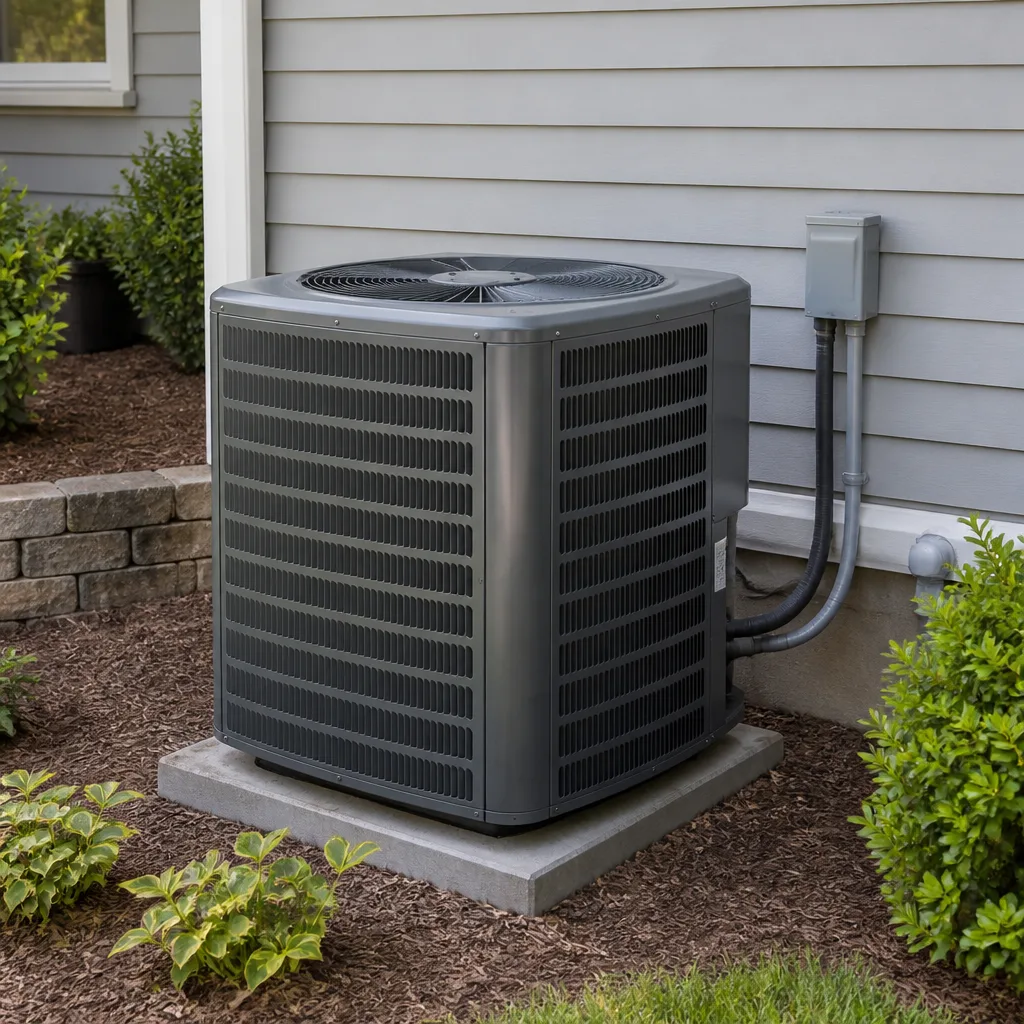 Goodman
Seasonal tune-up and full diagnostic on your Carrier, Trane, or Goodman system - readings shown to you before any repair is proposed
Diagnosis first, numbers second - you approve the repair price before a single part goes in.
Get your free estimateChoosing the Right HVAC Brand: A Buyer’s Guide for Riverview
Every major HVAC brand has a dealer network, and those networks train contractors to lead with their own product line. That’s not a conspiracy – it’s just business. The trouble is that homeowners almost never hear the unsponsored version of a brand comparison, so a fifteen-year equipment decision gets made based on whoever showed up in the driveway first. Riverview sits in one of the most humid cooling climates in the country, and that single fact reshapes which brands hold up, which parts you can actually find nearby, and which warranties are worth the paper they’re printed on. Below, we’ll walk through how to compare brands on the things that matter: parts distribution across the Tampa Bay region, published efficiency data, equipment tiers, and warranty language. By the end, you’ll know how to pick a system on evidence rather than a logo.
Quick Answer
The best HVAC brand for a Riverview home is the one with strong parts distribution in the Tampa Bay region, published performance data that holds up in sustained humidity, and a tier level that matches your home’s actual load – not the brand a single contractor happens to stock. In practice, choosing the right equipment tier within a reputable brand often matters more than the brand name itself. Work with a heating and cooling specialist who quotes several manufacturers, because a contractor who can recommend Carrier, Trane, or Daikin with equal confidence is recommending your situation, not their inventory.
Styles & brands we work with
- AC repair
- Furnace & heating
- Heat pumps
- Ductless mini splits
- Carrier
- Trane
- Goodman
Table of Contents
- Why Dealer Networks Shape What You Hear
- How to Evaluate a Brand’s Parts Network in Tampa Bay
- Performance in Sustained Humidity: Reading the Data, Not the Brochure
- Manufacturer Warranty vs. What’s Actually Serviceable Near You
- Why Equipment Tier Often Beats Brand Choice
- What a Multi-Brand Contractor Tells You
- What Riverview Homes Actually Need
- A Step-by-Step Way to Compare Brands
Why Dealer Networks Shape What You Hear
Manufacturers don’t sell equipment to homeowners directly. They sell through dealer and distributor networks, and those networks invest in training, co-op marketing, and sometimes exclusive territory arrangements. Contractors who carry a single line get support, priority parts channels, and sales training designed to make that product line the obvious answer. None of that is dishonest. It does mean the recommendation you receive is shaped by the relationship behind it, and homeowners rarely get told which parts of the pitch are engineering and which are sales infrastructure.
The practical consequence: when you ask three contractors what brand to buy, you may get three different answers for reasons that have nothing to do with your house. One contractor’s truck is loaded for Carrier, another is set up for Bryant, a third sells mostly American Standard. Each will defend their choice with real technical reasoning, and each will quietly leave out the brands they don’t carry.
Here’s how to cut through it:
- Ask directly how many manufacturers the contractor is authorized to install. A short list is a signal about the recommendation you’ll get.
- Ask what they’d choose for their own home and why – then ask them to compare it against a brand they don’t carry.
- Ask whether they’d service a system they didn’t install. If service depends on installation, the recommendation is commercial, not technical.
Riverview homeowners are often surprised to learn that the brand in their current system was chosen by the previous installer, not by anyone weighing options for the house. That’s the norm across the Tampa Bay area, and it’s the single biggest reason so many homes end up with equipment that wasn’t the best fit.
How to Evaluate a Brand’s Parts Network in Tampa Bay
The part that fails decides whether you’re looking at a repair or a replacement. A system with excellent efficiency ratings but a slow-moving regional parts channel can turn a failed compressor or control board into a two-week wait, and in some cases a recommendation to replace equipment that could have been fixed. Parts distribution is the most underrated factor in brand selection, and it’s almost never mentioned in a showroom.
There’s no single database that scores brands on local parts reach. The information lives with the people who order parts every week. You can still evaluate it before you buy:
- Ask the contractor where the nearest regional distributor for the brand is and how long a common part typically takes to arrive. Compressors, control boards, and blower motors are the ones to ask about specifically.
- Ask which parts on that brand are dealer-only versus available through general supply houses. Dealer-only parts concentrate your future repair options in fewer hands.
- Ask whether the brand has a long-standing presence in the Tampa Bay market or arrived recently. Long-standing channels tend to carry deeper inventory.
- Check the brand’s service documentation. Brands that publish good service literature and parts diagrams tend to support independent technicians better, which widens your future repair options.
- Ask what happens if a part is discontinued mid-life. Ten to fifteen years is the expected service life of residential equipment, and mid-life discontinuation is where homeowners get squeezed.
A discontinued part is what turns a routine repair into a full replacement. On a Riverview system running through a long, humid cooling season, the compressor and the air handler are both doing far more work than the same equipment would do in a milder climate, which raises the odds you’ll need a major part at some point. Before you commit to a brand, find out how easily that part can be found.
Performance in Sustained Humidity: Reading the Data, Not the Brochure
Humidity changes the job an air conditioner has to do. In a dry climate, a system’s job is mostly to drop temperature. In Riverview and across Tampa Bay, the system spends most of its run time removing moisture from air that arrives saturated, and that shifts which design choices matter. Longer run times, careful sizing, and coil design all matter more here than in Arizona. A system that’s oversized for the house will short-cycle, drop the temperature quickly, and leave the indoor air clammy – a common complaint in this region.
Marketing brochures lean on headline efficiency numbers. The useful comparison comes from published AHRI efficiency data and the related ratings that capture how equipment actually performs under standardized conditions. Look for three things:
- Matched system ratings. Efficiency ratings apply to matched combinations of condenser, coil, and air handler, not to a single box. A high-rated outdoor unit paired with a mismatched indoor coil can fall short of the number on the brochure.
- Sensible and latent capacity. Latent capacity is the moisture-removal portion. In a humid climate, a system with strong latent capacity keeps a Riverview home comfortable at a slightly higher thermostat setting, which matters for both comfort and energy use.
- Variable-speed or multi-stage operation. Equipment that can run at lower speeds for longer stretches handles humidity better than single-stage equipment by keeping airflow steady and removing moisture continuously instead of in bursts.
Ask the contractor to show you the AHRI certificate for the exact combination they’re proposing. If they can produce it without blinking, that’s a good sign. If the answer is “the box says high efficiency,” ask again.
Manufacturer Warranty vs. What’s Actually Serviceable Near You
A manufacturer’s warranty is a contract between you and the manufacturer, but what it promises and what you can actually get are two different things. Many manufacturer warranties require that installation be done by a qualified or licensed contractor, and some require registration within a set period. Read those requirements before you sign, not after something breaks.
The bigger issue is labor. The standard residential warranty covers parts, not the labor to install them, and labor is often the larger share of the bill. Some warranties are structured around a relationship: coverage that assumes the installing dealer is still around to handle the claim. That’s worth less than it appears if the installer closes, moves, or drops the brand. The part is still covered, but you’ll be the one calling around to find someone authorized to file the claim.
Questions worth asking before the install:
- Does the warranty cover parts only, or parts and labor?
- Does the manufacturer require registration, and does the contractor handle it?
- Does any portion of the warranty transfer to a new owner if you sell the house?
- If the installing dealer is no longer available, what does the claim process look like for the next technician?
In our experience, homeowners in Riverview read the warranty after the sale far more often than before it, which is the wrong order. The warranty language is one of the strongest reasons to lean toward a brand with a broad service network in the area rather than a niche name with a single local dealer.
Why Equipment Tier Often Beats Brand Choice
Every major brand sells equipment in tiers: an entry level, a mid-range, and a high-end line. The spread between the entry tier and the top tier within one brand is usually much wider, in both cost and performance, than the spread between comparable tiers from two different brands. A top-of-line Carrier and a top-of-line Trane are usually closer to each other than either is to the entry model from the same stable.
That changes the whole comparison. Instead of asking “which brand is best,” ask which tier your home needs, then compare across brands at that tier. A mid-tier system from any of the nine manufacturers we service – Carrier, Trane, Lennox, Goodman, Rheem, York, Daikin, Bryant, and American Standard – will generally outperform a bottom-tier system of any brand in a humid, high-run-time climate.
How to compare across tiers properly:
- Get a load calculation on the house, not a rule-of-thumb guess based on square footage. The correct capacity is the foundation for every other comparison.
- Match tiers across at least two manufacturers before choosing. Ask for the same tier from each, with AHRI certificates for each combination.
- Compare features that matter in a humid climate: number of stages, blower design, coil construction, and humidity control capability.
- Compare long-term service realities: which parts are dealer-only, how quickly replacement parts arrive, and how many technicians in the area are trained on the equipment.
- Compare the installing contractor’s scope and warranty terms as carefully as the equipment.
A well-chosen mid-tier system, sized correctly and installed well, is a common and sensible answer for a Riverview home. The temptation to buy the entry tier because it’s cheaper, or the top tier because it sounds better, is the trap.
What a Multi-Brand Contractor Tells You
When a contractor quotes several manufacturers with equal confidence, it usually means two things: they’ve invested in training across multiple lines, and their recommendation isn’t tied to a single dealer agreement. That’s a meaningful signal in a market where many companies are effectively sales arms for one brand.
It also has a practical upside. A contractor who works across brands can service the system you already own, even if it’s not a brand they install most often. That reduces the pressure to swap out equipment that still has life in it, because repair is a real option rather than a dead end.
We’re a heating and cooling specialist, which means every technician, tool, and part we choose is selected for heating and cooling work. Our technicians have up to 10 years of experience, and we cover the full equipment lifecycle: AC installation, furnace repair, and furnace replacement, with the year-round comfort system treated as one connected thing. We work on your brand, not ours. Whether you have a Trane or a Goodman, the diagnosis starts with the equipment in front of us, not a catalog.
How to read the multi-brand signal during a quote:
- Ask which brands the contractor is authorized to install, and how many.
- Ask what they’d put in their own home and whether they’d put a brand you name into the same conversation.
- Watch how quickly the recommendation arrives. A recommendation that lands before the load calculation has been done is a sales answer, not a technical one.
What Riverview Homes Actually Need
Riverview’s climate is a long, hot, humid cooling season with a mild winter. The heating load is real but modest, and the cooling load runs for most of the year. That balance matters for brand selection, because it means cooling performance, humidity control, and cooling-side reliability carry far more weight than heating efficiency ratings do in cold climates.
Homes in and around Riverview vary widely in age and construction, and a few practical points come up repeatedly:
- Cooling systems here typically run more hours per year than equivalent equipment in a milder climate, so component wear on compressors, blower motors, and capacitors shows up earlier.
- Humidity control is not a luxury in this region; it’s the difference between comfortable and clammy. Multi-stage or variable-speed equipment pays off.
- Older homes with ductwork designed for an earlier era may need a load calculation before any brand comparison makes sense.
- Equipment sizing matters more than brand, because an oversized system in a humid climate can short-cycle and leave indoor moisture problems.
When we’re looking at a system in a Riverview home, we look at the equipment as a whole: outdoor unit, indoor coil, air handler, and how they’re matched. Brand comparison starts after that.
A Step-by-Step Way to Compare Brands
If you want a repeatable process for comparing brands in Riverview, this is the order that produces good decisions:
- Get a room-by-room load calculation. Not a square-footage estimate. This determines the capacity you need before any brand comparison begins.
- Set the tier you’ll shop in. Entry, mid, or high-end. Decide this before you look at brands, not after.
- Ask about parts distribution for each brand in the Tampa Bay area. Compressors, control boards, and blower motors first.
- Request AHRI certificates for each proposed matched combination, and compare sensible and latent capacity.
- Read the warranty language on parts, labor, registration requirements, and transferability.
- Confirm the contractor is authorized to install and service several brands, and ask whether they’d service a system they didn’t install.
- Compare the written estimates side by side. The written estimate sets the final price, and every proposal should be specific about equipment, labor, and warranty.
If you’re already sitting on a system that’s giving you trouble, the decision may be about AC Repair Riverview before it’s about brand at all. We’re happy to tell you which option actually makes sense – repair or replace – and we’ll say so plainly.
Common Mistakes to Avoid
- Buying from whoever shows up first. The first contractor in the door is often the one whose dealer agreement pays best, not the one whose equipment fits your home. Get at least two proposals on comparable tiers.
- Comparing brands at different tiers. A high-end model from one brand and an entry-level model from another aren’t the same comparison. Compare like with like.
- Skipping the load calculation. In a humid Riverview climate, an oversized system short-cycles, removes less moisture, and wears faster. Every brand comparison is downstream of the load calculation.
- Reading the warranty after the install. Labor coverage, registration deadlines, and transferability are decided before installation, not after a failure.
- Ignoring parts availability. A discontinued part turns a routine repair into a replacement. Ask how quickly common parts arrive in this region before you buy.
- Assuming higher price means better brand. What you’re often comparing is the tier within a brand, not the brand’s overall quality. Price and quality aren’t the same axis.
- Choosing a contractor who only quotes one manufacturer. If the recommendation is always the same brand regardless of the house, you’re hearing a sales pitch dressed as advice.
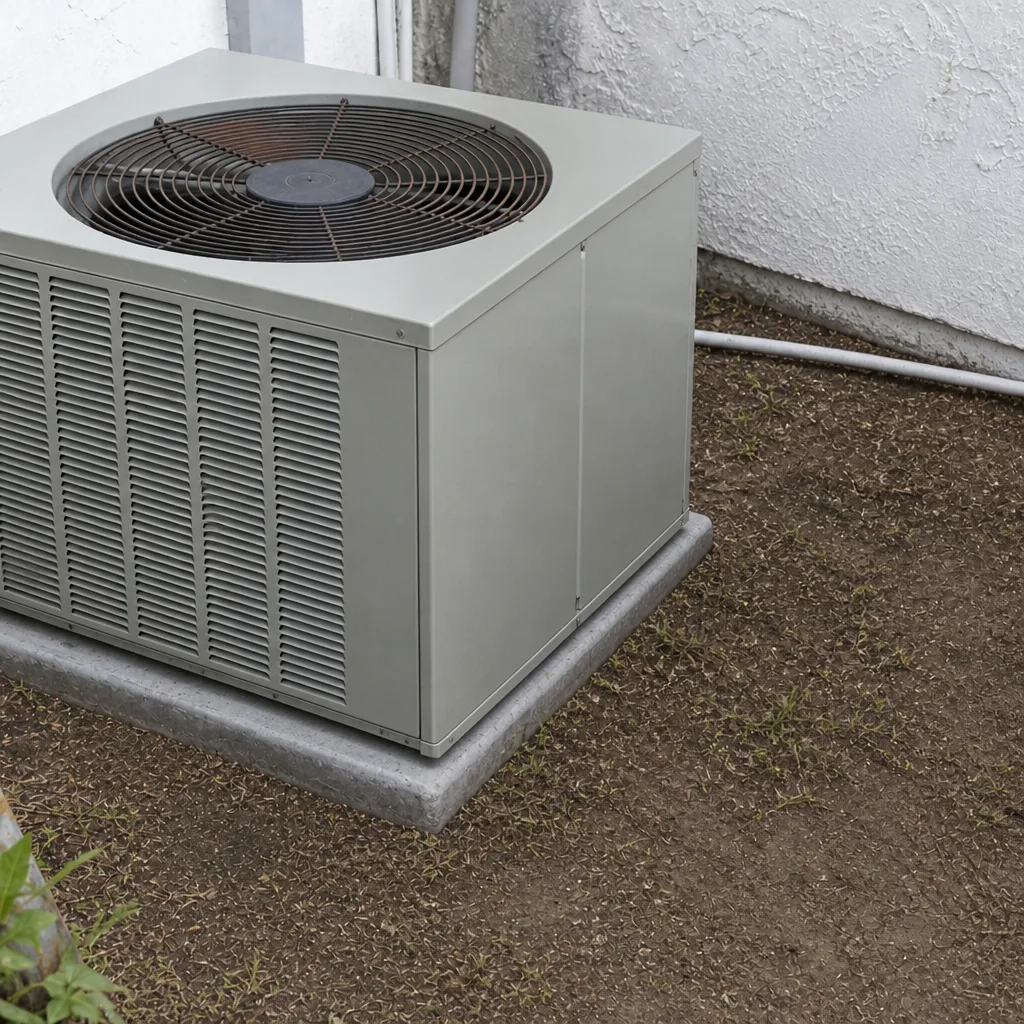
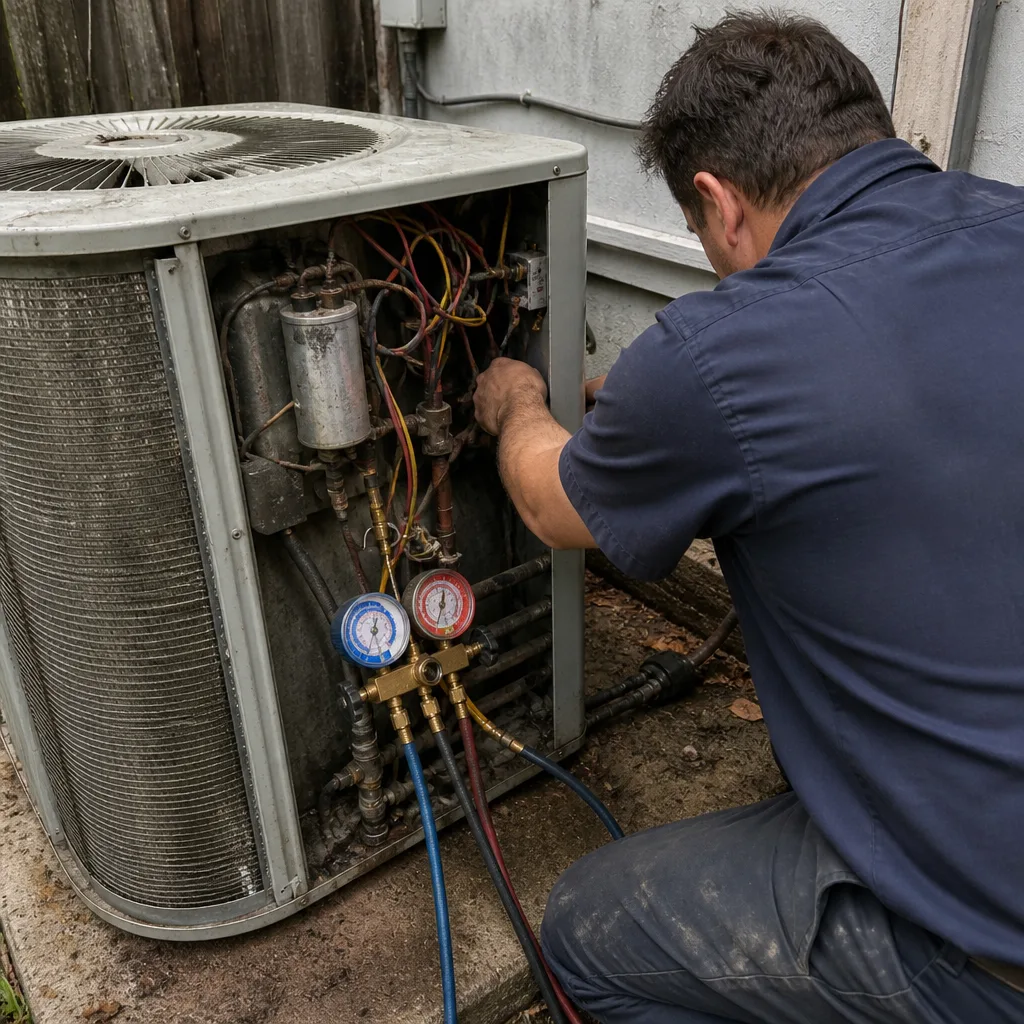
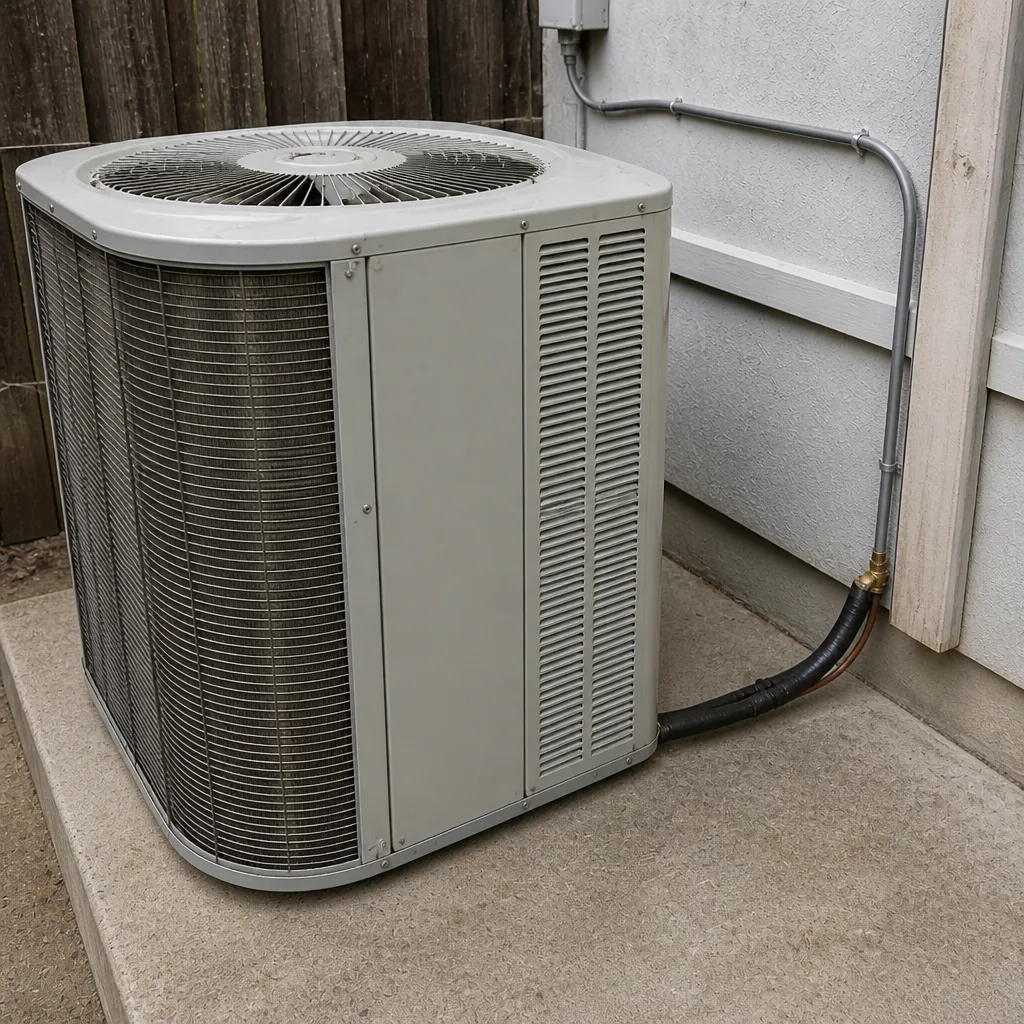
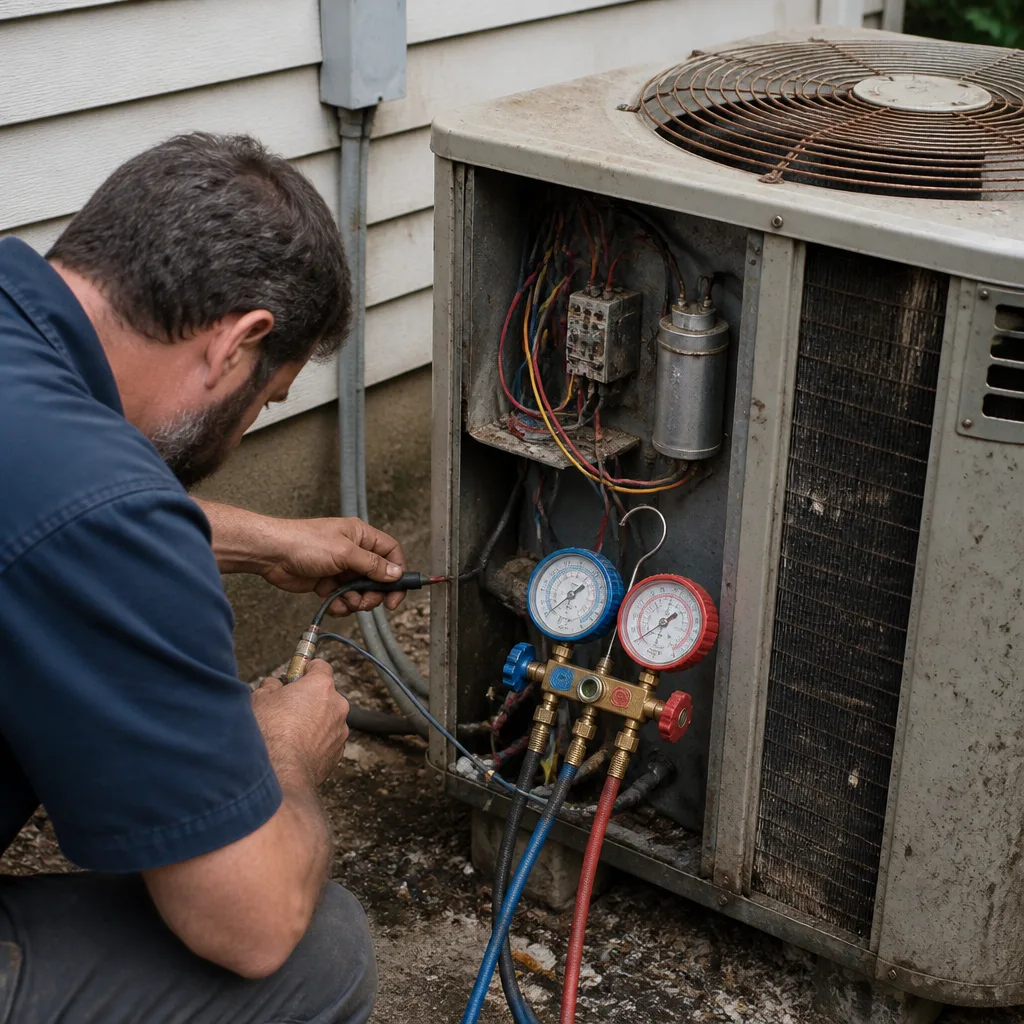
See the difference
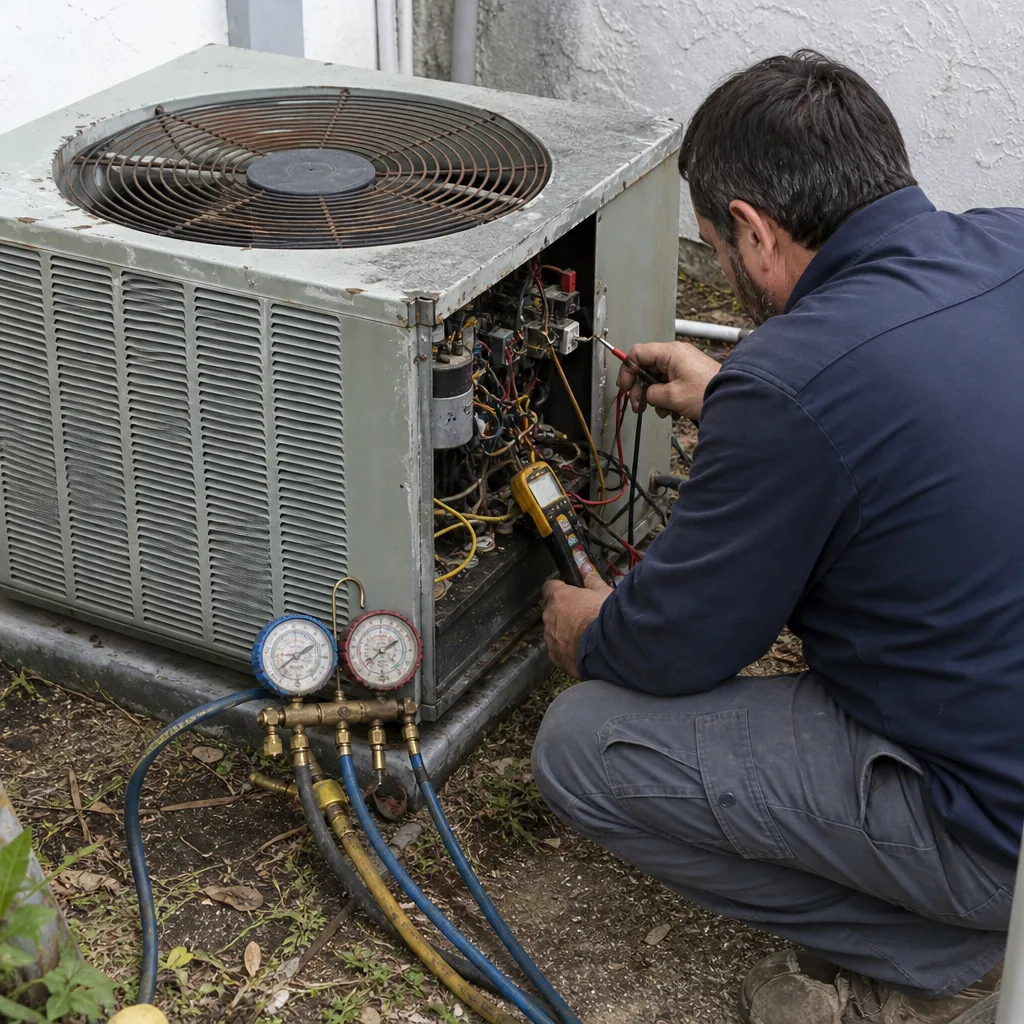 Before
 After
 Before
 After
 Before
 After
When to Call a Professional
Some HVAC decisions are safe to think through on your own: comparing warranty language, reading AHRI certificates, asking questions about tiers. Others aren’t. Call a professional if your system has stopped cooling in a Riverview summer, if it’s repeatedly tripping a breaker or short-cycling, if the compressor or control board has failed, or if you’re facing a repair-versus-replace decision where the numbers are close. Call if you’re comparing installation quotes and want a second, unsponsored read on the equipment being proposed. We can also work with your insurer if a claim is involved. AC Repair Riverview offers free estimates in Riverview – call (888) 465-9784. We answer 24/7, with fast dispatch from 7am to 7pm, Sunday through Friday.
Frequently Asked Questions
There’s no single best brand for a Riverview home, because the right choice depends on parts availability in the Tampa Bay area, the equipment tier, and the load calculation for the house. In practice, a mid-tier system from any of the major manufacturers, sized and installed well, will outperform a bottom-tier system from another brand in this climate. Call (888) 465-9784 for a free estimate and a straight answer on your options.
Equipment tier usually matters more than brand choice. The spread between entry and high-end within one manufacturer is typically wider than the spread between comparable tiers from two different brands. Compare like tiers across brands, not a high-end model against an entry-level one. Call (888) 465-9784 to walk through tiers for your home.
We’re authorized to service and install equipment from nine major residential HVAC manufacturers: Carrier, Trane, Lennox, Goodman, Rheem, York, Daikin, Bryant, and American Standard. That means when you call for service, the conversation starts with your equipment rather than a catalog. Call (888) 465-9784 – estimates are free.
Ask the contractor where the nearest regional distributor is and how quickly common parts arrive. Compressors, control boards, and blower motors are the ones to ask about specifically. Also ask which parts are dealer-only versus available through general supply houses. Call (888) 465-9784 if you want us to walk through that for a brand you’re considering.
No. Most manufacturer warranties cover parts, not the labor to install them, and some require registration within a set period. Coverage that assumes the installing dealer is still available is worth less than it appears if that dealer closes or drops the brand. Read the warranty language before you sign. Call (888) 465-9784 for help reading one.
Repair usually makes sense when the failure is in a part that’s available and the equipment still has substantial life left. Replacement starts to make sense when a major component has failed on aging equipment, when parts are discontinued, or when the total repair cost is a large fraction of a replacement. We’ll tell you which one actually makes sense. Call (888) 465-9784 – estimates are free.
The Bottom Line
Choosing the right HVAC brand for a Riverview home comes down to four things: parts distribution in the Tampa Bay area, published performance data that holds up in sustained humidity, warranty language you’ve actually read, and the right equipment tier for your house. Brand choice is on that list, but it’s rarely the deciding factor. A qualified Riverview heating and cooling specialist who quotes multiple manufacturers will steer you to the right tier for your situation instead of a logo. Get a load calculation, compare tiers across brands, and ask the parts questions before you sign. Call (888) 465-9784 for a free estimate. We answer 24/7, with fast dispatch from 7am to 7pm, Sunday through Friday.
Written by the team at AC Repair Riverview.