
Last updated November 16, 2026
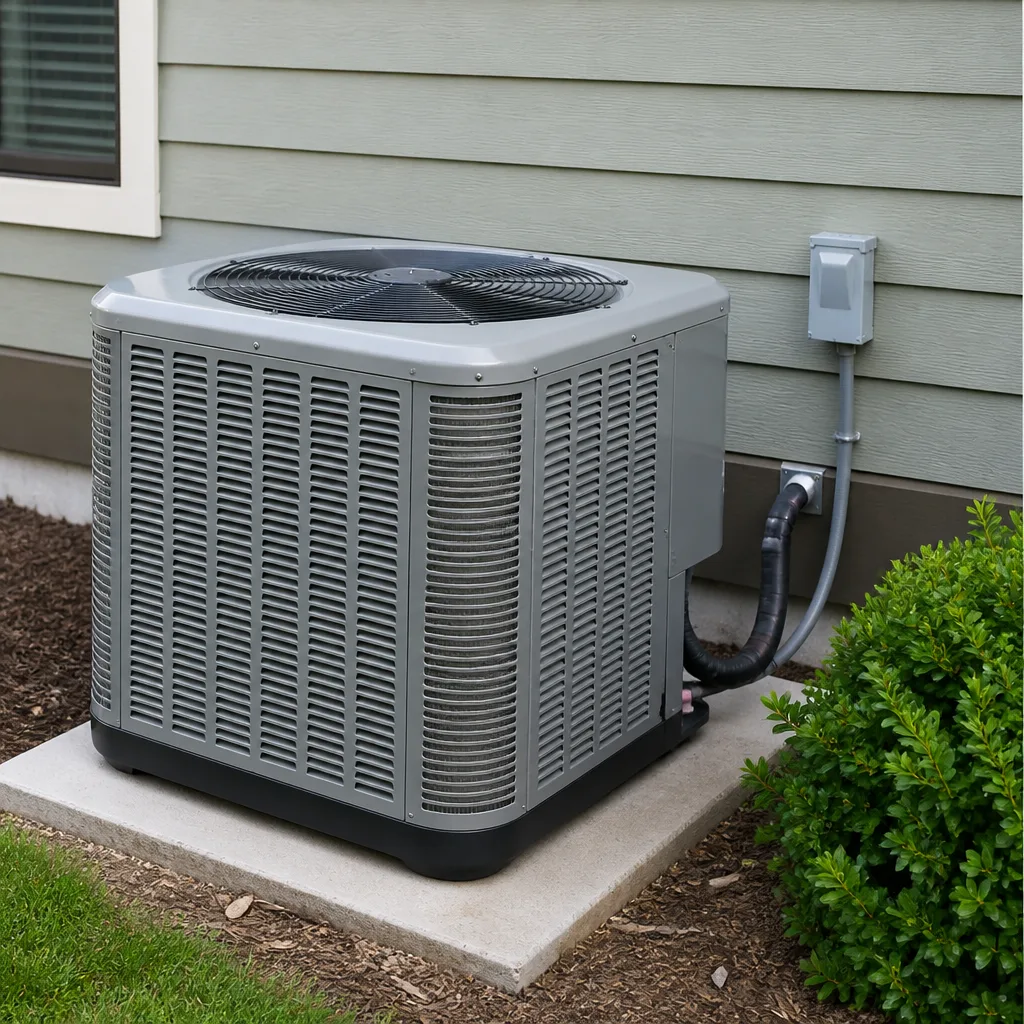 AC repair
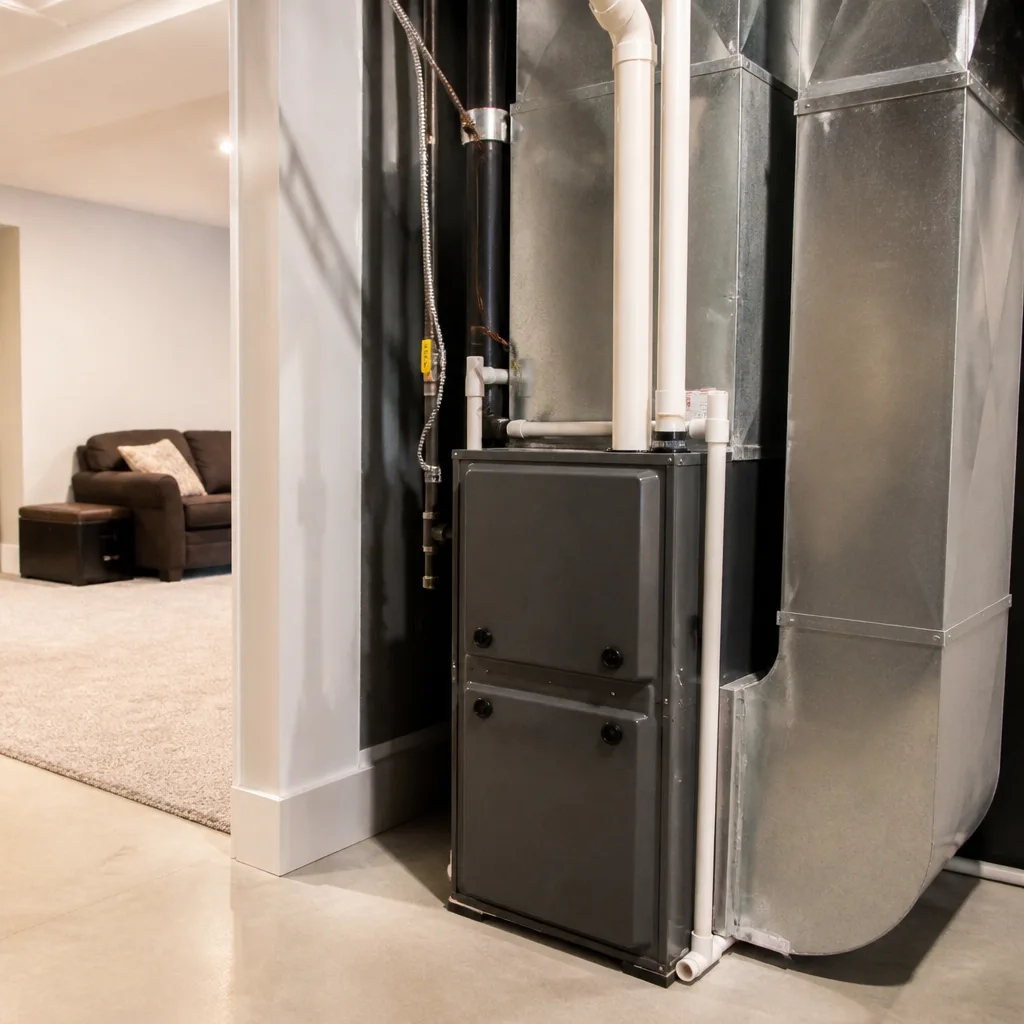 Furnace & heating
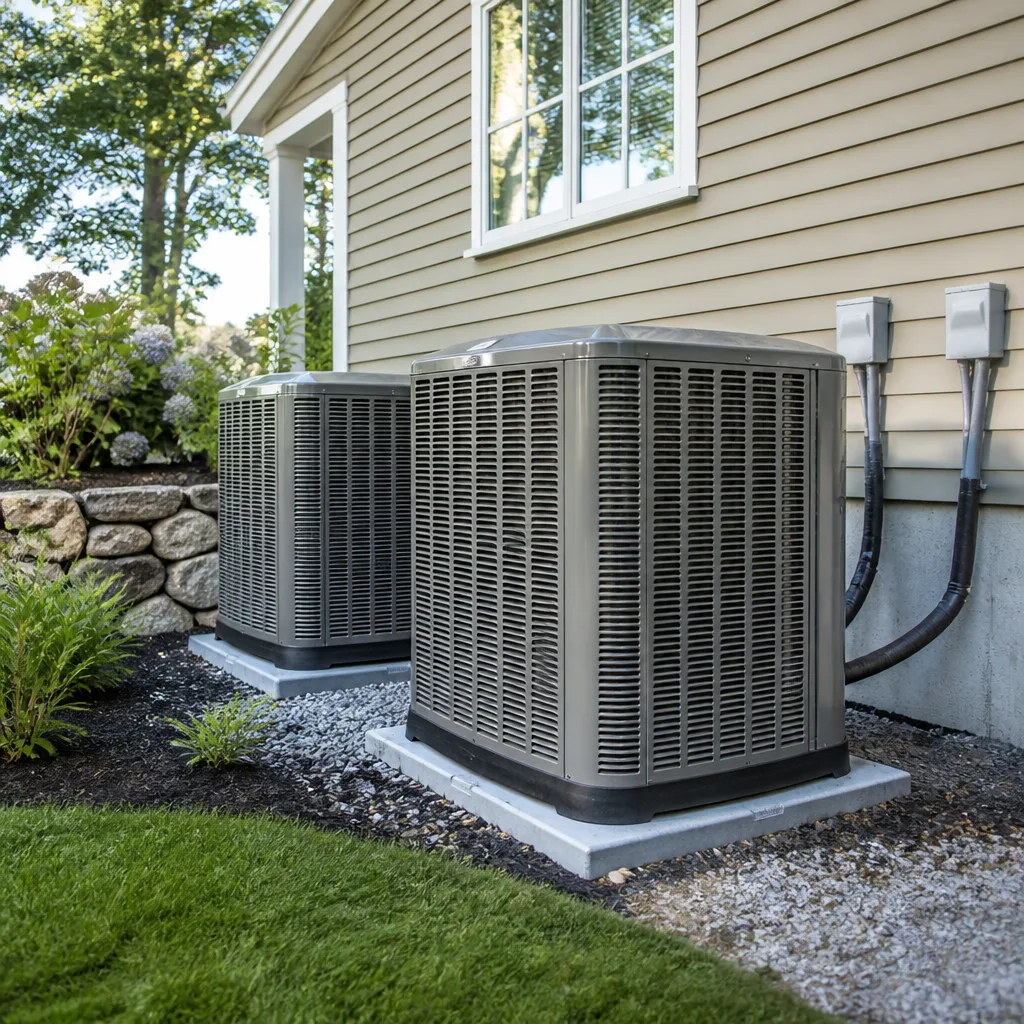 Heat pumps
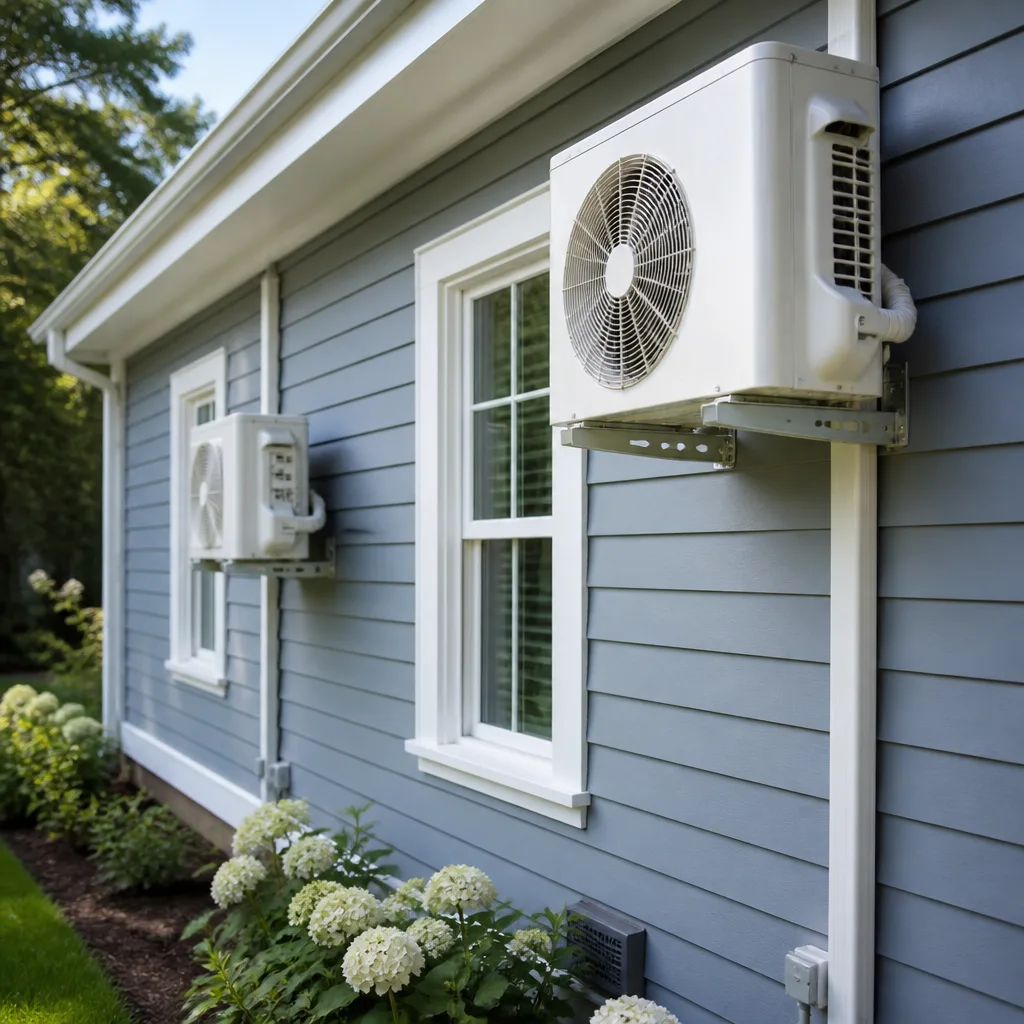 Ductless mini splits
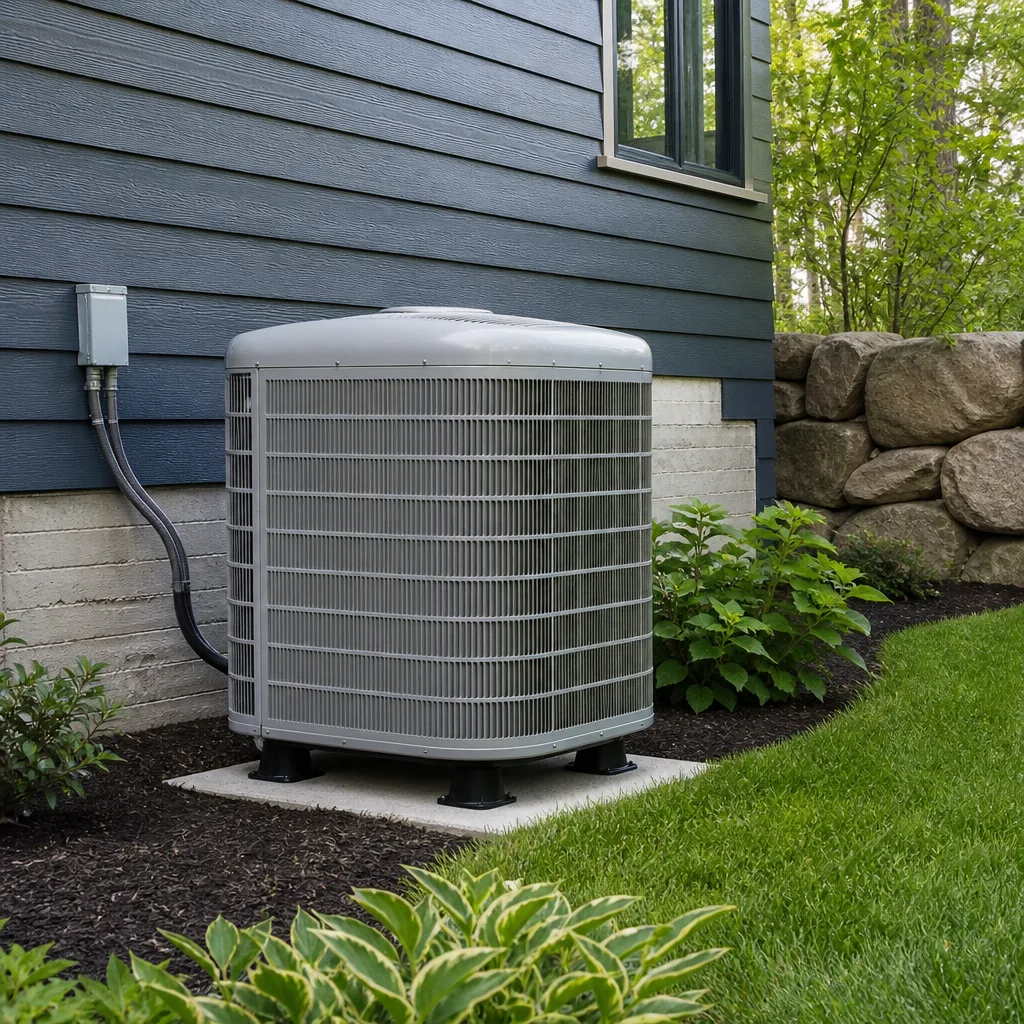 Carrier
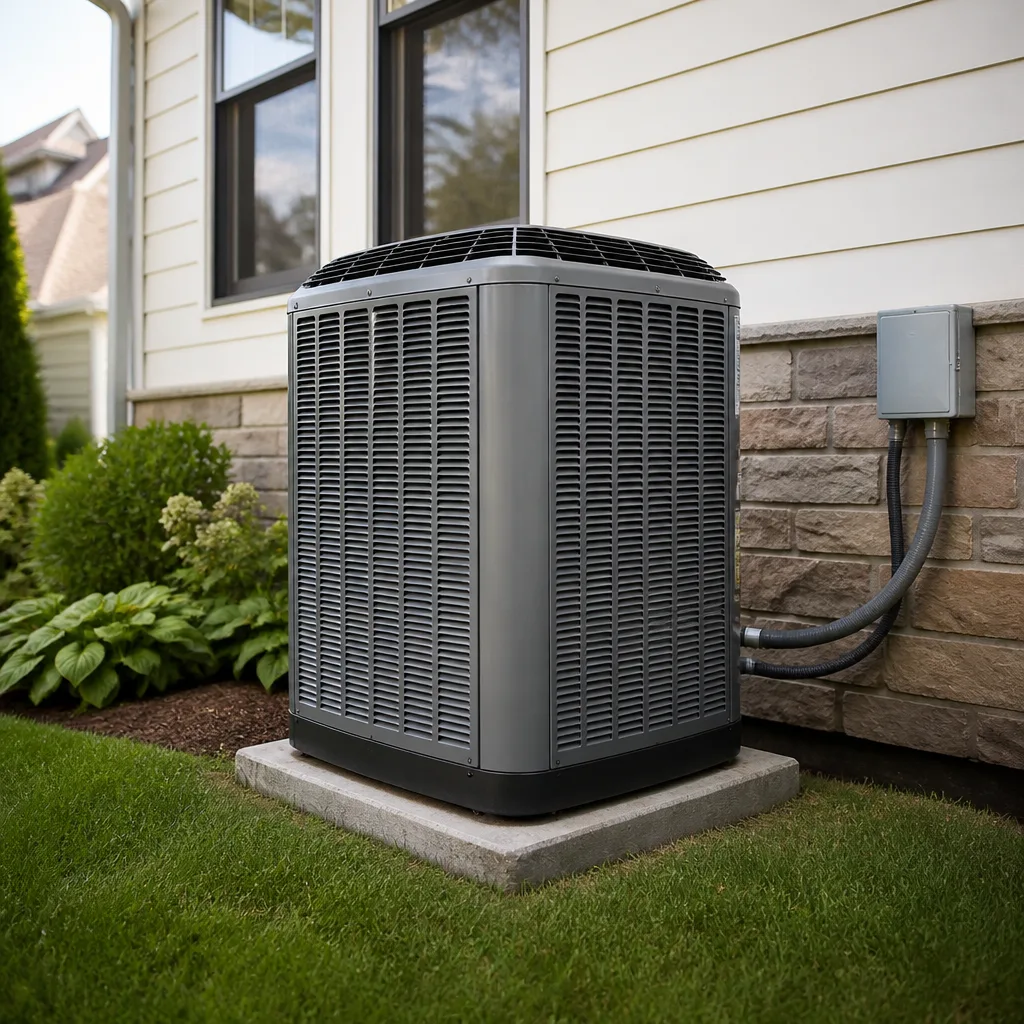 Trane
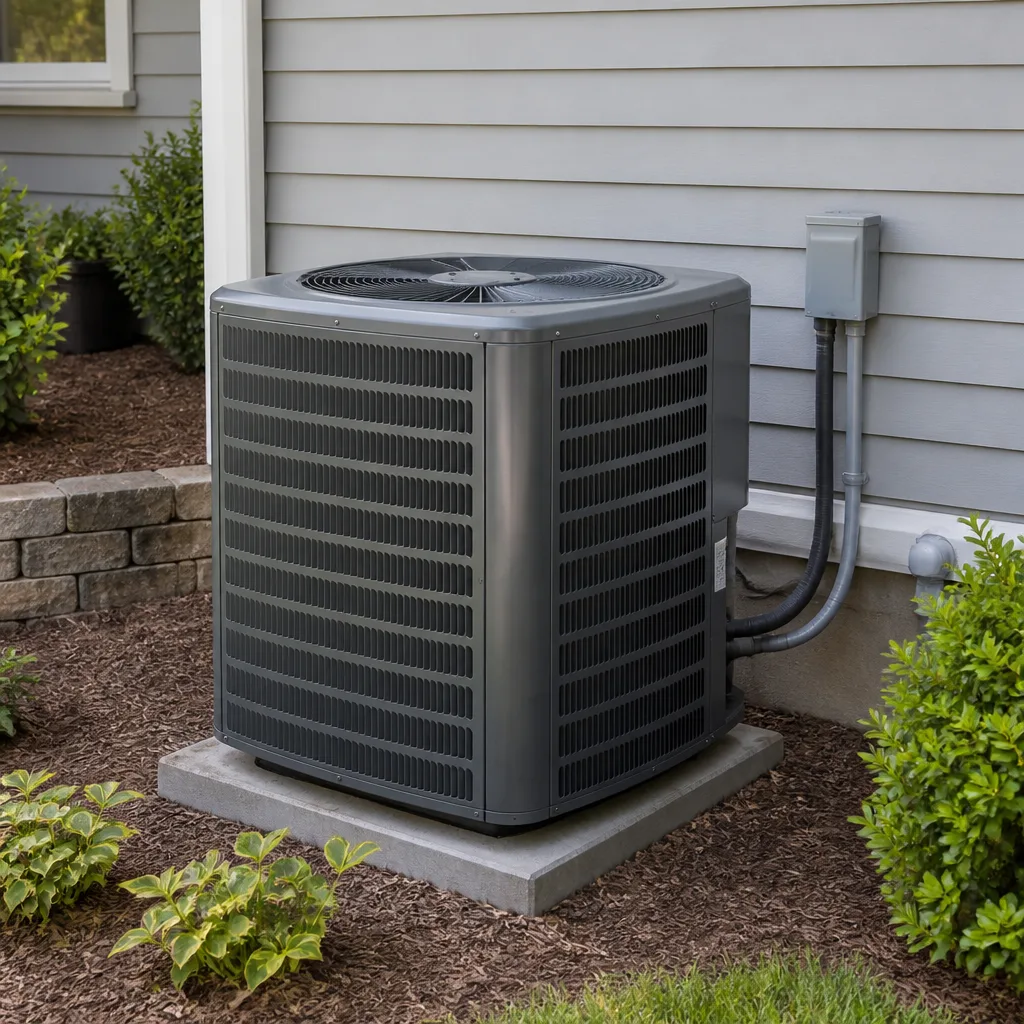 Goodman
Seasonal tune-up and full diagnostic on your Carrier, Trane, or Goodman system - readings shown to you before any repair is proposed
Diagnosis first, numbers second - you approve the repair price before a single part goes in.
Get your free estimateHow to Hire an HVAC Contractor in Riverview: A Step-by-Step Guide
Most homeowners in Riverview hire an HVAC contractor the same way they pick a restaurant: whoever’s ad shows up first when the AC quits. That works for dinner. It doesn’t work for a $6,000 system. After a hot stretch or a storm, this area gets a wave of HVAC companies from outside Hillsborough County running local ads. Some are legitimate. Some are not. The Florida license lookup that would expose a bad one takes about ten minutes, and most homeowners skip every step of it. This guide walks you through all of them: the DBPR license check, the questions that separate a true heating and cooling specialist from a general handyman, why a Manual J load calculation matters more than any quote on paper, and what a real proposal document should contain. You’ll finish knowing how to hire in Riverview without guessing.
Quick Answer
To hire an HVAC contractor in Riverview, verify the Florida state license through the DBPR lookup, confirm the company is HVAC-only rather than a general contractor with an add-on, and insist on a Manual J load calculation before any installation quote. Get a written proposal that lists equipment model numbers, the load calculation, and a line-item price. Skip anyone who can’t produce those three things.
Styles & brands we work with
- AC repair
- Furnace & heating
- Heat pumps
- Ductless mini splits
- Carrier
- Trane
- Goodman
Table of Contents
- Step 1: How Do You Verify a Florida HVAC License?
- Step 2: How Do You Tell a Specialist From a Generalist?
- Step 3: Why Does the Manual J Load Calculation Matter?
- Step 4: How Do You Spot a Brand-Tied Dealer?
- Step 5: What Should a Real Proposal Document Contain?
- What Questions Should You Ask on the Phone?
- What Red Flags Should Make You Walk Away?
- How Do You Decide Between Repair and Replacement?
Step 1: How Do You Verify a Florida HVAC License?
Every legitimate HVAC contractor working in Riverview has to hold a Florida state license, and you can check it in the time it takes to drink a coffee. The Department of Business and Professional Regulation (DBPR) maintains a public license lookup on its website. Type in the company name or the license number, and the record tells you whether the license is current, what type it is, and whether the business has any complaints or disciplinary history attached to it.
Here’s the step-by-step:
- Ask for the license number in writing. A legitimate contractor gives it to you without hesitation. If they deflect or say it isn’t necessary, that’s already an answer.
- Look it up on the DBPR site under “Verify a License.” Match the license number to the company name on the paperwork and the name of the person doing business as that company.
- Check the license status. Look for “Current, Active,” not “Delinquent,” “Inactive,” “Suspended” or “Revoked.” A lapsed license means the contractor isn’t legally authorized to pull permits or do the work.
- Check the type. An HVAC contractor holds a CAC (Certified Air Conditioning Contractor) or a CAC-numbered license. General contractors, handymen and many “home services” companies do not and cannot legally perform HVAC installation without an arrangement that often adds cost and confusion.
- Check for disciplinary history. The DBPR record shows formal complaints and actions. A single complaint isn’t a dealbreaker; a pattern is.
Riverview sits inside Hillsborough County, and permits for HVAC replacement generally route through the county or the local municipality depending on the address. A licensed contractor handles the permit process for you. An unlicensed one can’t, and the burden of an unpermitted install lands squarely on you at resale. When the county or a future buyer pulls the records, they’ll want to see one.
Step 2: How Do You Tell a Specialist From a Generalist?
Riverview has more than its share of contractors who list HVAC alongside plumbing, electrical, remodeling and handyman work. That breadth looks convenient, but it tells you something about the equipment: the technician arriving at your door may spend most of their week doing something other than heating and cooling. A true HVAC specialist spends all of their time on it.
Ask these questions before you book:
- “What percentage of your work is HVAC?” The honest answer from a specialist is somewhere near all of it. If the answer drifts into other trades, you’re talking to a generalist.
- “Which equipment brands do you service?” A specialist handles the major residential brands across the board rather than steering you toward whatever’s on the shelf. Whether you have a Trane or a Carrier, they should be able to diagnose it without hesitation.
- “Do you service and repair the brand I already own?” A contractor who says “we can install but we don’t work on that brand” is telling you their business model depends on replacement.
- “Who actually does the work?” Some general contractors subcontract HVAC out to whichever licensed company is available. That arrangement isn’t illegal, but it means nobody at the company you hired is accountable for the quality of the install.
- “Do you pull the permit?” A specialist pulls it as standard. A generalist may try to skip it.
The gap matters most on the diagnostic side. A heating and cooling specialist can read the whole system: how the thermostat is calling, what the blower is doing, whether the refrigerant charge is within spec, how the ductwork responds to the equipment. A generalist can swap a part. Diagnosing what caused the failure is the difference between a real fix and a repair that comes back a month later.
Step 3: Why Does the Manual J Load Calculation Matter?
This is the single biggest predictor of whether an installation turns out well, and almost nobody asks about it. A Manual J load calculation is a room-by-room heat gain and heat loss evaluation of your specific house: square footage of windows and orientation, insulation levels, ceiling height, air infiltration, the number of people living there, and how the Florida sun hits each side of the structure. It produces a number in tons and BTUs that tells the contractor exactly how much cooling capacity the house needs.
Why does it matter so much? Because an oversized system is worse than an undersized one. An oversized AC cools the house too fast, short-cycles the compressor, doesn’t run long enough to pull humidity out of the air, and wears out early. In Riverview’s humid summers, an oversized system leaves a house at 72 degrees that still feels clammy. Undersized units run constantly, never catch up during the hottest afternoons, and burn through energy. Matching the equipment to the house is the whole game.
What to watch for:
- A proper load calculation produces a document. Not a shrug and “we’ll put in a three-ton.” You should receive part of the load calculation report with your proposal.
- Rule-of-thumb sizing is not a load calculation. If a contractor sizes your system based purely on square footage without looking at insulation, window count, or ceiling height, they’re guessing. Guessing is expensive.
- Replacement should generally match the old tonnage only if the old system was sized correctly. Many aren’t. If a previous owner added a room or swapped windows, the math has changed.
- Airflow matters as much as capacity. The load calculation pairs with checking the duct sizing; a perfectly sized system on undersized ducts still fails.
Ask the contractor directly: “Will you perform a Manual J load calculation before recommending a system size?” Only one answer is acceptable. If you’re comparing quotes, request this from every contractor and reject anyone who won’t produce it.
Step 4: How Do You Spot a Brand-Tied Dealer?
Brand loyalty isn’t inherently bad. A contractor who installs one brand consistently develops deep familiarity with it, and their technicians can be excellent. The problem is what happens when brand loyalty drives the recommendation rather than the other way around. You want a contractor who works on your brand, not one whose business only works with their brand.
Watch for these signals:
- They push a single brand before knowing anything about your house. If a sales rep opens with “we’re a Carrier dealer” and never asks about your square footage, budget, existing ductwork, or usage patterns, their recommendation is not about you.
- They recommend replacement over repair on a system that’s still young. A brand-tied dealer’s incentive is to sell new equipment, particularly the brand they’re contractually tied to. A specialist diagnoses the issue and tells you whether the repair makes economic sense first.
- They can’t or won’t service your existing brand. If your current system is a Lennox and they “don’t work on those,” they’ve just told you that the recommendation follows inventory, not the home.
- Their quote lists one brand and one model with no options. A legitimate installation quote offers a midrange and a higher-efficiency option from multiple manufacturers so you can compare cost against efficiency.
- They use efficiency claims without numbers. “High-efficiency” means nothing. A real quote lists equipment model numbers, SEER2 ratings, and the expected energy impact.
The right contractor asks about your budget, the age of your existing system, how many people live in the house, whether you run the AC all day, and how long you plan to stay in the home before proposing equipment. Then they offer two or three options at different price points and explain the tradeoffs. If the recommendation happens before the questions, it wasn’t for you.
Step 5: What Should a Real Proposal Document Contain?
A handwritten quote on a business card is not a proposal. A legitimate proposal protects you if the job goes sideways, clarifies what’s included, and gives you the paper trail you need if there’s ever a dispute or a warranty claim. Even for repair work, you want something written; for replacement, it’s non-negotiable.
A proper proposal should include:
- The full equipment model numbers and serial numbers, written out. “Three-ton AC unit” is not enough. Specific model numbers let you verify the equipment is within the manufacturer’s warranty when it’s installed, and confirm the exact efficiency rating that was quoted.
- The results of the load calculation, or at minimum the system size in tons and BTUs stated as the calculated requirement.
- A line-item list of every piece of equipment, material, and labor item. Fans, thermostats, refrigerant lines, electrical disconnects, drain line components, filter cabinets, seals, and labor should each show as a separate line.
- The permit status. The proposal should say the contractor will pull the permit, and the permit number can be provided once it’s issued.
- Warranty terms. Manufacturer warranty on parts and compressor, plus any labor warranty, should be spelled out in writing with the coverage period.
- A stated price with terms. Total amount, payment schedule if any, and a defined completion date. A fixed-price proposal is preferable to a “time and materials” quote for installation work.
- The license number on the document itself. Cross-check it against the DBPR record you looked up in step one.
Read the proposal before you sign it, and hold onto it. If a year from now the compressor fails under warranty, that document is what verifies the install and gets you the coverage. A proposal that’s a page of friendly language with a total at the bottom might as well be handshake.
What Questions Should You Ask on the Phone?
Before anyone comes to the house, the phone conversation should already tell you a lot. Here are the highest-value questions to ask, in order:
- “What’s your license number?” Then verify it. If they hesitate, hang up.
- “Are you HVAC-only?” Listen for whether the answer is a genuine specialty or a list of unrelated trades.
- “What brands do you service and install?” The best answer covers multiple residential brands. If they name one brand as their primary, ask what they would recommend if that brand weren’t available.
- “Will you perform a Manual J load calculation before proposing a system?” For repair calls, ask instead: “What will you do to diagnose the problem?” A proper diagnosis starts with a full system check, not a guess.
- “What’s the estimate process?” Free estimates, written proposals, and a clear description of what’s included. Avoid anyone charging a diagnostic or trip fee before giving an estimate in this market; the standard here is free.
- “How quickly can you come out?” Same-day service is reasonable from a specialist in the Riverview area. If they can’t give a realistic window, they’re either overscheduled or not local enough.
- “What’s your repair turnaround on a 90-degree day?” An honest HVAC contractor will tell you what their typical schedule looks like during peak season. You want someone who doesn’t oversell immediate availability.
The phone call is a screening tool. A contractor who answers all of these smoothly and gives you a written proposal has passed most of the test before arriving. If any of the answers feel evasive, that’s information.
What Red Flags Should Make You Walk Away?
Some warning signs are universal; others are specific to the Riverview market. Here are the ones that matter most.
- No license, or a license that doesn’t match the company on the paperwork. A subcontractor or an employee’s personal license isn’t the same as the company’s. Verify the license belongs to the business entity you’re hiring.
- Pressure to sign today for a “locked-in” price. HVAC replacement is not a limited-time offer. If the price only works today, the price isn’t real.
- No written proposal before work starts. This is the most common failure. If they want to start the install before giving you a document, walk away.
- Cash-only and no receipts. Legitimate contractors take checks and cards, and they provide a written invoice. Cash-only is a way to avoid paper trails and tax records, and it’s a red flag.
- Storm-season chasing. After a big storm or a heat wave, out-of-area HVAC companies running local ads appear in Riverview. Some are legitimate and contracted through insurer networks; most can’t or won’t come back when there’s a warranty problem six months later. Ask where the company is based and whether they’ll service the equipment under warranty.
- Refusing to put the brand and model number in writing. A proposal without a model number is a promise to install “an AC,” not a specific unit.
- No permit pulled on a replacement job. Any licensed contractor replacing a system in Hillsborough County pulls the permit. If they tell you a permit isn’t needed for replacement, they’re wrong.
Call AC Repair Riverview if you want a straight answer on whether a quote you’ve received is legitimate. We’ll tell you what we see.
How Do You Decide Between Repair and Replacement?
This is where a fair contractor earns trust, and where a brand-tied dealer loses it. The honest answer depends on the age of the system, the cost of the repair relative to the value of the equipment, and the efficiency gains of a new unit. There’s no universal cutoff, but there are useful guidelines.
The repair-vs-replace question generally comes down to:
- Age of the existing system. Residential AC units have a manufacturer-rated service life in the 10-15 year range with proper maintenance. Past that, repairs often don’t pay back.
- Type and cost of the repair. A failed capacitor or contactor is cheap and worth fixing even on an older system. A failed compressor is a major expense, and on a 14-year-old system the money often makes more sense toward replacement.
- Frequency of past repairs. One repair in ten years is normal. Three repairs in three years means the equipment is failing and you’re chasing it.
- Refrigerant type. Older systems using R-22 face high refrigerant costs because production has been phased out. If your system runs on R-22 and needs a refrigerant-related repair, replacement often makes more sense.
- Efficiency of the existing system. An older 10 SEER system uses meaningfully more energy than a modern 15 SEER2 unit. The savings don’t always justify replacement on their own, but combined with an aging system, they matter.
The right answer depends on your specific house and equipment, which is why a specialist walks through the numbers with you instead of pushing one direction. Ask your contractor to explain the cost-per-year math on both options. If the recommendation is replacement, ask what happens if you repair instead. If the recommendation is repair, ask what the remaining life of the system is likely to be. For more on how we think about furnace repair versus replacement, the same logic applies to the heating side of the system.
Common Mistakes to Avoid
- Hiring the first contractor who shows up. During peak cooling season in Riverview, HVAC companies get busy and the fast response from an unfamiliar name might mean an unfamiliar company. Verify the license first, then let them come out. Ten minutes protects a $5,000 decision.
- Skipping the DBPR lookup. It’s public, it’s free, and it takes two minutes. A lapsed license means no legal authorization to perform the work and no recourse through the state if something goes wrong.
- Accepting a quote that doesn’t include a Manual J load calculation. An oversized or undersized system is the most common installation problem we see. Matching the equipment to the house is not optional.
- Letting a generalist do HVAC work as a favor. A handyman with a toolbox can swap a capacitor and charge a system, but the diagnosis, the load calculation, and the permit are all missing. The savings evaporate when the fix doesn’t hold.
- Letting a brand-tied dealer drive the recommendation. If a contractor pushes one brand and never asks about your house, budget or usage, the recommendation isn’t for you. Ask for multiple options from multiple manufacturers.
- Failing to get model numbers in writing. “Three-ton unit” is not a commitment to anything. The written proposal should name the specific equipment model numbers. If they won’t put it in writing, they can substitute cheaper equipment at install.
- Forgetting to ask for the permit. No permit on a replacement in Riverview is a problem at resale and a problem with insurance. A licensed contractor handles the permit as standard; ask specifically to confirm.
See the difference
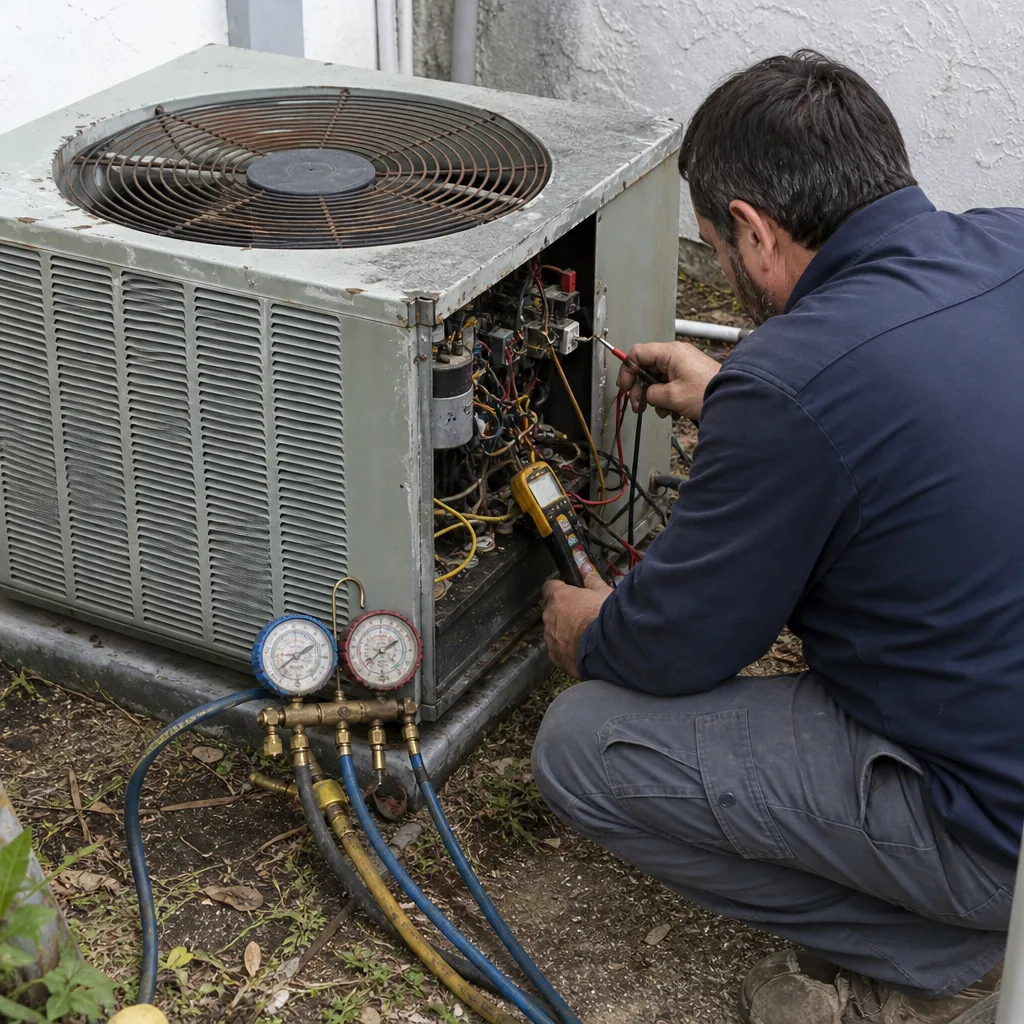 Before
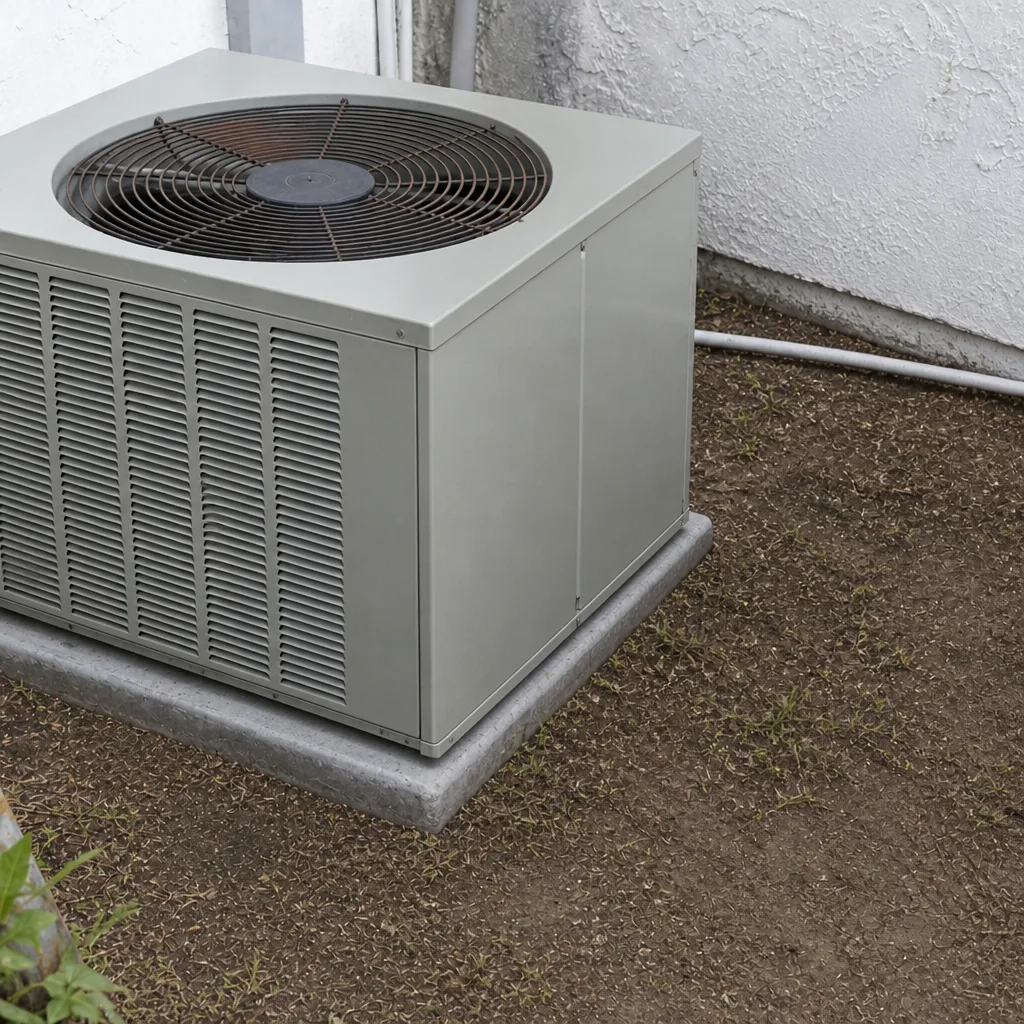 After
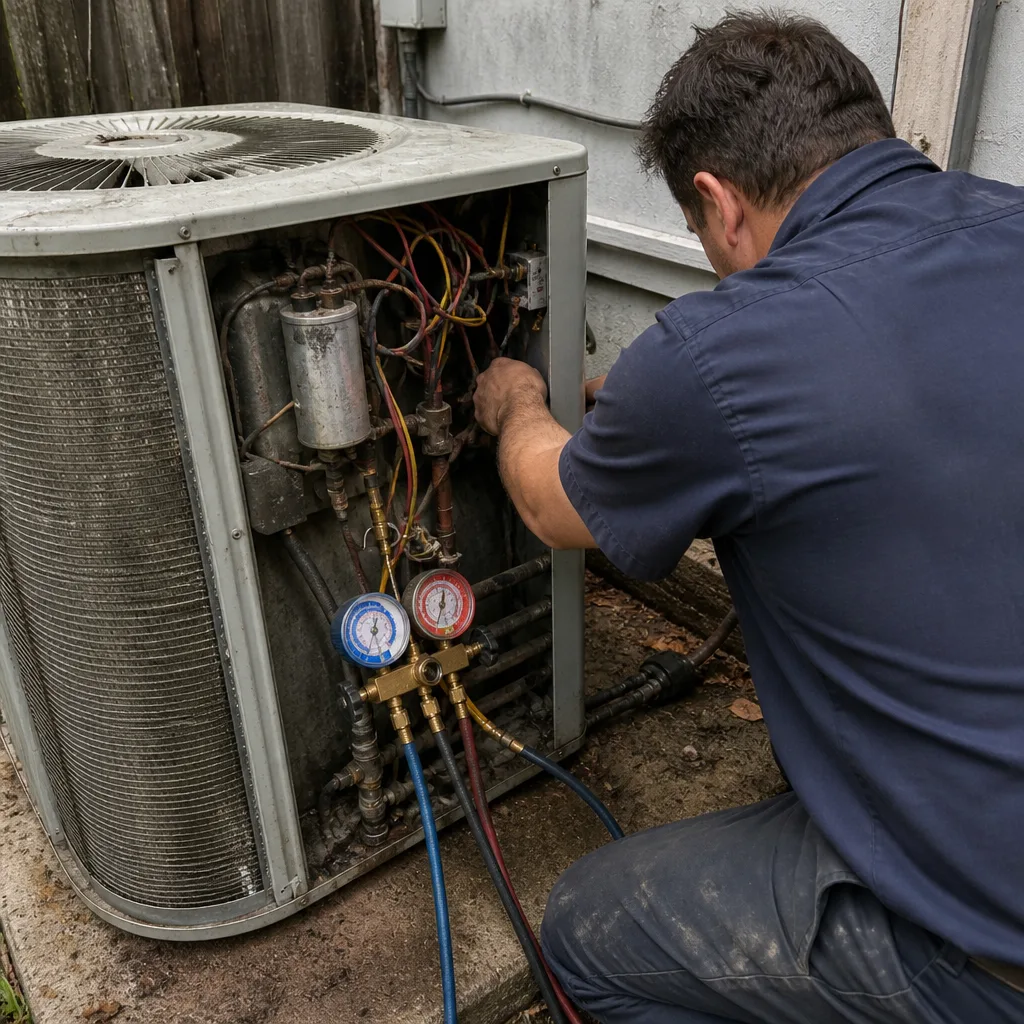 Before
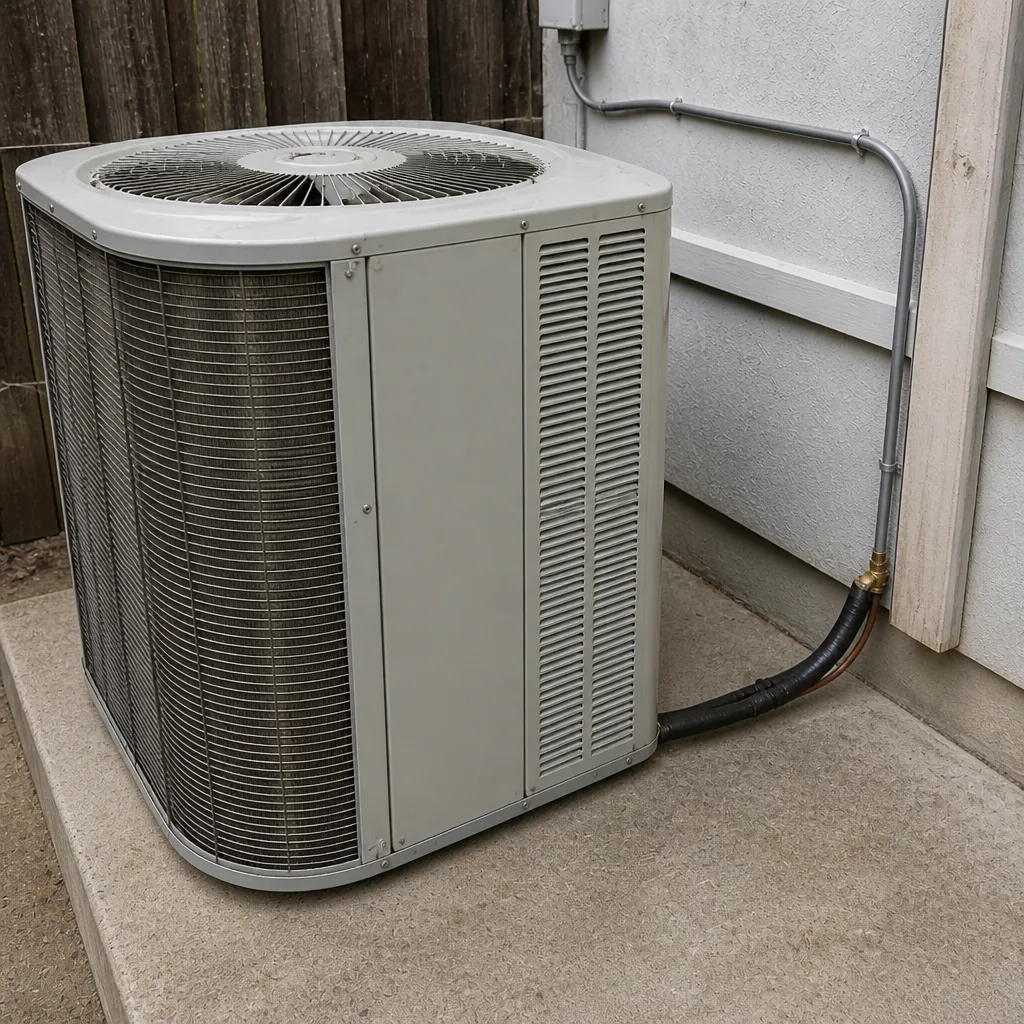 After
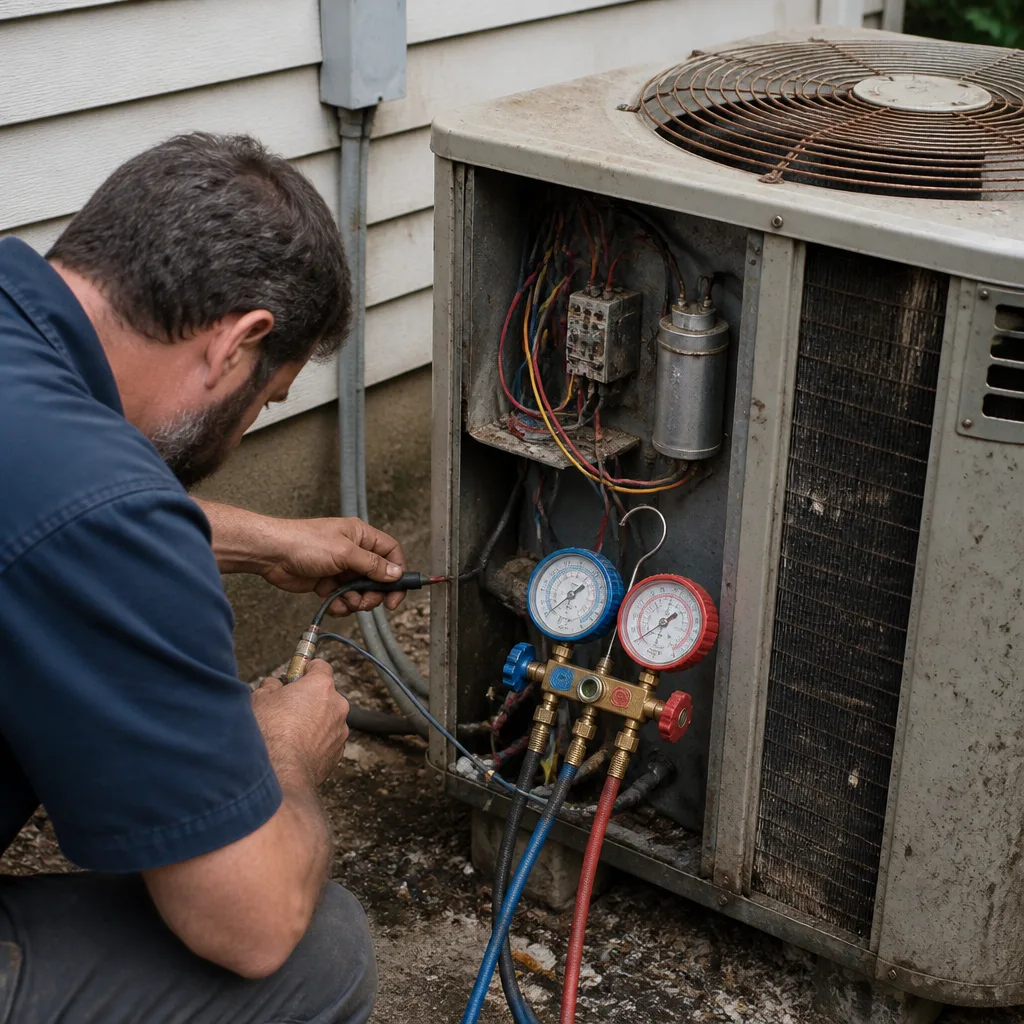 Before
 After
When to Call a Professional
Some HVAC issues are manageable as a homeowner: replacing a filter, checking the thermostat battery, clearing a drain line clog, resetting a tripped breaker. Most aren’t. Call a professional when the system isn’t cooling at all, when the outdoor unit keeps tripping the breaker, when you hear grinding or screeching from the compressor, when the indoor blower runs but the outdoor unit doesn’t, when you smell burning or an electrical hot smell, when ice forms on the refrigerant lines, or when the system runs constantly and never reaches setpoint. Electrical components and refrigerant handling are not homeowner tasks: refrigerant requires a licensed technician by law, and the electrical panel and capacitor work carries serious shock hazard. Call a specialist rather than a generalist, because the wrong diagnosis costs more than the call. AC Repair Riverview offers free estimates in Riverview: call (888) 465-9784. We answer 24/7. Fast dispatch from 7am to 7pm, Sunday through Friday.
Frequently Asked Questions
About two minutes once you have the license number. The DBPR public lookup at the state of Florida website shows the license status (Current, Delinquent, Suspended, or Revoked), the license type (CAC for HVAC), the business entity attached to it, and any formal complaints or disciplinary action. If the company’s name doesn’t match the license record, ask why before hiring. Call (888) 465-9784 for a free estimate if you’d like us to walk you through the process.
Yes. A Manual J calculation determines the right sizing in tons and BTUs for your specific house, and a mismatched size causes short-cycling, humidity problems, higher bills and earlier equipment failure. In Riverview’s humid climate, an oversized system often leaves the house cool but clammy because it doesn’t run long enough to remove moisture. If a contractor won’t produce a load calculation before recommending a system size, don’t hire them.
Ask where the company is based and whether they’ll service the equipment under warranty once the storm season is over. Legitimate out-of-area companies exist and some do proper work; others leave town when warranty issues surface. Verify the Florida license through DBPR first, and ask for a written proposal with model numbers and the permit status. If they can’t produce those, treat it as a red flag regardless of price. Call (888) 465-9784 for a second opinion on the quote.
Ask what brands they service and install, and watch whether they recommend equipment before asking about your budget, home size and usage. A brand-independent specialist handles multiple major residential manufacturers, offers two or three equipment options at different price points, and diagnoses and repairs the brand you already own rather than swapping it. Whether you have a Lennox or an American Standard, a specialist works on your brand, not theirs.
Repair when the failed component is cheap and the rest of the system has years left. Replace when the system is 12-15 or more years old, when repairs have become frequent, or when a major repair (like a compressor) appears on equipment past service life. Each case has its own math. Ask your contractor to explain cost-per-year for both options and don’t accept a recommendation that comes without a reason. Call (888) 465-9784 for a free estimate and a straight answer on which makes sense.
Specific equipment model numbers, the load calculation results, a line-item list of every component and labor item, the permit status, warranty terms for parts and labor, the license number, and a stated total price with completion date. Anything less and you’ve been handed a quote, not a proposal, and a quote doesn’t protect you if something goes wrong with the install. If a contractor won’t produce a document with all of these elements, keep looking.
The Bottom Line
Hiring HVAC in Riverview comes down to five steps: verify the DBPR license, confirm the company is a heating and cooling specialist not a general contractor, demand a Manual J load calculation for any installation, watch for brand-tied dealers who recommend equipment before asking about your house, and demand a written proposal with model numbers and permit details. Skip any of these and the risk lands on you. Do all five and you’ve filtered out nearly every problem contractor in the local market. The ten minutes it takes to verify beats the months of headaches from a bad install.
If you need AC installation, furnace repair, or furnace replacement in Riverview, call AC installation specialists who work on your brand, not one brand only. We service and install equipment from nine major residential manufacturers, including American Standard, Carrier, Trane and Lennox, across Hillsborough County. For a broader look at the local HVAC market and climate, see our guide to Riverview.
Call (888) 465-9784 for a free estimate. We answer 24/7. Fast dispatch from 7am to 7pm, Sunday through Friday. Our technicians have up to 10 years of experience, and we’ll tell you whether a repair or replacement actually makes sense for your situation.
Written by the team at AC Repair Riverview.