
Last updated November 16, 2026
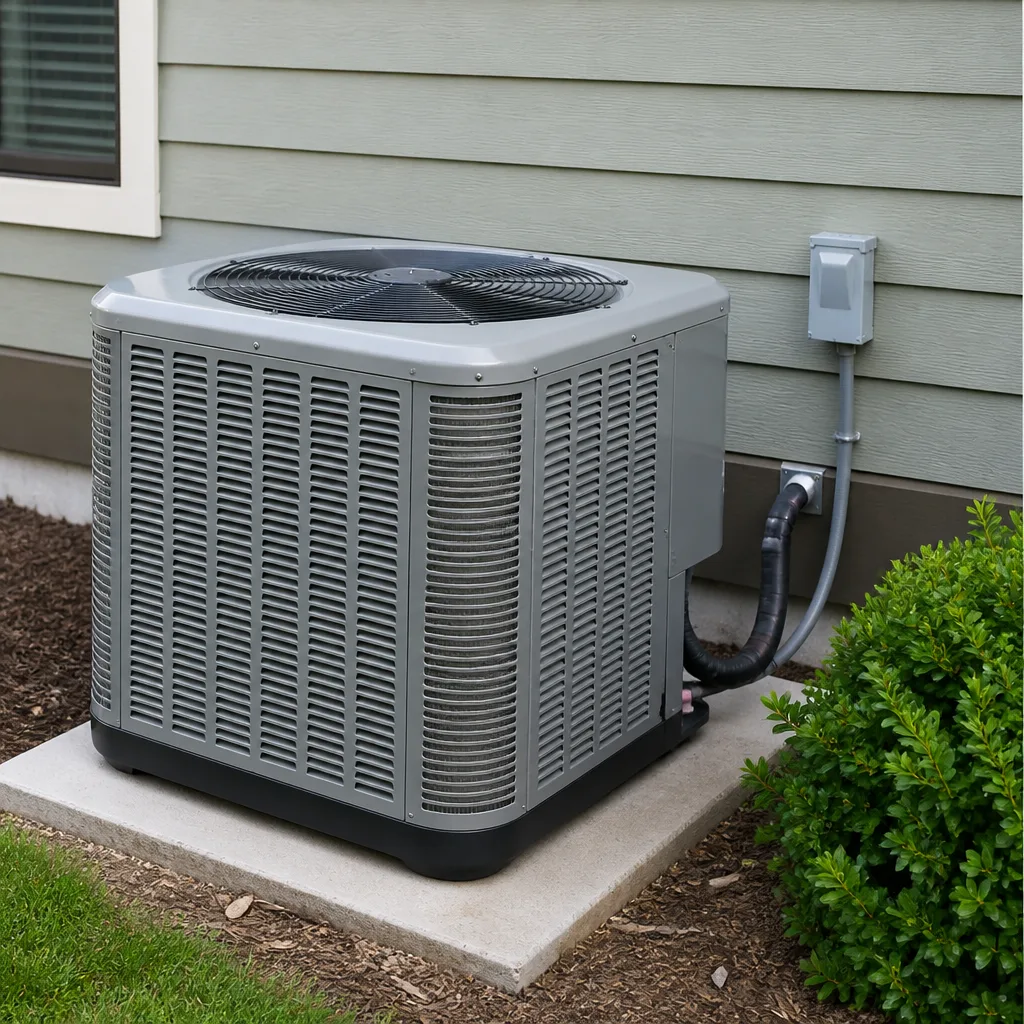 AC repair
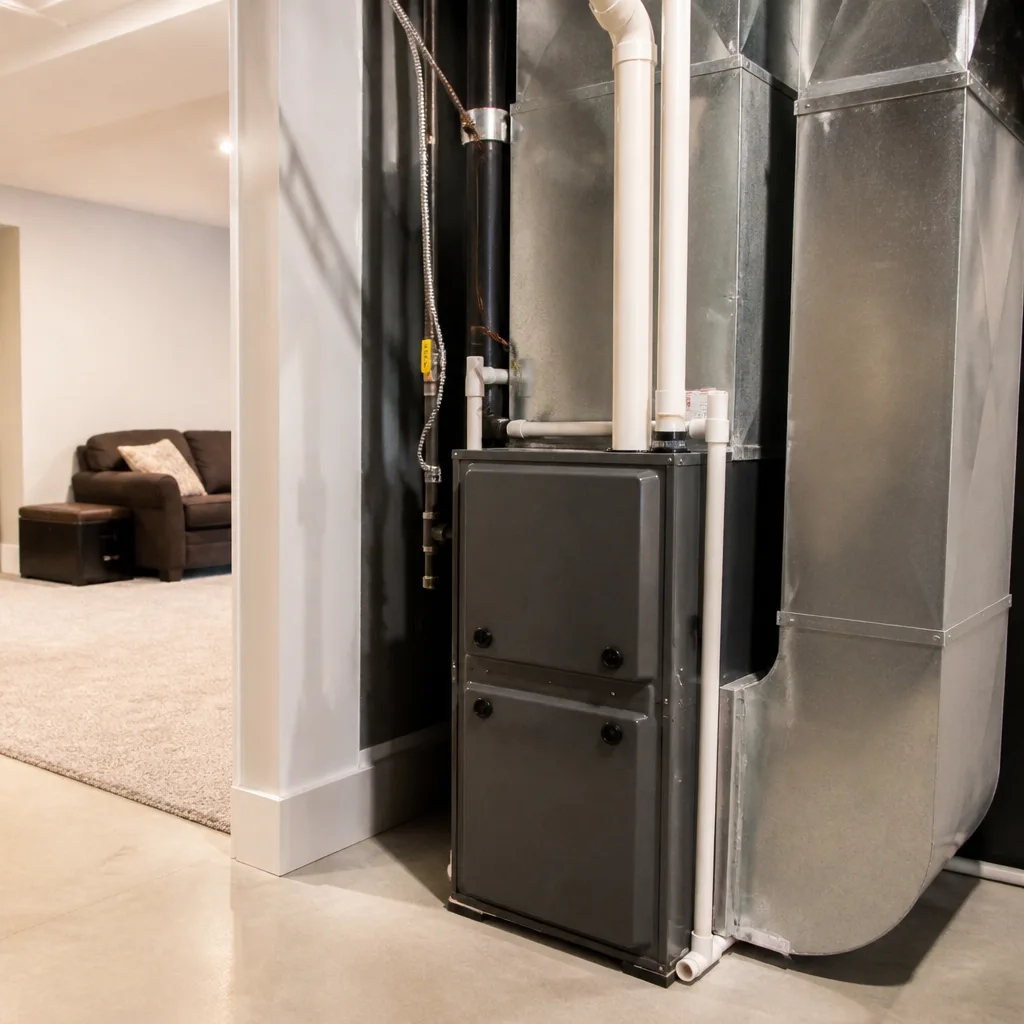 Furnace & heating
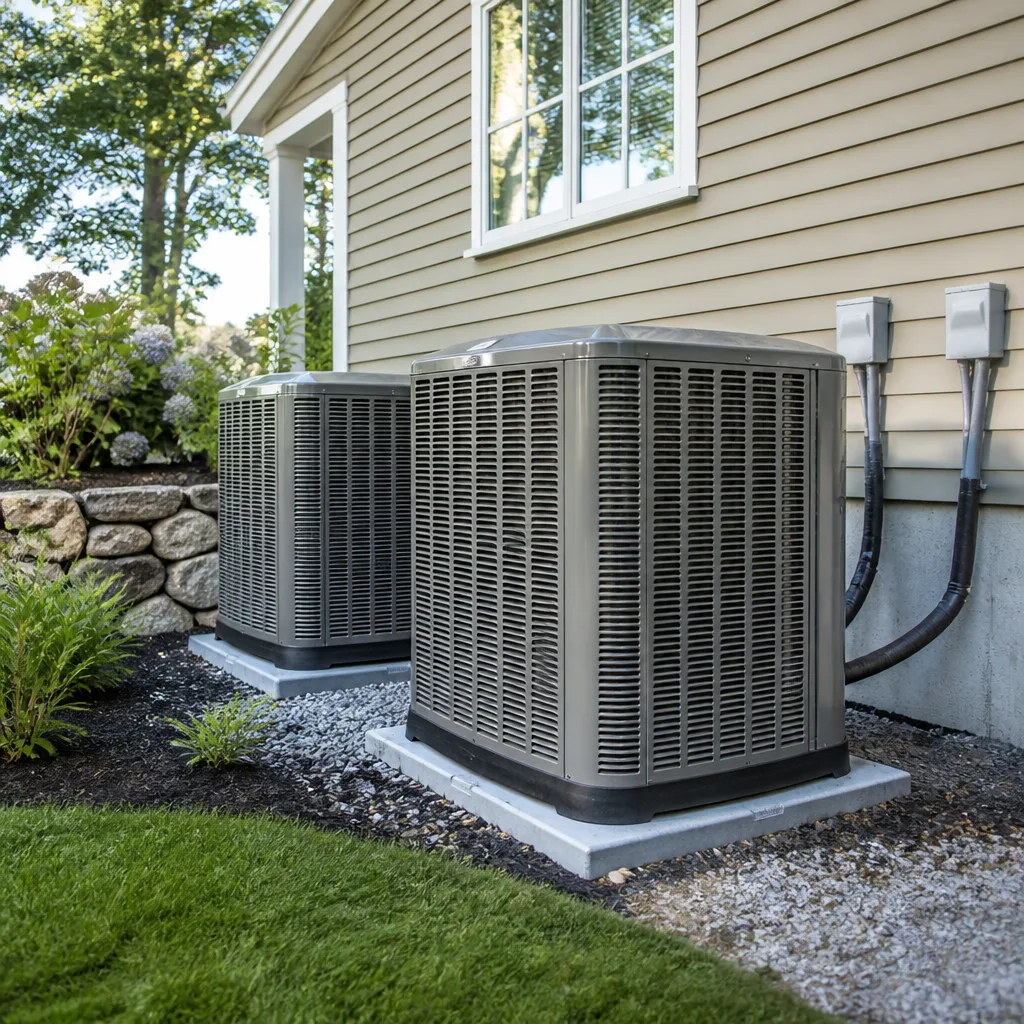 Heat pumps
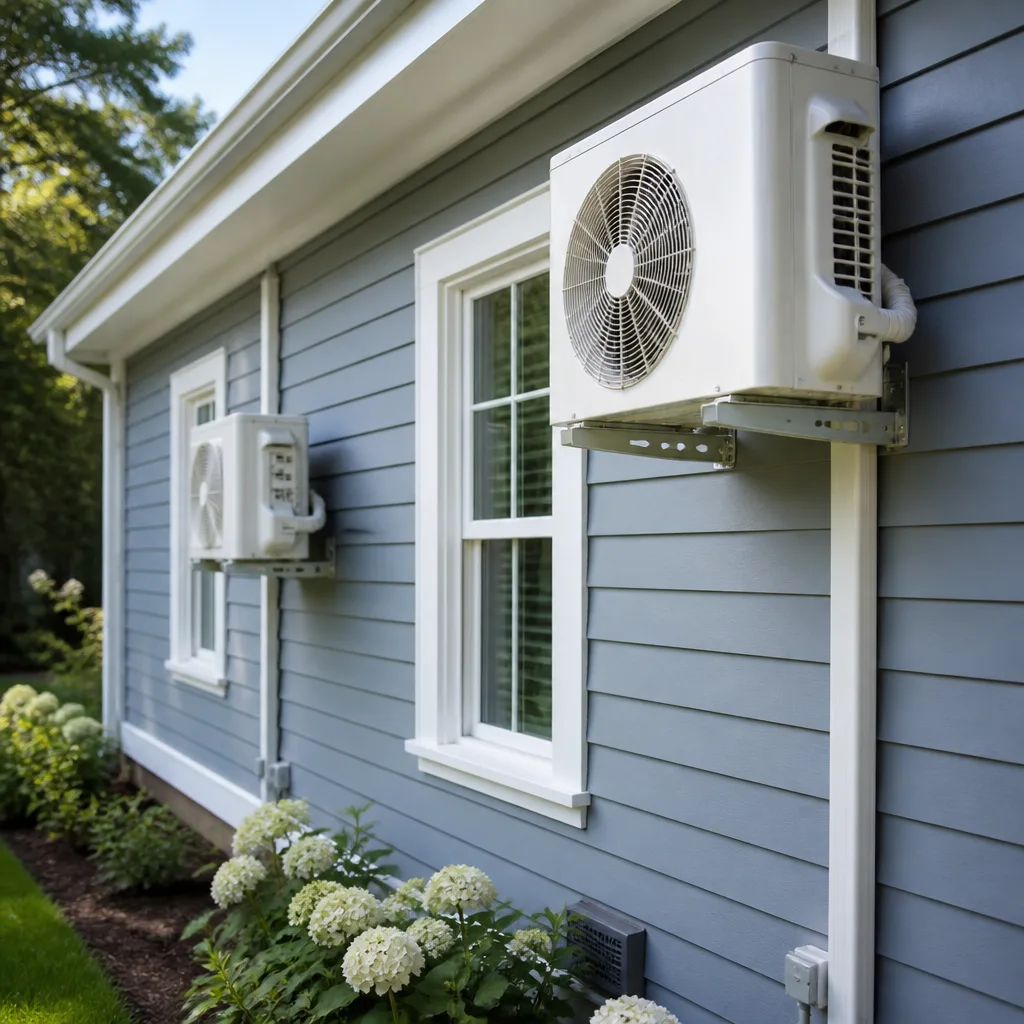 Ductless mini splits
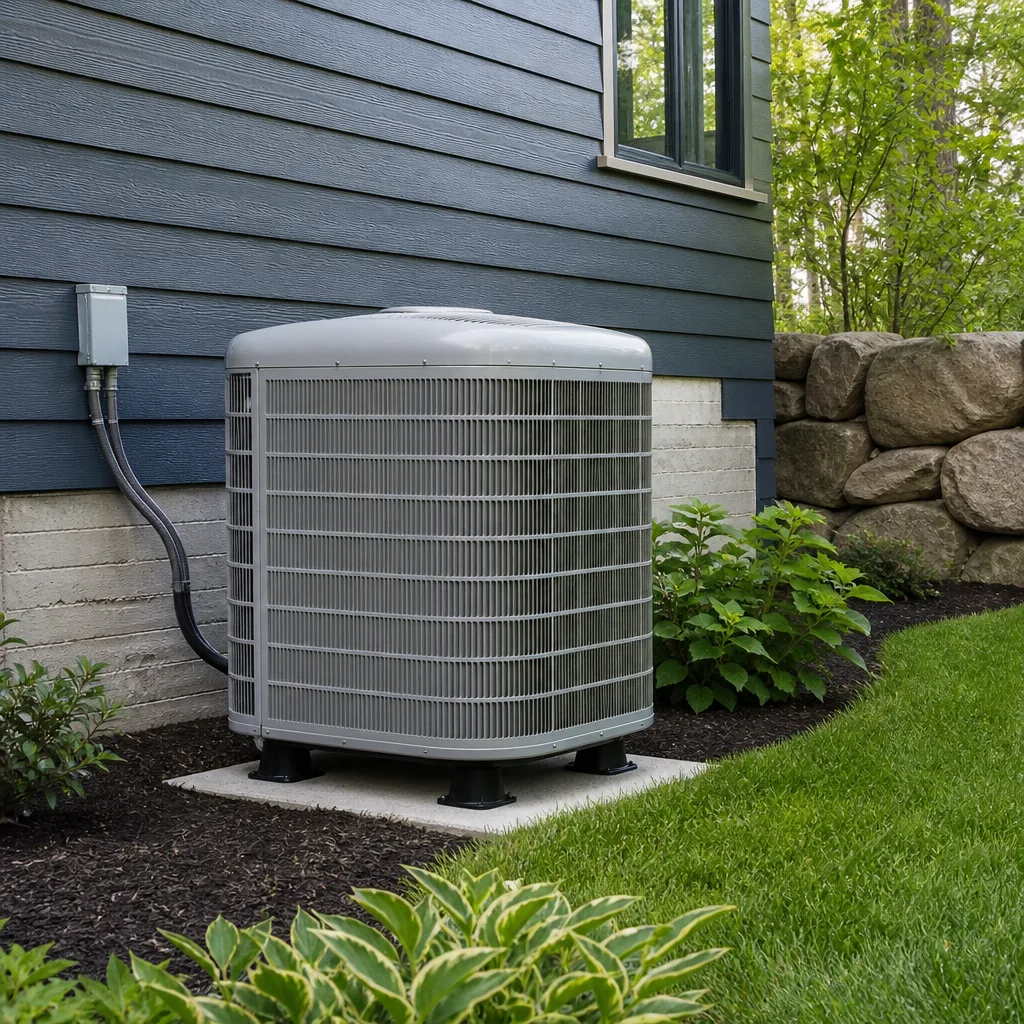 Carrier
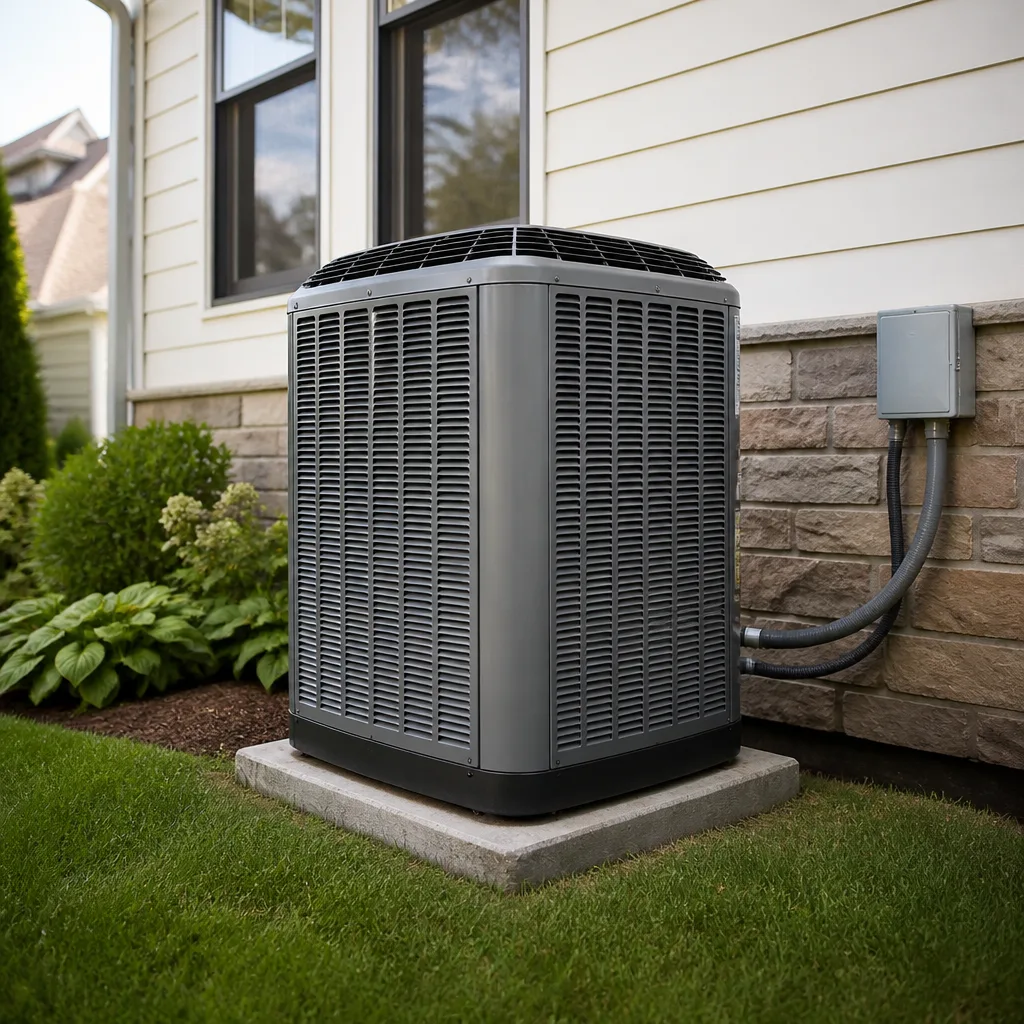 Trane
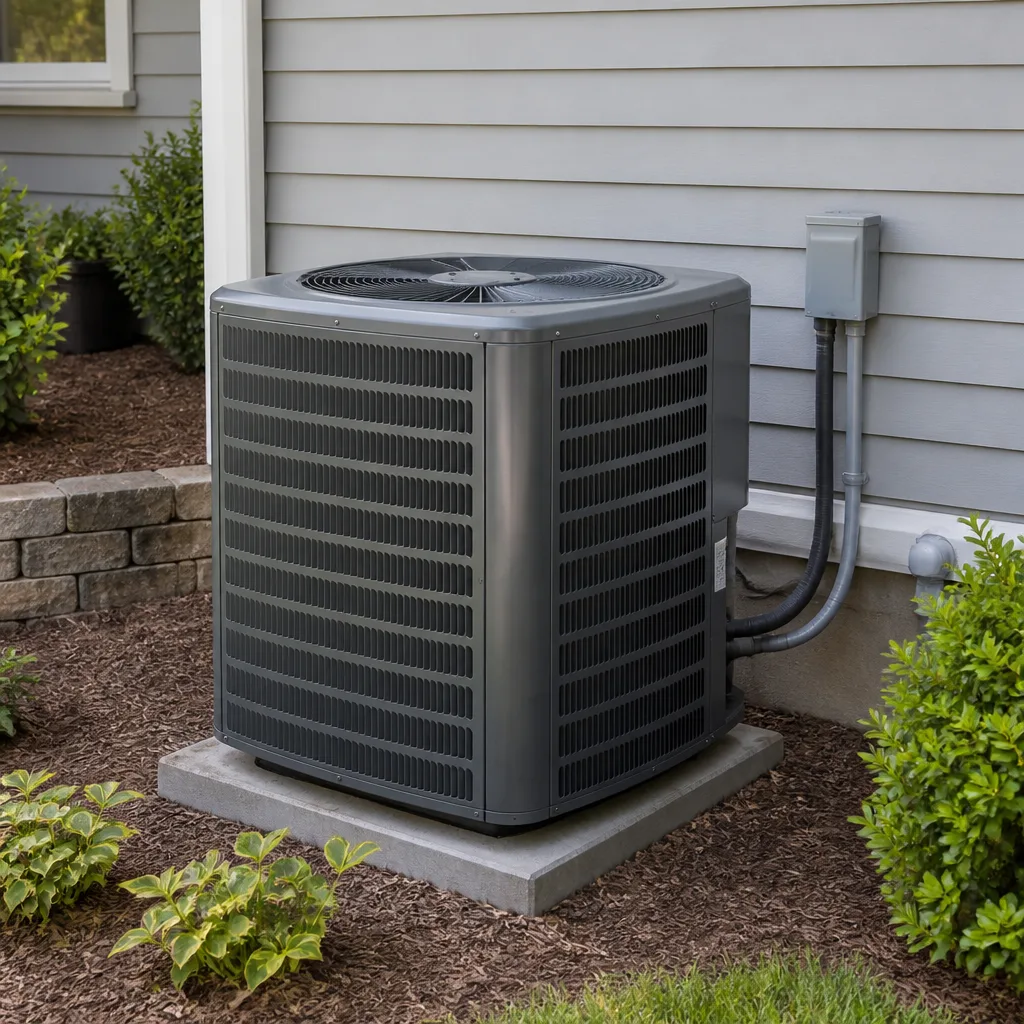 Goodman
Seasonal tune-up and full diagnostic on your Carrier, Trane, or Goodman system - readings shown to you before any repair is proposed
Diagnosis first, numbers second - you approve the repair price before a single part goes in.
Get your free estimateHVAC Cost Breakdown: The Riverview Homeowner’s Reference for 2026
Two Riverview homeowners can live in the same square footage, own the same equipment brand, and call the same contractor – and still receive quotes that differ by $3,000. That gap isn’t gouging. It’s equipment tier, labor complexity, and duct condition doing what they always do: creating legitimate variation that almost nobody stops to explain. Most HVAC quotes arrive as a single number with a handshake attached. This guide takes that number apart line by line, so you can evaluate a quote on its merits instead of on the charisma of the person holding the clipboard. You’ll learn what each line item actually pays for, how SEER2 ratings play out over ten years of Florida runtime, why ducts add hidden cost, and when financing is neutral versus expensive. Read this before your next estimate in Riverview.
Quick Answer
A typical residential AC replacement in Riverview in 2026 runs roughly $6,000 to $14,000 installed, with most single-family homes landing between $8,000 and $11,000. That range reflects equipment tier, tonnage, refrigerant type, labor complexity, permit, disposal, and – the variable most often ignored – duct condition. Repair work on an existing system typically costs a fraction of replacement and should be priced first before anyone recommends new equipment. The written estimate sets the final price; every range in this guide is an estimate to help you read a quote, not a substitute for one.
Styles & brands we work with
- AC repair
- Furnace & heating
- Heat pumps
- Ductless mini splits
- Carrier
- Trane
- Goodman
Table of Contents
- What’s Actually Inside a Riverview HVAC Quote: Line-by-Line
- How SEER2 Changes Your Upfront Cost and Your 10-Year Bill
- Duct Condition: The Hidden Variable Worth $1,500 to $4,000
- Equipment Tiers: What $2,000 Buys You Between Entry and Premium
- Financing vs. Cash: When 0% Is Neutral and When It Isn’t
- What ‘Free Estimates’ Really Cost You
- Repair vs. Replace: The Framework We Use
- Furnace Costs in a Mild-Winter Climate
What’s Actually Inside a Riverview HVAC Quote: Line-by-Line
A replacement quote is not one price – it’s six or seven prices stacked together. Understanding the stack is the fastest way to spot an inflated bid. Here’s what a legitimate Riverview HVAC quote usually contains and what each line represents:
- Condenser and air handler (equipment). The largest single line, usually 55-70% of the total. A base-tier 3-ton split system sits at the low end; a variable-speed premium system with a communicating thermostat sits near the top. Brand plays a role (Carrier, Trane, Lennox, and Goodman all deliver at different price points), but tonnage and tier matter more than the logo.
- Refrigerant charge. New systems arrive pre-charged for a standard line set length. If your indoor coil sits more than the standard distance from the outdoor unit, additional refrigerant and line set length get added. This is a real line, not a markup.
- Labor (removal and install). Removing the old system, setting the new pad, brazing line sets, evacuating, charging, wiring low and high voltage, and commissioning. Labor runs higher on attic or tight-closet installations, which are common in Riverview’s newer two-story subdivisions.
- Permit. Most Florida municipalities require a mechanical permit for a system change-out. The permit cost is passed through; it’s not margin, and skipping it can cause trouble at resale.
- Disposal and recovery. Refrigerant must be recovered, not vented, and the old equipment hauled off. This line is small but should never be missing.
- Thermostat and accessories. Sometimes bundled, sometimes separate. A basic programmable thermostat is not the same as a communicating variable-speed control.
- Contingency. A short allowance for the surprises a good installer finds: rusted plenum, failing float switch, kinked line set. A quote with zero contingency and a rock-bottom price often becomes an “add” on install day.
Margin lives inside every line, and that’s not a scandal – a business has to stay open. The right question isn’t whether the contractor makes money; it’s whether the money is being made on equipment spec, on labor, or on a bloated contingency. Ask. A straight answer tells you a lot about who’s quoting you. If you want a comparison baseline for what installation in your area looks like, our AC installation page lays out how we scope a job before quoting it.
How SEER2 Changes Your Upfront Cost and Your 10-Year Bill
SEER2 is the updated efficiency standard that replaced the older SEER rating, and it’s measured under tougher test conditions that better reflect real installations. Higher SEER2 costs more upfront and saves more per month. The tradeoff is where salespeople start hand-waving. Here’s the arithmetic they usually skip.
Riverview’s cooling season dominates the year. In practical terms, a residential AC system here runs far more annual hours than the same system in a northern state, which means the efficiency gap between two units compounds month after month. That longer runtime is the reason a SEER2 step-up that looks marginal on paper can pay back its premium over the equipment’s service life – and why the same step-up that makes perfect sense in Riverview might not in a market with a short cooling season.
The rough way to think about it:
- Entry tier (base SEER2). Lowest upfront cost. Best fit for a short-hold home, a rental, or a compress-hours-driven replacement where budget rules.
- Mid tier. Moderate step up in price, moderate step down in energy use. Typically the sweet spot for a long-hold single-family home in Riverview.
- Premium tier (variable-speed, top SEER2). Highest upfront. Lowest monthly. Worth it when you plan to stay a decade or more and have ductwork that can deliver the airflow the system needs.
The trap to avoid: buying premium efficiency and bolting it onto restrictive ductwork. A high-SEER2 system pushing against undersized returns will run its compressor harder and lose much of the operating advantage you just paid for. Efficiency promises and duct reality have to match. If you’re not sure yours do, an in-person duct assessment from a heating and cooling specialist is worth the time before you sign.
Duct Condition: The Hidden Variable Worth $1,500 to $4,000
Duct condition is the most under-quoted cost variable in Riverview HVAC pricing. A homeowner gets a replacement bid from one contractor based on assumed-good ducts, and a second bid after a duct assessment reveals leaky, crushed, or undersized runs – and the two bids differ by $1,500 to $4,000 for reasons neither contractor explained clearly.
Ducts matter because they are the delivery system. A perfect condenser connected to a bad duct network blows cold air into your attic and delivers lukewarm air to your rooms. The system works harder, cost goes up, comfort goes down. In Riverview’s subdivisions, duct conditions vary widely by build year and construction quality – some runs are properly sized and sealed; others are pinched, disconnected at a boot, or running through an unconditioned space without enough insulation.
What a duct assessment actually checks:
- Static pressure. Measures airflow resistance through the supply and return. High static pressure signals a restricted system even when the unit looks fine.
- Return sizing. Many homes are return-starved, which limits how much air the system can move regardless of blower speed.
- Leakage at boots, plenums, and joints. Small leaks into an attic add up; a systematic inspection catches them.
- Insulation integrity and run condition. Crushed, kinked, or uninsulated runs in attic heat bleed off capacity before air reaches the room.
Getting a duct assessment before your replacement quote is the single highest-leverage move in this whole guide. It changes the bid from a guess into a plan. A contractor who bids replacement without ever measuring static pressure is quoting equipment, not your home – and you’ll pay for what they missed.
Equipment Tiers: What $2,000 Buys You Between Entry and Premium
The gap between an entry-tier system and a premium system of the same tonnage is often $2,000 to $3,500 installed. What does that buy, and when is it wasted? It buys compressor technology (single-stage vs. two-stage vs. variable-speed), blower technology, controls, sound levels, and often longer manufacturer coverage on parts. It doesn’t buy a bigger box – tonnage is a function of your home’s load, not your budget.
Riverview homes in humid months feel the difference in staging more than they feel it in raw capacity. A variable-speed system runs at low output most of the time, which pulls more moisture out of the air across a longer cycle. That translates to a home that feels cooler at the same thermostat setting – which is what most people actually want, even if they asked for “more cold.” Two-stage sits in the middle, offering a low-speed mode that handles mild days without the full-system short cycling an entry-tier single-stage unit will do.
When premium is worth it:
- You plan to stay in the home through the equipment’s full service life.
- Your ductwork is confirmed healthy enough to supply the airflow the system needs.
- You’ve had problems with humidity, hot spots, or noise in specific rooms.
When entry tier makes more sense:
- You’re selling within a few years and equipment efficiency won’t return its premium.
- Ductwork is marginal and would need upgrade to support premium equipment anyway.
- Load calculation shows a right-sized base system will do the job comfortably.
We service and install Carrier, Trane, Lennox, Goodman, and five other major brands, which means the recommendation isn’t steered by a single manufacturer relationship. Whatever brand you already own, the quote should start with your home’s needs, not a logo.
Financing vs. Cash: When 0% Is Neutral and When It Isn’t
0% financing is a real convenience, and it’s also a marketing lever. Sometimes it’s neutral – you genuinely pay the same for the equipment and pay it in installments at no added cost. Sometimes it costs more than it appears, because the “0%” rate is baked into a higher equipment line, or because the promotional rate expires and rolls to a standard rate that isn’t close to zero.
How to tell which one you’re looking at:
- Compare the cash price and the financed price side by side. If the financed total is meaningfully higher than the cash price for the same equipment, the interest is real – it’s just accounted for differently.
- Read the promotional terms. Zero percent for twelve months isn’t the same as zero percent for the life of the loan. Find out what the rate becomes after the promotional window.
- Check whether there’s an early payoff penalty. A no-penalty loan preserves your options; a penalty locks you in.
- Ask whether the financing partner is a third party. It almost always is. That’s not automatically bad – but it does mean the terms live in the financing agreement, not the HVAC quote.
The neutral case is straightforward: same equipment price, same total, payments spread across time. The expensive case is subtler: a slightly higher equipment line plus a promo rate that rolls. Neither is a scam; both should be understood before you sign. Compare the total dollars paid in each scenario and the decision is usually obvious.
Cash has its own leverage, and it’s not a discount – it’s simplicity. You know what you paid, the transaction closes, and there’s no downstream paperwork. The right choice depends on your cash position and the actual terms in front of you, not on how the offer is framed. Ask for the cash number and the financed total. A contractor who wants your business will hand both over without friction.
What ‘Free Estimates’ Really Cost You
Free estimates are the industry default, and they’re genuinely useful for a straightforward replacement where the scope is obvious. But free has a hidden cost: it’s a sales appointment, not a technical assessment. The person in your living room is usually compensated, at least in part, on what you sign – which is why the “free” estimate often comes with a pressure pitch and a limited-time price.
What a free estimate typically includes:
- A visual walk-through of the equipment and the thermostat.
- A quick load calculation, or sometimes a square-footage rule of thumb instead.
- A quote on one or two options, often from a single brand the contractor is incentivized to sell.
What a diagnostic-grade assessment adds:
- Manual J load calculation based on actual construction, window orientation, and insulation.
- Static pressure and airflow measurement on your existing ducts.
- Verification that the proposed tonnage matches measured load, not a guess.
- Refrigerant line set and electrical assessment before install day.
The follow-on cost of a free estimate that missed static pressure or undersized returns is not the estimate itself – it’s the $1,500 to $4,000 of duct work that surfaces after the contract is signed. In our experience, the homes that end up happiest with their HVAC bill are the ones where somebody measured before they quoted. If your home has hot rooms, humidity issues, or an old duct system, paying for a proper assessment is often cheaper than fixing a wrong install later.
Repair vs. Replace: The Framework We Use
There’s no universal rule that says “past ten years, replace.” Age matters, but so do refrigerant type, repair cost relative to replacement, parts availability, system efficiency, and how the rest of the system is doing. Here’s the framework we use when a homeowner asks whether to repair or replace:
- Is the repair cost a large fraction of replacement cost? If a compressor or coil replacement approaches half the price of a new system on an older unit, replacement often wins on total cost over the next several years.
- Is the refrigerant still available? Older refrigerants get expensive to source and eventually stop being produced. Running the same repair twice in two years isn’t a bargain.
- Is the rest of the system healthy? A new condenser bolted onto a failed air handler is a good repair on a young system and a bad one on an old system.
- How does the efficiency compare to what’s available now? A 15-year-old unit at low efficiency running long Riverview cooling hours is quietly costing more every month than its replacement would.
- What’s the plan for the home? A seller within three years and a long-hold homeowner should not get the same recommendation.
We don’t push replacement when a repair makes sense, and we don’t push repair when replacement is the honest answer. If your system is struggling and you’re not sure which path applies, our furnace repair page speaks to the heating side of the same question – the logic is identical, and the two systems interact in ways homeowners often don’t realize.
Furnace Costs in a Mild-Winter Climate
Riverview’s winters are mild, and that changes the furnace math in ways that rarely get discussed. Furnace replacement decisions here are driven less by running hours and more by system condition, age, and how much repair is stacking up. The furnace still matters – a failed furnace on the coldest night of the year is a serious problem regardless of how few such nights there are – but it runs far fewer hours annually than the AC does.
What this means for cost expectations:
- Repair costs are usually lower than an AC repair on a comparable failure, because parts wear more slowly in a mild-climate system.
- Furnace replacement tends to be driven by age and repair history more than by efficiency upgrade economics – there’s less monthly energy savings to chase when the system runs less.
- Furnace decisions are often bundled with AC decisions because the air handler is shared. A system that heats and cools on the same blower means replacement planning should consider both at once.
What to check on a furnace in this climate:
- Heat exchanger inspection – critical for safety regardless of climate, since a cracked exchanger can introduce combustion byproducts into the air stream.
- Ignition and flame sensor function, which are the most common no-heat failure points.
- Blower motor condition, since the blower runs year-round on most systems even when the furnace isn’t firing.
Gas work belongs with a trained technician. We don’t hand out step-by-step furnace troubleshooting for exactly this reason – a gas appliance is not a homeowner repair project, and the cost of getting it wrong isn’t measured in dollars.
Common Mistakes to Avoid
- Accepting the first quote without a second. The spread between the highest and lowest quote on identical equipment is often $1,500 or more in Riverview. Get two or three bids and ask each contractor to walk you through their line items.
- Skipping the duct assessment to save a few hundred dollars. The shortcut is the most expensive mistake in this guide. Duct problems add $1,500 to $4,000 to a job, and skipping the measurement delays the discovery until after the contract is signed.
- Buying the largest system the contractor offers. An oversized system short-cycles, dehumidifies poorly, and costs more upfront. The right size comes from a load calculation, not the contractor’s inventory.
- Believing “your unit is old” is a reason to replace. Age is one input. Refrigerant type, repair history, part availability, and remaining service life all factor in. A specialist will tell you which one is actually driving the recommendation.
- Signing a financed agreement before comparing to the cash total. Zero percent looks different once you’ve compared the two totals side by side. Do that comparison before you sign.
- Assuming 0% financing is always free. Sometimes it is. Sometimes a higher equipment line quietly covers the interest. Ask both questions explicitly.
- Letting a general contractor handle your HVAC work. A plumbing-and-remodeling outfit with an HVAC side business doesn’t live in the trade. Heating and cooling specialists spend their days on equipment, and that shows up in the diagnostics and the install.
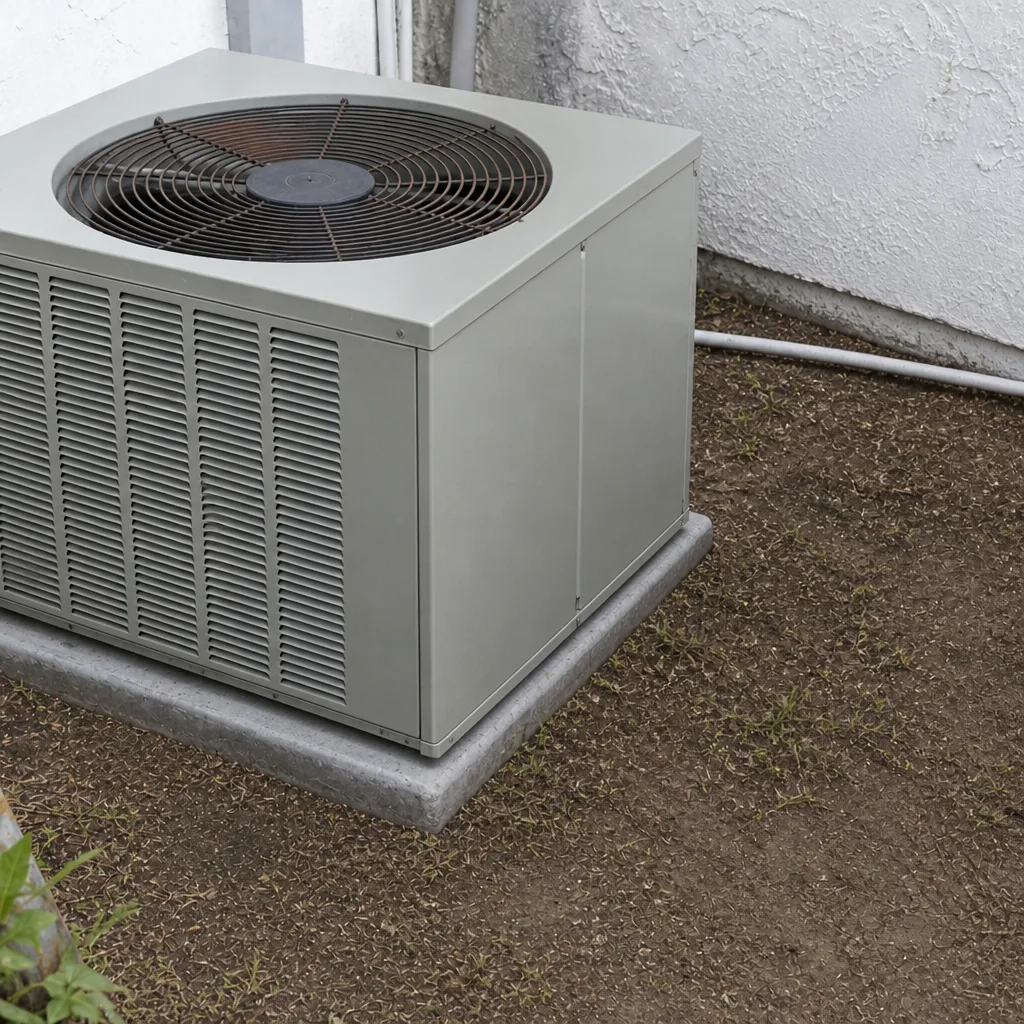
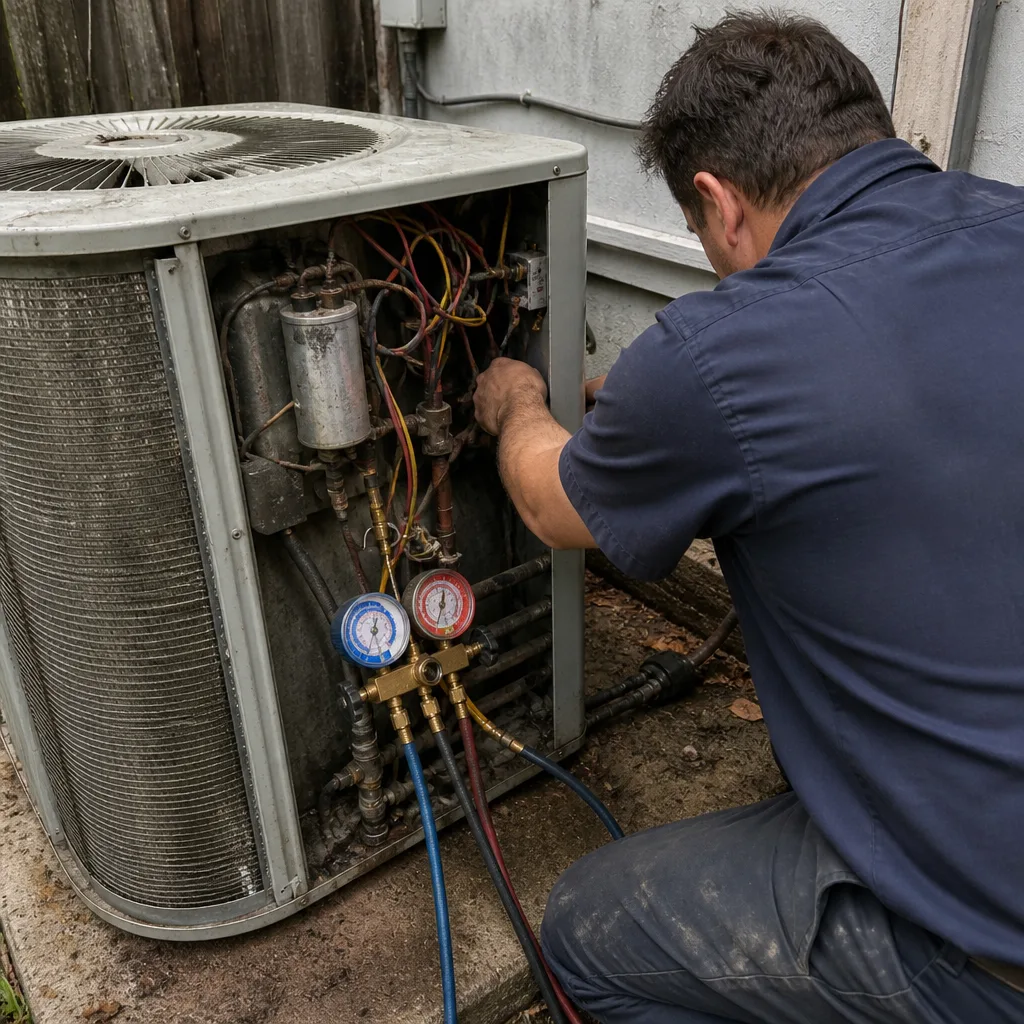
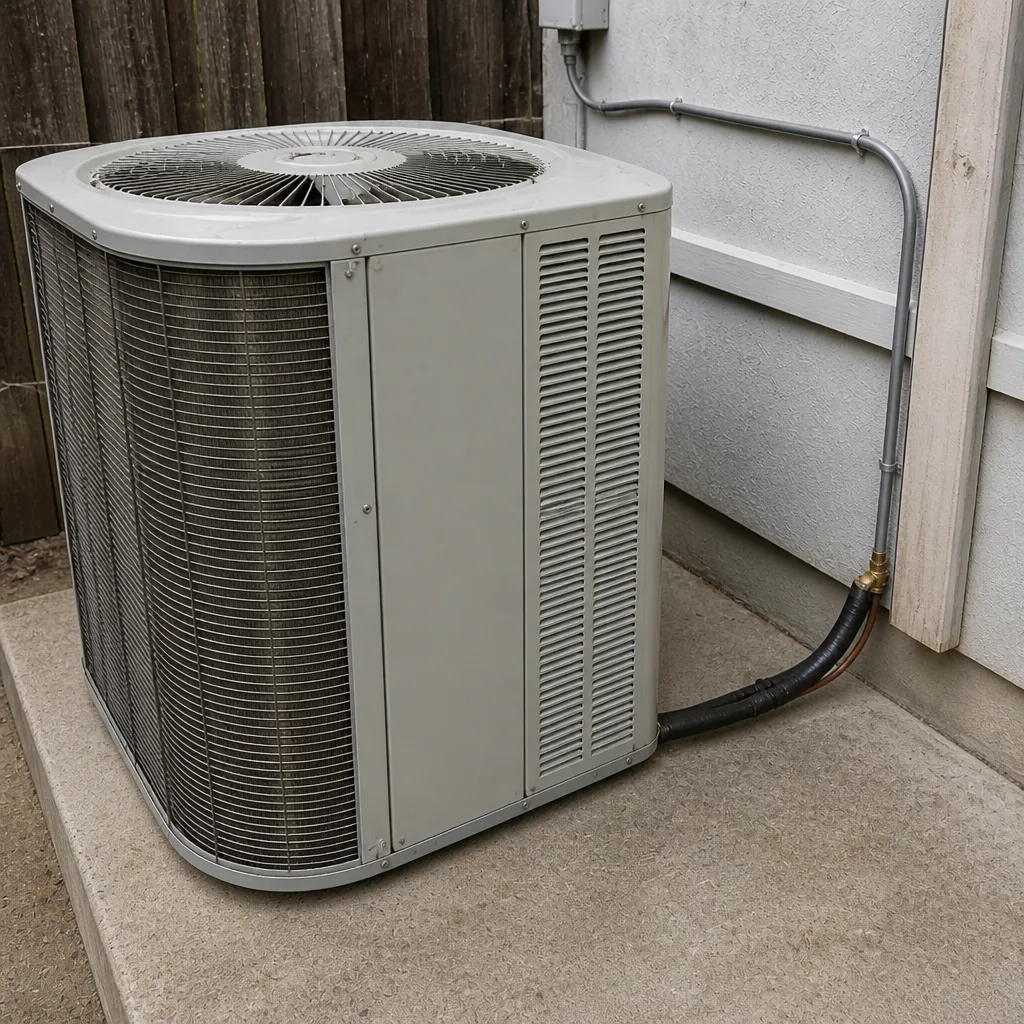
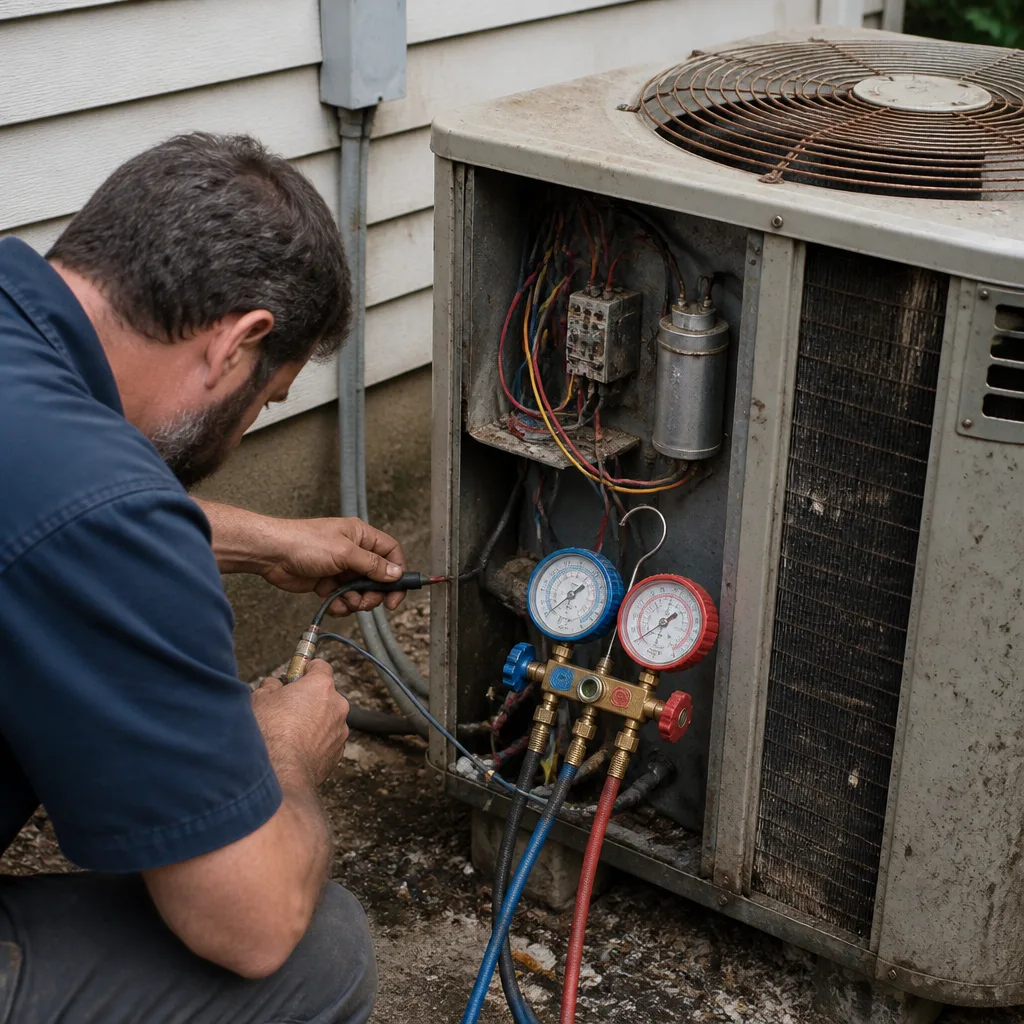
See the difference
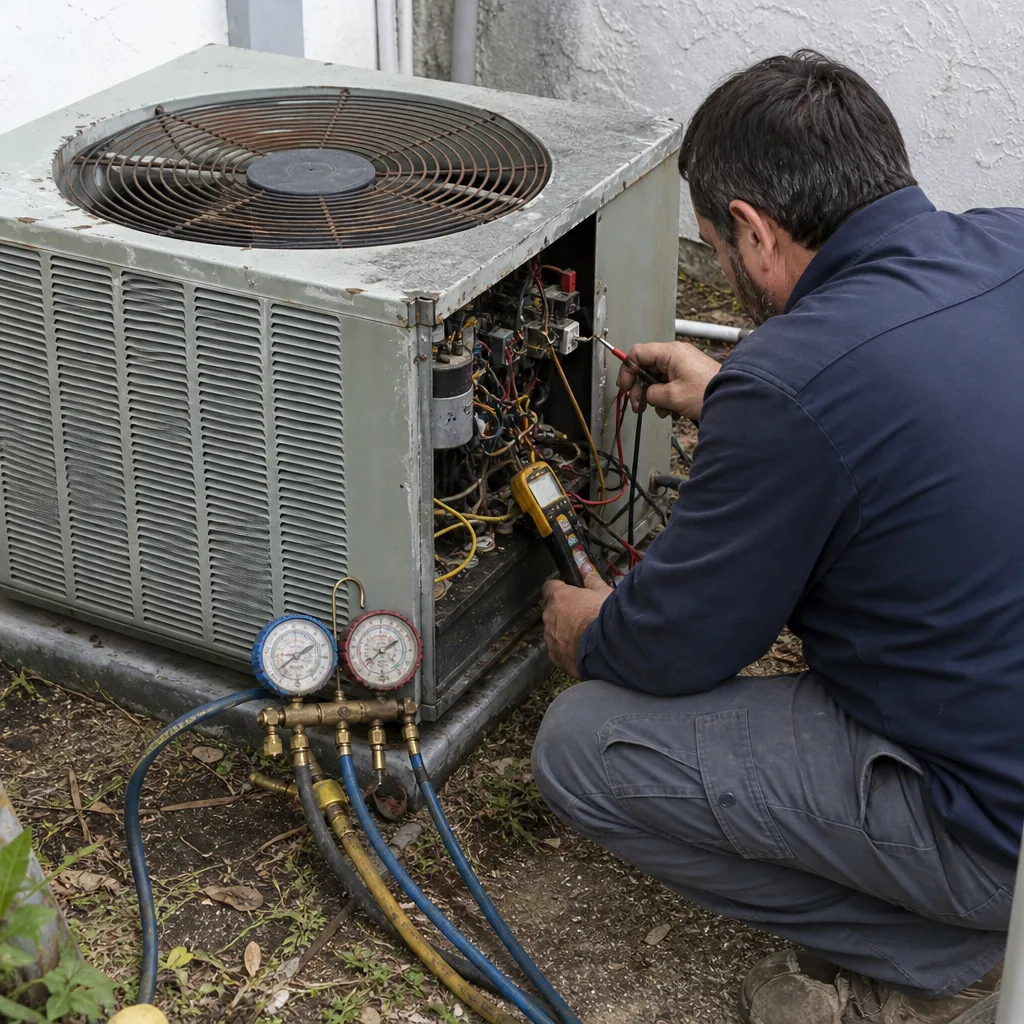 Before
 After
 Before
 After
 Before
 After
When to Call a Professional
Some HVAC problems genuinely wait for a scheduled visit; others don’t. Call us if you have no cooling on a hot afternoon, if the system won’t heat during a cold snap, if you smell gas near the furnace, if you see water pooling by the air handler, if the breaker trips repeatedly when the system runs, or if the outdoor unit is making grinding or screeching sounds. We also want to hear from you if a quote you’ve received looks off and you’d like a second opinion before signing. AC Repair Riverview offers free estimates in Riverview – call (888) 465-9784. We answer 24/7. Fast dispatch from 7am to 7pm, Sunday through Friday.
Frequently Asked Questions
Most single-family home replacements in Riverview fall between $8,000 and $11,000 installed in 2026, with the full range running about $6,000 to $14,000 depending on equipment tier, tonnage, duct condition, refrigerant, permit, and labor complexity. Entry-tier equipment at the low tonnages lands near the bottom of that range; premium variable-speed systems with duct improvements land near the top. The written estimate sets the final price. Call (888) 465-9784 for a free estimate – we’ll walk you through every line.
Repair usually wins when the system is younger, the repair is well under half the price of replacement, and the rest of the system is healthy. Replacement usually wins when the repair is a large fraction of a new system’s cost, when refrigerant is scarce, or when the system is at or near the end of its service life and repairs are stacking up. Age alone is not the deciding factor. Call (888) 465-9784 for a free estimate and a straight recommendation.
Because undersized returns, leaking boots, crushed runs, and uninsulated ducts in an attic reduce how much conditioned air actually reaches the rooms – and a new, higher-efficiency system can’t overcome that restriction without duct correction. Fixing the ducts is real labor and real material, which is where the $1,500 to $4,000 range comes from. A duct assessment before the quote catches this in advance instead of after. Call (888) 465-9784 to schedule a proper assessment.
Sometimes yes, sometimes no. It’s neutral when the financed total equals the cash total and the promotional rate is real. It costs more when the equipment price is padded to cover the financing, or when the 0% promotional rate rolls into a standard rate after the promo window. Compare both totals and ask about the post-promo rate. Call (888) 465-9784 and we’ll quote both cash and financed options on the same equipment.
Yes, same-day service is often available for AC and furnace repair in the Riverview area. Call (888) 465-9784. We answer 24/7. Fast dispatch from 7am to 7pm, Sunday through Friday. A call outside dispatch hours is booked into the next opening, Sunday through Friday, 7am to 7pm.
Yes. We service and install equipment from Carrier, Trane, Lennox, Goodman, Rheem, York, Daikin, Bryant, and American Standard – nine of the most widely installed residential brands. That brand-agnostic position means we recommend based on your home’s needs, not on a manufacturer relationship. Whether you have a Trane or a Goodman, we diagnose the system, not the logo. Call (888) 465-9784 to discuss your equipment.
The Bottom Line
The most useful thing you can do before signing an HVAC quote in Riverview is to read the line items and demand to know what each one pays for. Equipment, refrigerant, labor, permit, disposal, and margin all sit on their own lines – and a good quote explains each. Pair that with a proper duct assessment, a manual load calculation, and a cash-vs-financed comparison, and you’re in a position to judge the quote on its merits rather than the rapport of the salesperson. Our technicians have up to 10 years of experience, and they quote the same way they diagnose: methodically, on your home’s actual conditions. If you’re ready for a free estimate in Riverview, call (888) 465-9784.
Learn more about our full service scope and coverage in Riverview, or start from our main AC Repair Riverview page if you’re exploring your options from the top.
Written by the team at AC Repair Riverview.