
Last updated November 16, 2026
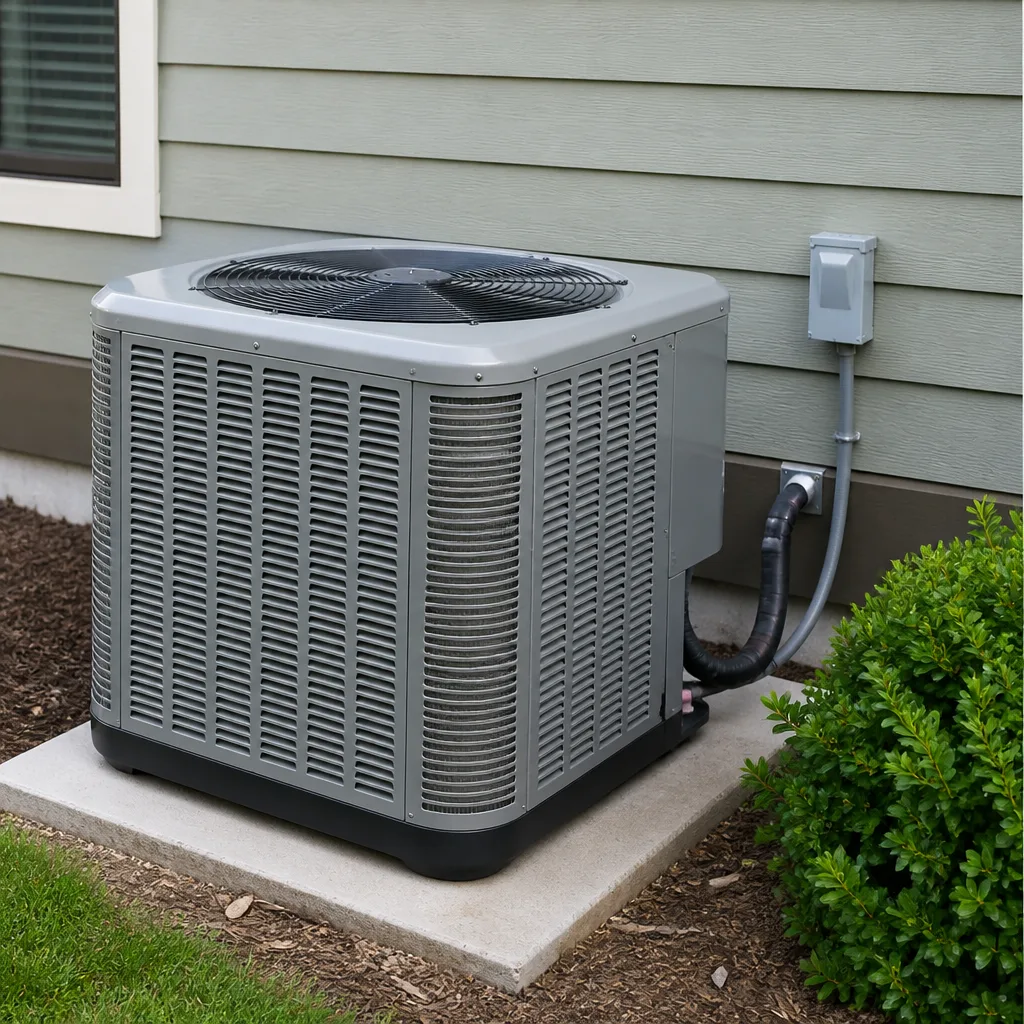 AC repair
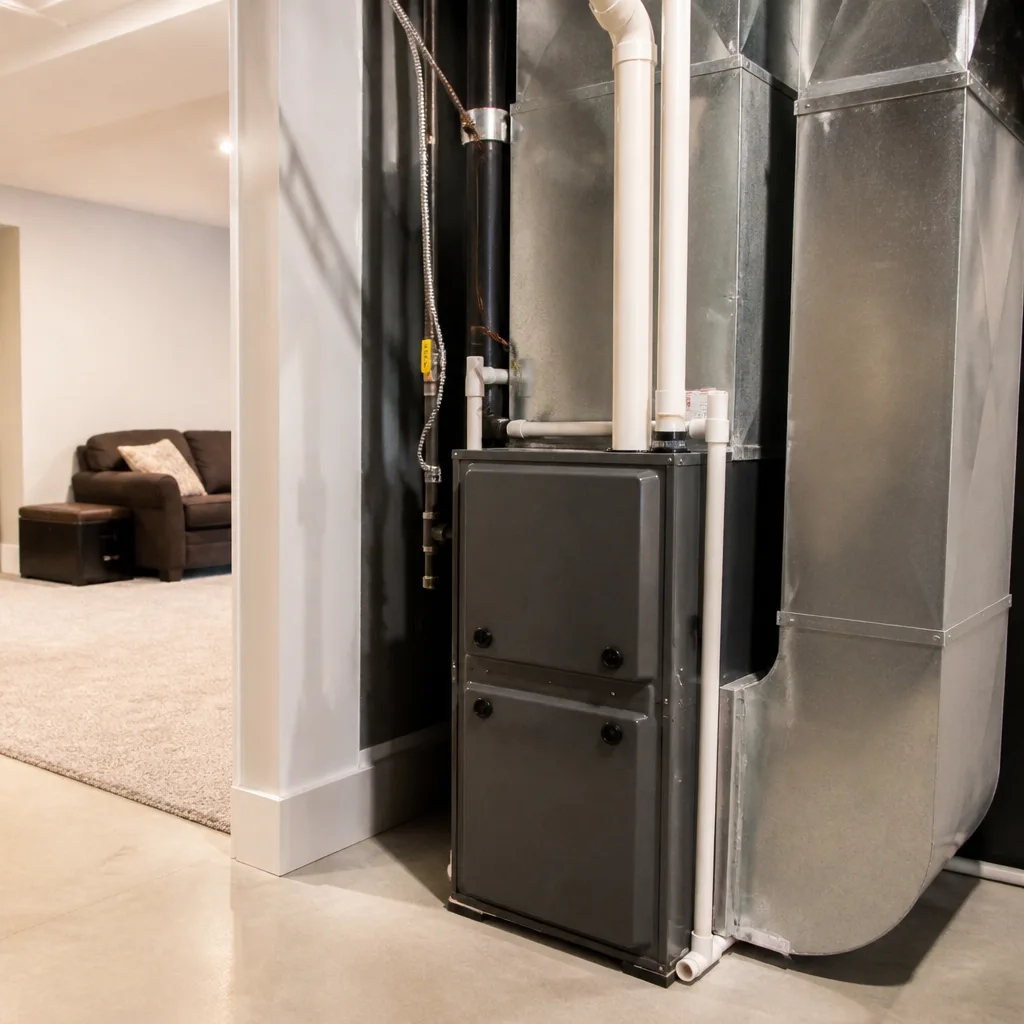 Furnace & heating
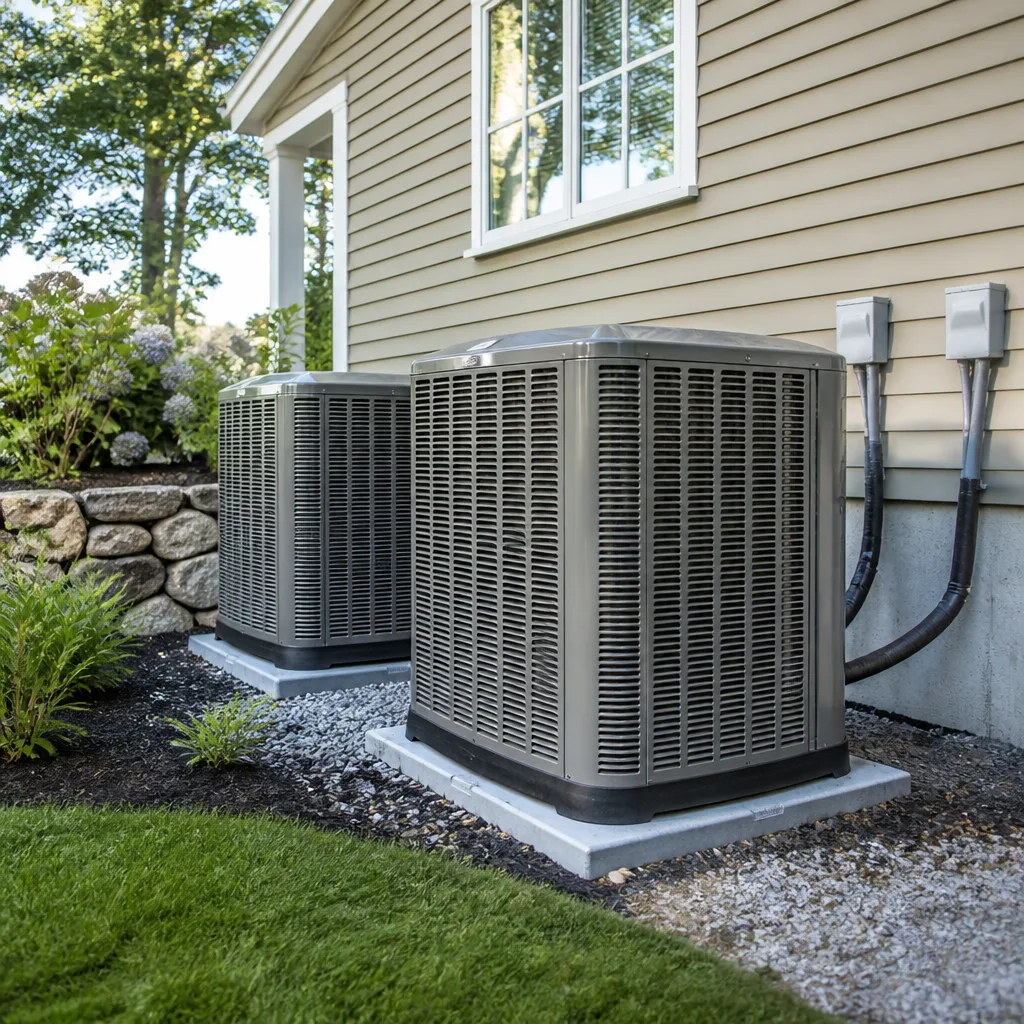 Heat pumps
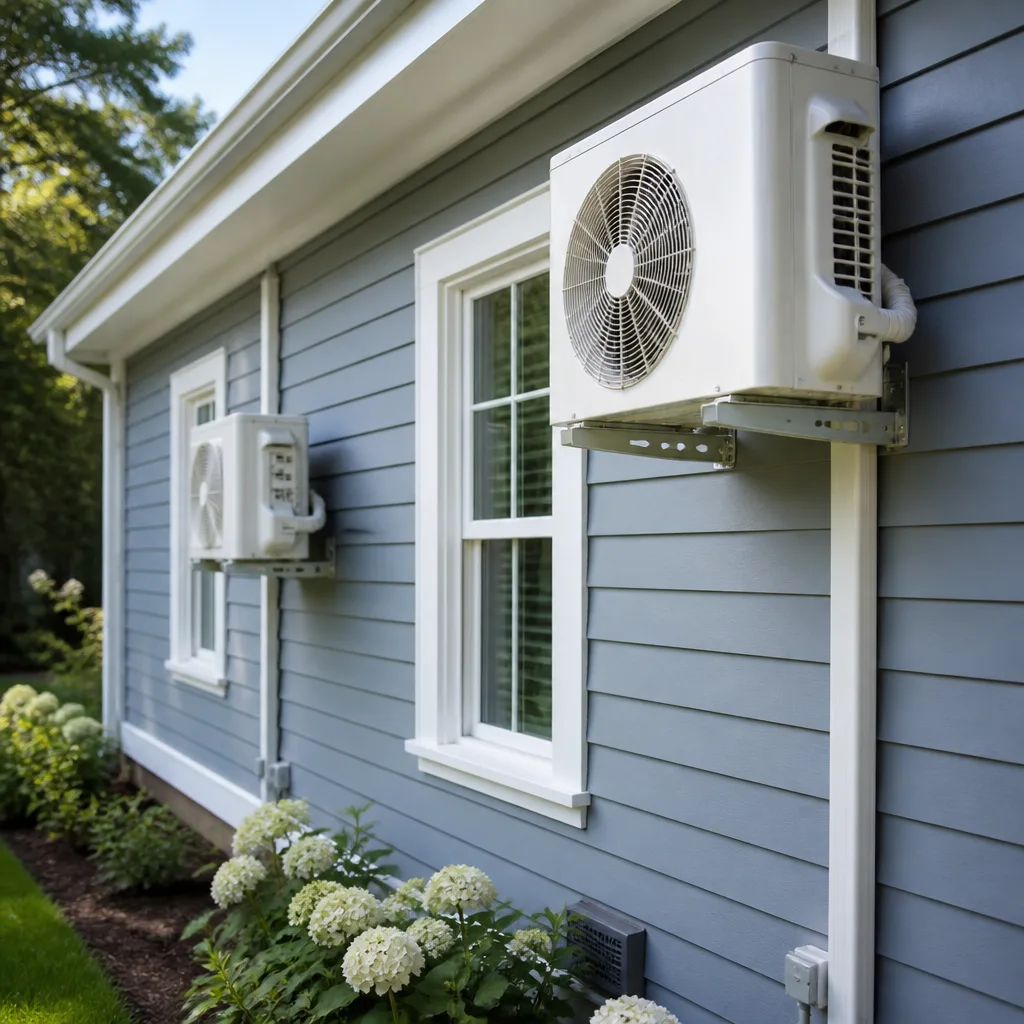 Ductless mini splits
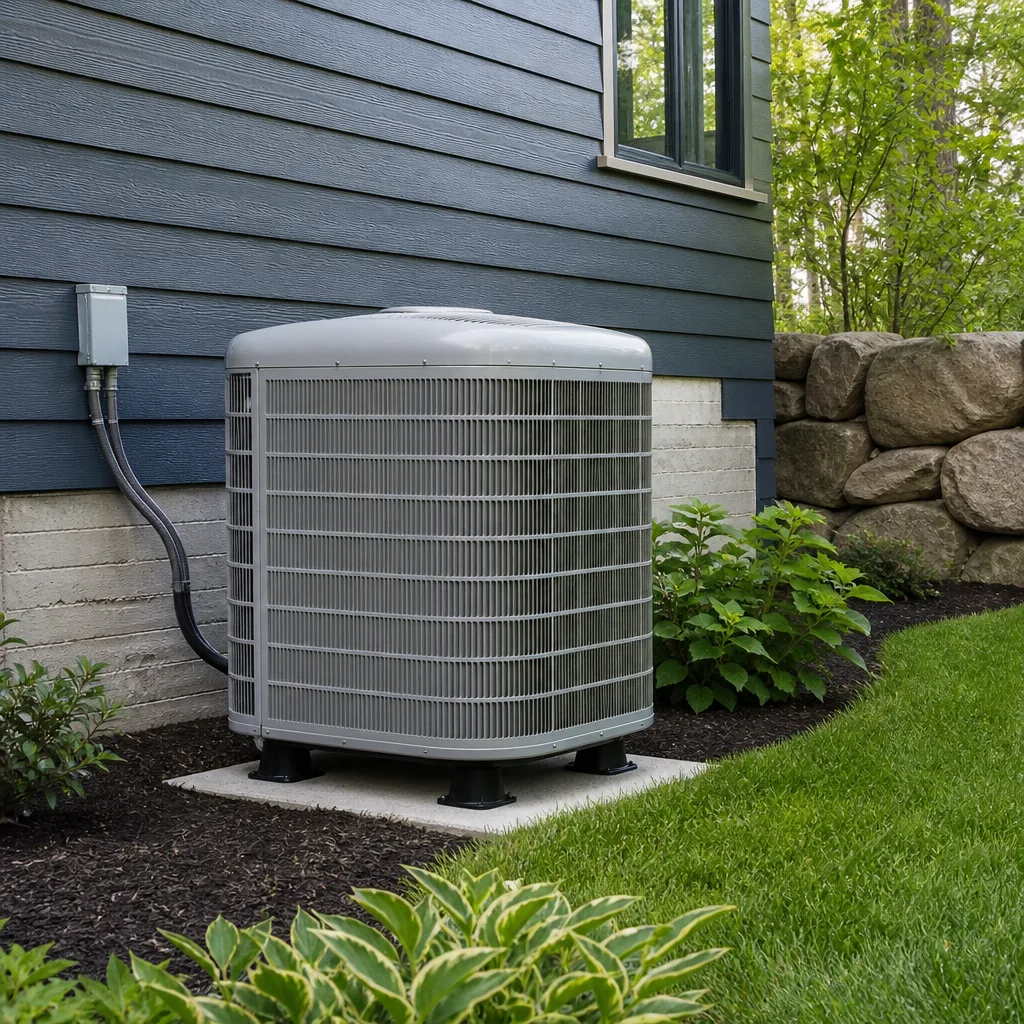 Carrier
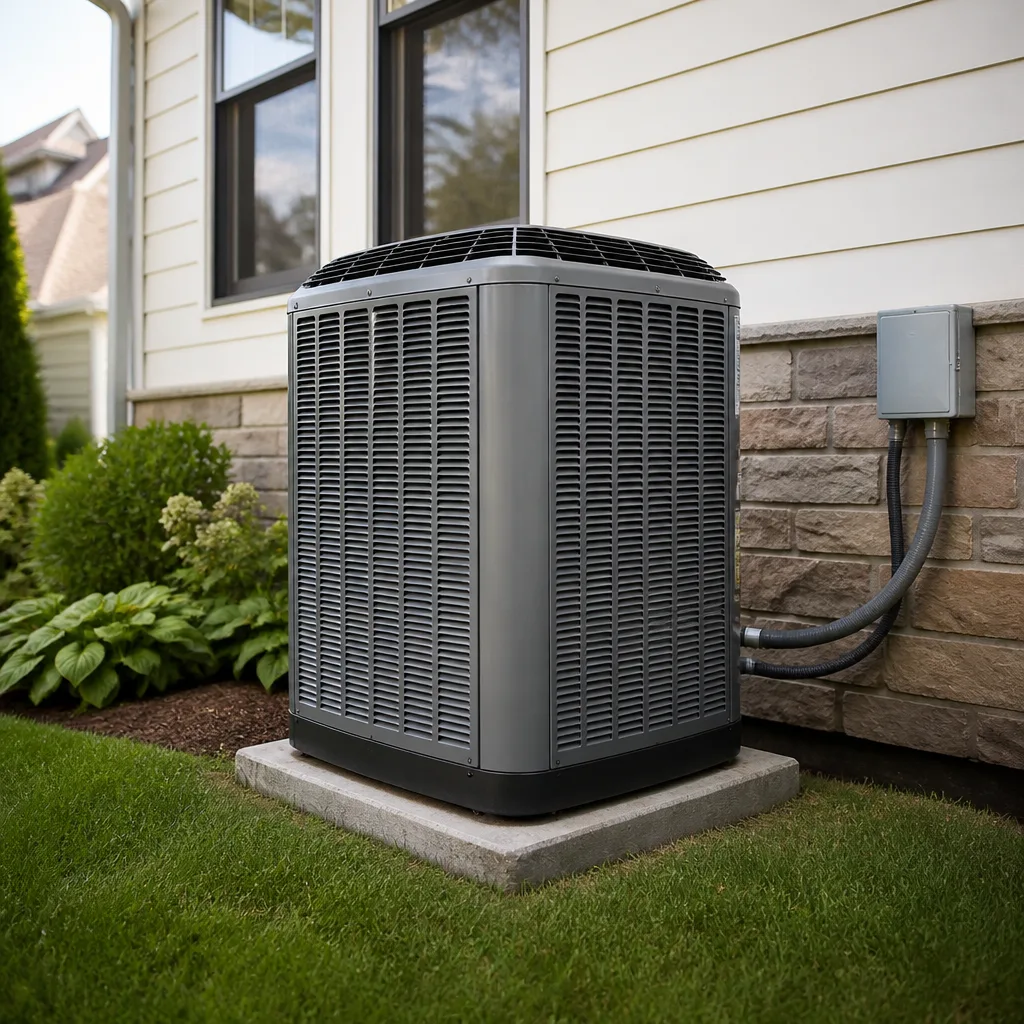 Trane
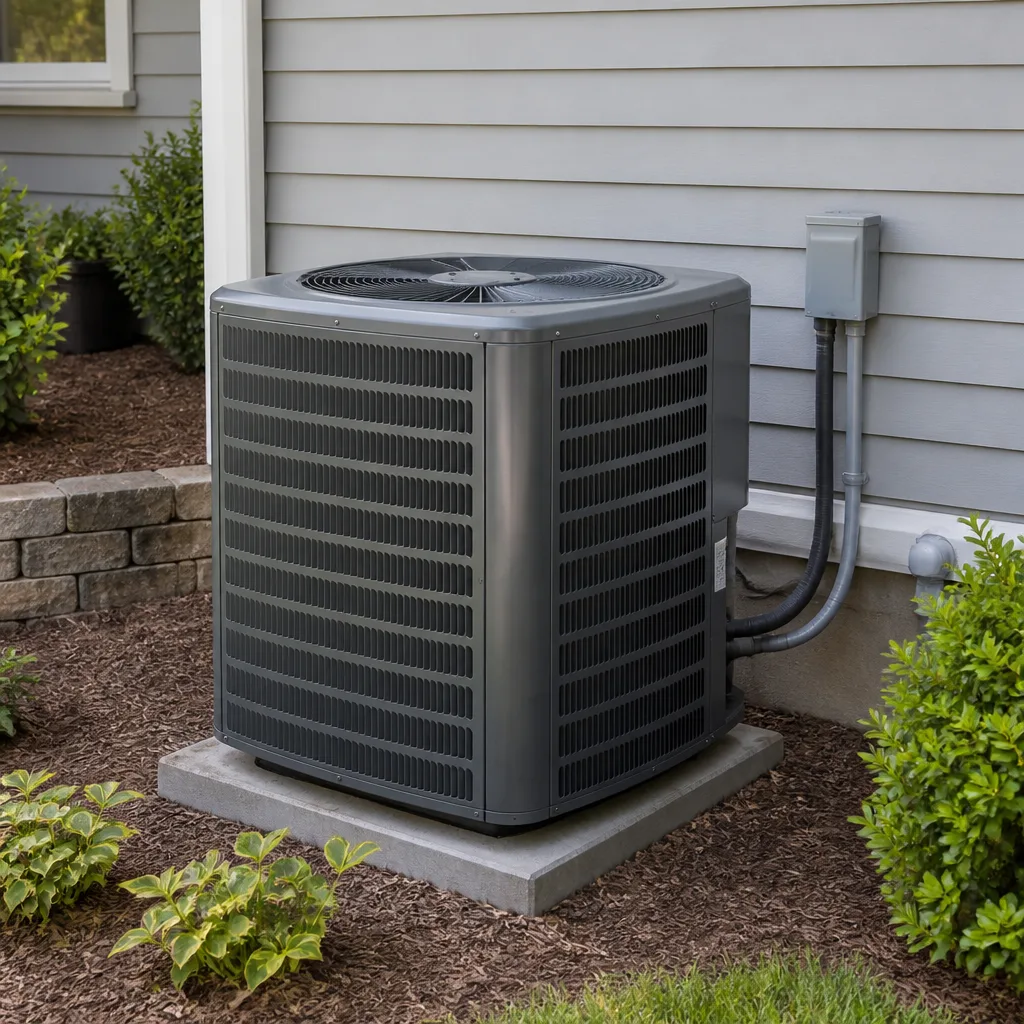 Goodman
Seasonal tune-up and full diagnostic on your Carrier, Trane, or Goodman system - readings shown to you before any repair is proposed
Diagnosis first, numbers second - you approve the repair price before a single part goes in.
Get your free estimateHVAC Warning Signs: A Riverview Homeowner’s Reference Guide
Most HVAC warning-sign guides tell you to watch for a system that won’t turn on. By the time yours won’t turn on, you’re already in the middle of a repair on the hottest week of the year in Riverview. The signals that actually matter show up weeks or months earlier, and they’re quieter than you’d expect: a bedroom that runs a degree or two warm, a bill that crept up compared to last summer, a system that seems to run a little longer before it shuts off. None of those feel like emergencies. All of them are information. This guide translates those early signals into things you can actually observe and measure at home – bill comparisons, a temperature reading at the vents, the specific sounds a failing part makes – so you can decide what needs a call now and what can wait.
Quick Answer
Early HVAC warning signs usually show up as small changes: a utility bill higher than the same month last year without a rate increase, a supply-vs-return temperature split that’s dropped below roughly 16 to 20 degrees Fahrenheit, short-cycling every few minutes, new rattling or clicking from the outdoor unit, or water collecting near the air handler. Catching any of these in Riverview before they become a no-cooling call is usually cheaper than the breakdown that follows. If two or more show up at once, it’s worth a professional look.
Styles & brands we work with
- AC repair
- Furnace & heating
- Heat pumps
- Ductless mini splits
- Carrier
- Trane
- Goodman
Table of Contents
- The Utility Bill Comparison Method
- Temperature Differential Testing at the Vents
- Mapping Sounds to Components
- Why Short-Cycling Damages Itself
- Condensate and Moisture Clues
- Filter, Coil, and Airflow Signals
- Common Mistakes to Avoid
- When to Call a Professional
The Utility Bill Comparison Method
Your utility bill is the cheapest diagnostic tool you already own. The trick isn’t looking at the total – it’s comparing the same month across two years, because that isolates your system’s efficiency from seasonal cooling demand. A bill that’s higher than expected only means something if you can rule out the obvious causes first.
Work through it in this order:
- Pull the same month from last year. A July bill against last July’s bill is a fair comparison. July against May tells you nothing useful.
- Check whether rates changed. Utilities in and around Hillsborough County adjust rates, and a rate increase shows up on every bill, not just yours. If the per-kilowatt-hour number moved, the comparison resets.
- Account for the weather. A hotter summer than last year drains more energy from any system. Ask whether the season was meaningfully different before you blame the equipment.
- Look at usage, not the dollar figure. Kilowatt-hours are the honest number. Compare your kWh for the month against last year’s kWh for the same month.
- Flag a swing. Usage higher than the previous year in the same month, with rates roughly flat, is the signal. It means your system is working harder to do the same job – a classic early sign of a refrigerant charge that’s drifted low, a coil that’s fouled, or a blower that’s losing efficiency.
One month is a data point. If you see the same pattern across two consecutive months of like-for-like comparison, that’s a trend, and it’s worth a professional test. Systems can lose a little capacity year over year as coils collect dirt and components age, so a modest drift isn’t automatically a failure. A sharp jump is different.
Temperature Differential Testing at the Vents
A thermometer is the second diagnostic tool you can use without any training. The temperature split between the air going into the return and the air coming out of a supply vent tells you how much cooling your system is actually delivering at that moment. When the split shrinks, the system is moving less cooling or losing efficiency somewhere in the loop.
Here’s how to measure it, safely and simply:
- Let the system run at least 15 minutes so it settles into a steady cycle.
- Take a reading at the return grille where air is being pulled in – a thermometer placed in the airstream for a minute or two.
- Take the same reading at a supply vent in the room you’re testing, ideally one reasonably close to the air handler.
- Subtract the supply temperature from the return temperature.
What the numbers mean:
- Roughly 16 to 20 degrees Fahrenheit – in the range a healthy residential system delivers on a typical cooling day. Not a guarantee of health, but a reasonable reading.
- 12 to 16 degrees – the split is thin. Common culprits are a clogged filter, a dirty indoor coil, a blower moving less air than it should, or a refrigerant charge that’s dropped.
- Under 12 degrees – the system is barely cooling. This is the point to stop testing and call, because you may be running the compressor against a low charge and doing damage.
- Over 20 degrees – possible low airflow. A system starved of air can freeze its indoor coil and then stop cooling entirely.
Readings depend on outdoor temperature, indoor humidity, and how loaded your system is when you test it. Do the test in the middle of the day, not on a mild morning, so the number reflects real conditions. In Riverview, the summer humidity means even a well-charged system may run a modest split for longer cycles, because part of its job is pulling moisture out of the air, not just cooling it.
Mapping Sounds to Components
Most HVAC failures announce themselves audibly before they fail. But the sound matters, because different components fail in different ways. Listen to your system the way you’d listen to a car – not waiting for a bang, but noticing the small changes to the normal routine.
A loud clicking at the outdoor unit
A sharp, repetitive click – sometimes a click followed by the compressor failing to start, then another click – is often a weak capacitor. Start and run capacitors live on compressor and fan circuits and degrade over time. A failing one can leave the compressor unable to start cleanly, and repeated attempts put stress on the compressor winding. Clicking that repeats every few seconds is worth a look right away.
A long, low groan or hum before shutdown
A groan that gets louder and more strained as the compressor works, or a hum as the system shuts off, can point toward the compressor itself. This is the one sound you don’t want to gamble with – a compressor is the most expensive part on your system, and low refrigerant charge or airflow restriction is exactly what damages it. If you hear this, call. Don’t cycle the thermostat to see if it comes back.
A whistle or whoosh at the indoor air handler
Air-handler sounds are airflow sounds. A whistle or whoosh when the blower runs commonly means a dirty blower wheel or a filter that’s badly clogged. A blower wheel can collect enough dust to unbalance, which makes the motor work harder and can develop into a vibration or a rumble. That’s why the blower wheel actually needs a technician to inspect it, not just a fresh filter.
A rattle or metal-on-metal buzz
Loose screws and panel vibration are the benign version. A metallic buzz that persists can point to a failing fan bearing or something loose inside an outdoor unit. If the outdoor unit has Bryant or Daikin equipment in it, the housing and fan assembly designs differ from older Rheem or York units, and a technician familiar with the brand can usually identify a bearing or mount problem quickly by ear and by touch.
One practical rule: get a baseline now, while the system is running quietly. Then a change in the sound is easy to notice. If you only start listening after a strange noise starts, you have nothing to compare it to.
Why Short-Cycling Damages Itself
Short-cycling is the system turning on and off too often – running for a few minutes instead of a long, steady cycle. It’s worth understanding because it’s both a symptom and a cause: whatever made it start cycling is doing damage, and the cycling itself wears out parts.
The cycle is simple to time. Watch the outdoor unit and the thermostat together:
- Note the time when the system starts a cooling cycle.
- Note the time when the system shuts off.
- Note how long it stays off before it starts again.
- Repeat across two or three cycles to get a sense of the pattern.
What’s normal: a healthy residential air conditioner in a Florida summer typically runs in long stretches – often 15 to 30 minutes or more – because it’s removing both heat and humidity. Shorter than that, with only a few minutes of off time, is short-cycling.
Common causes, in rough order of how often we see them:
- A thermostat that’s misreading the room – sometimes a thermostat placement issue, sometimes a failing sensor.
- A refrigerant charge that’s off – under- or over-charged systems cycle because compressor pressure hits limits.
- A dirty filter or a restricted coil – the system cools the air handler, trips a safety, shuts off, resets, and starts again.
- An oversized system – if the system was sized for a much larger house than yours, it cools quickly and shuts off before it does real dehumidification.
- A failing part – a capacitor, contactor, or control board that’s cutting the cycle early.
Why it matters: every start is a surge of current through the compressor. Cycling dozens of times a day wears a compressor in a way steady running doesn’t. A short-cycling system also never gets the long, steady run it needs to pull humidity out of a Riverview home, so the house feels clammy even though the thermostat reads cool. That’s the reason to treat short-cycling as a symptom to find, not a quirk to live with.
Condensate and Moisture Clues
In a humid climate, the moisture your air conditioner pulls out of the air has to go somewhere. When it doesn’t go where it should, the water is doing damage long before it reaches the ceiling, a wall, or your flooring. Cold, damp spots on the air handler cabinet, a wet section of attic deck, or a damp patch of insulation are early clues that a drain line or the coil has a problem.
The plumbing to watch:
- A clogged drain line – one of the most common calls we get. Algae, dust, and biofilm collect in the condensate line, the drain pan fills, and if the float switch works, it shuts the system off. If it doesn’t, water overflows.
- A drain pan that’s not draining – if the pan holds water after the system cycles off, the drain or the trap has a problem.
- Ice on the indoor coil – that’s the freeze-and-melt cycle. Ice forms on a coil starved of airflow or low on charge, then drips into places it wasn’t designed to go.
- Water staining under the air handler – on the concrete, the attic deck, or the ceiling below, a gradual stain means water has been finding a way through for a while.
- A musty smell at the vents – often a wet pan, a wet coil, or a wet section of duct. It’s the small version of the problem you don’t want to let grow.
If you see water and the system is still cooling, shut it off at the thermostat before you go looking. Standing water near an electrical air handler or inside an attic ceiling is genuinely dangerous, and the system running adds heat and stress to a problem that’s already there. Then call. A drain line issue is often a short, straightforward service; a coil issue is more involved, and the sooner it’s diagnosed the less collateral damage there is.
Filter, Coil, and Airflow Signals
Airflow is the part of HVAC most homeowners can manage themselves. The filter is the cheapest service item on the system, and how often it needs replacing in a Riverview home depends on how much dust and pollen find their way inside – and on whether there’s a pet, a lot of foot traffic, or construction nearby. A filter that’s only lightly grayed over is probably fine; one that’s visibly matted with dust is suffocating the system.
Signals worth checking against your filter and coil:
- Weak airflow at the vents – the system is running, but the air from a supply vent barely moves a tissue. Before blaming the system, check the filter.
- One room warmer than the rest – sometimes a duct issue, but a partially blocked coil or a blower wheel that’s losing airflow can present this way. It’s also the most common way a low-refrigerant charge shows up in a two-story home. That upstairs bedroom that struggles in July is often the first clue a system is under-charged.
- A musty smell at the supply vents when the system starts – a wet coil or a wet drain pan. So’s a wet indoor coil that never has time to dry between cycles, which is what short-cycling causes.
- Frost on the refrigerant line at the outdoor unit – a frosted suction line is a classic sign of an under-charged system or restricted airflow. Shut the system off at the thermostat and call. Do not try to add refrigerant yourself or run it to see if it corrects.
Refrigerant isn’t like fuel – a sealed system doesn’t use it up. A low charge means the system has a leak somewhere. That leak needs to be found and fixed; topping it off periodically isn’t a repair, it’s a maintenance cycle that costs more every time. A qualified technician can test the charge, check the coil, and tell you whether the issue is airflow or refrigerant – which matters, because the two look similar and the fixes are completely different.
Common Mistakes to Avoid
- Topping off refrigerant instead of finding the leak. A low charge always means a leak. Adding refrigerant without finding and fixing the source is a solution that costs the same again next season, and it lets the compressor run undercharged in the meantime.
- Cycling the thermostat to “test” a struggling system. Every restart is a surge through the compressor. If the system just clicked off or is short-cycling, turning it back on repeatedly risks the most expensive part on your equipment.
- Ignoring a smell at the vents. A musty smell from a wet coil, pan, or duct is a moisture problem that gets worse in a Riverview summer. What you notice on day one is small; what it becomes over a month of use isn’t.
- Buying the biggest system you can afford. An oversized system on a Riverview home cools quickly and shuts off before it dehumidifies. You end up with a cool, clammy house and more cycling. Sizing is based on your home, not the brochure.
- Choosing a contractor by the brand on the truck. Any tech can install any brand. What matters is whether the company can diagnose the system you already own – whether it’s a Rheem, a York, a Daikin, or a Bryant – before it starts recommending a replacement. Ask what happens when the brand is one they don’t stock.
- Assuming a higher bill is just “summer.” Compare the same month against last year. If usage is up and rates are flat, the equipment is telling you something. The bill is a free diagnostic – use it.
- Treating water damage as a minor issue. Water under the air handler, a stain on the ceiling below, or a wet attic deck are signs to shut the system off and call. Water and electricity in the same enclosure short out controls and, in the worst case, create a shock risk.
When to Call a Professional
Some signals are worth a check-up; some are worth a call today. Call a professional promptly if:
- The supply-vs-return split is under roughly 12 degrees Fahrenheit on a hot day.
- The system is short-cycling – on for a few minutes, off for a few, all day.
- The outdoor compressor hums, groans, or keeps clicking without starting.
- You see frost on the refrigerant lines, or ice on the indoor coil.
- Water is pooling near the air handler, staining a ceiling, or wetting attic insulation.
- Your bill is meaningfully up against the same month last year, with rates roughly flat, across two straight comparisons.
- Your house is cool but clammy – the system is running, but humidity stays high.
We offer AC Repair Riverview services for systems from all nine major residential brands, and our technicians have up to 10 years of experience diagnosing these exact symptoms. We’re based in Riverview and work the full lifecycle – repair, replacement, and new install. Our technicians are not paid on what they sell, so the honest answer to “repair or replace?” is what you get. AC Repair Riverview offers free estimates in Riverview – call (888) 465-9784.
See the difference
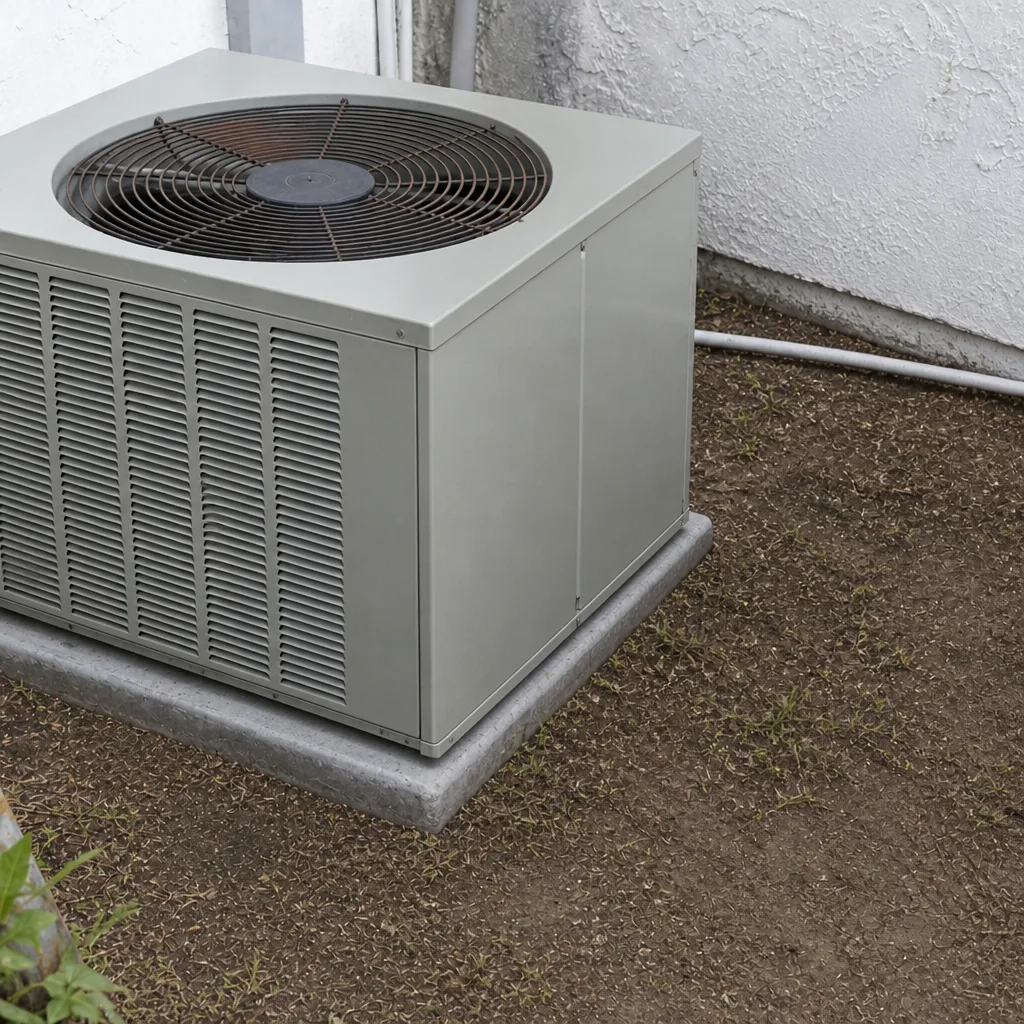
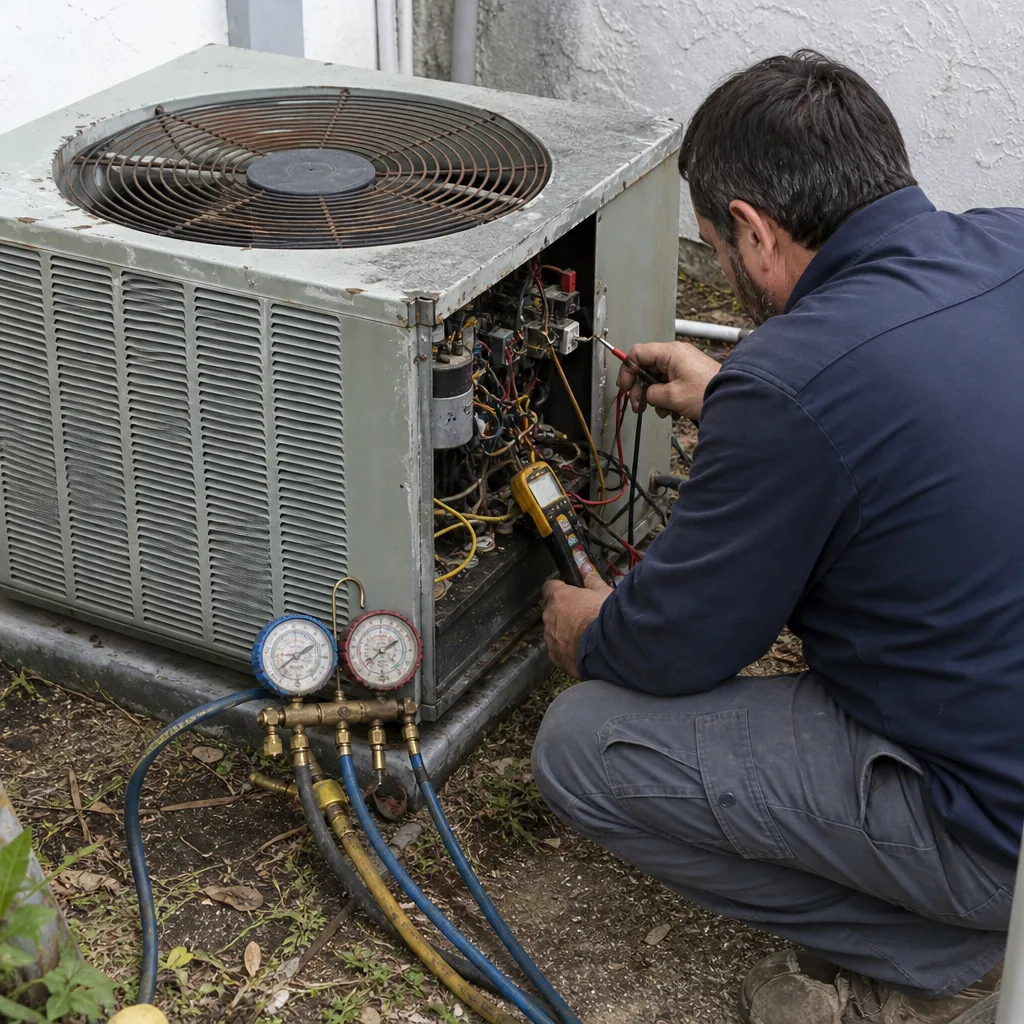 Before
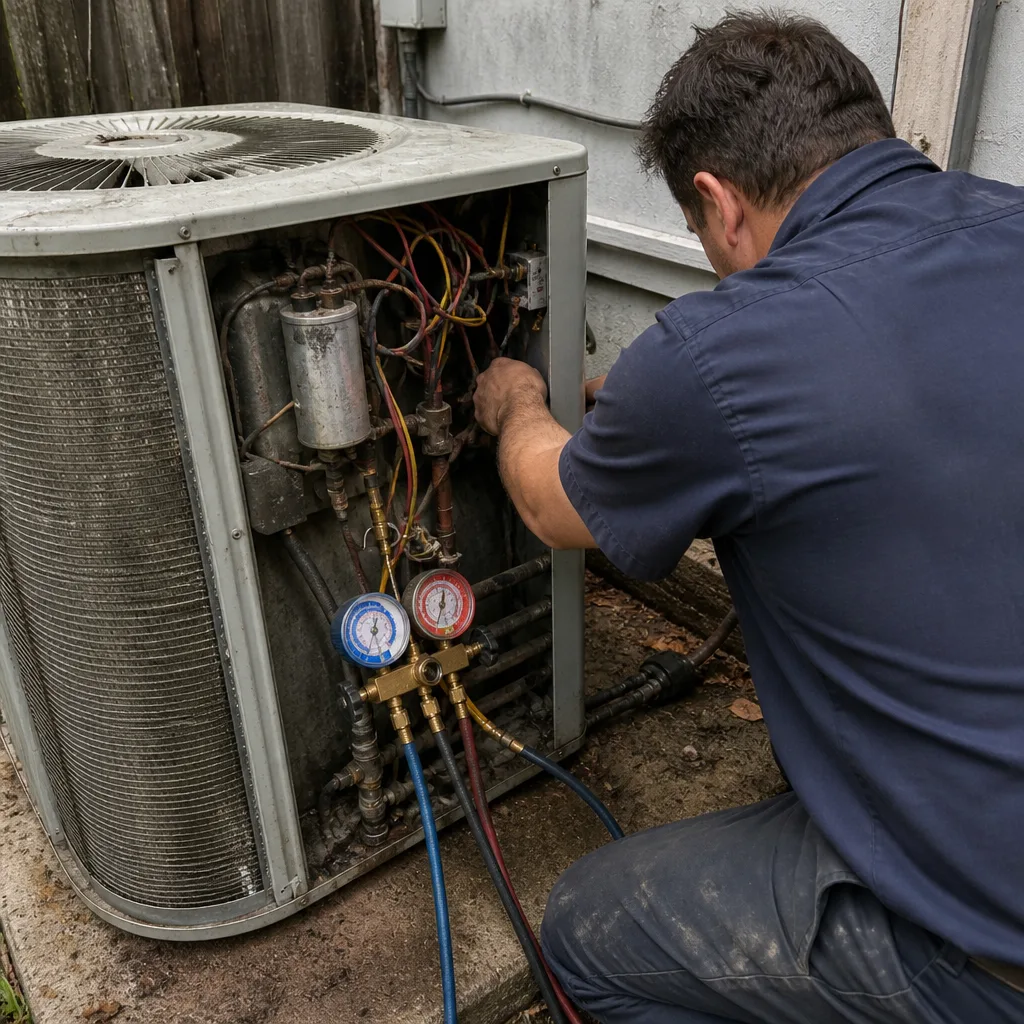
 After
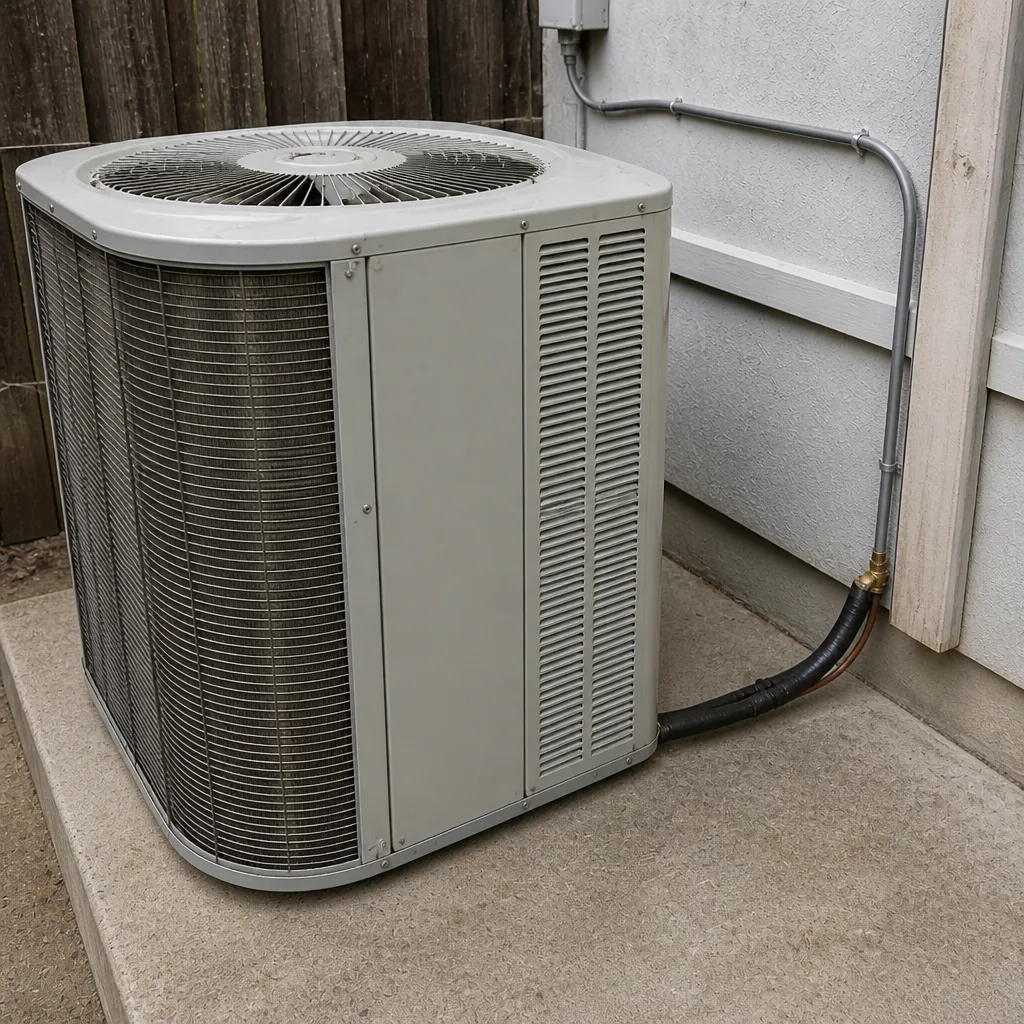
 Before
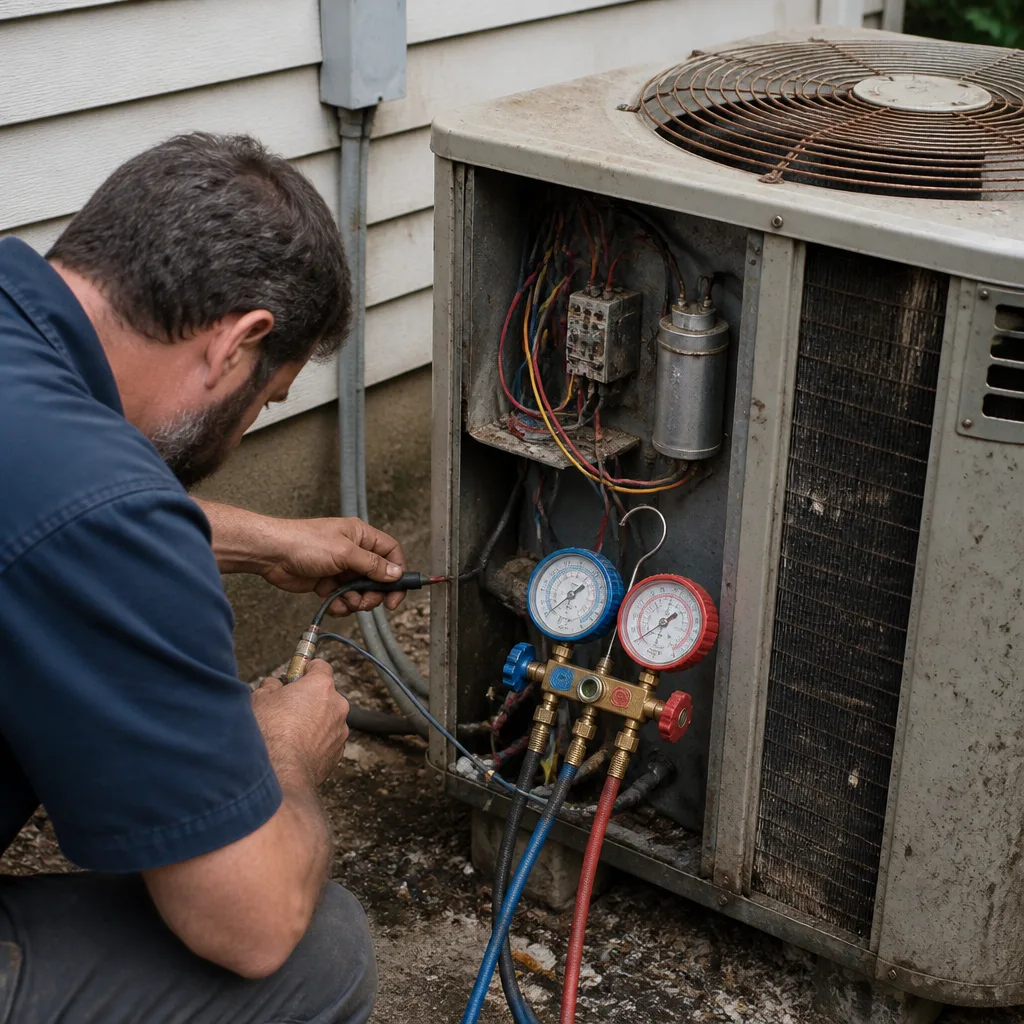
 After
 Before
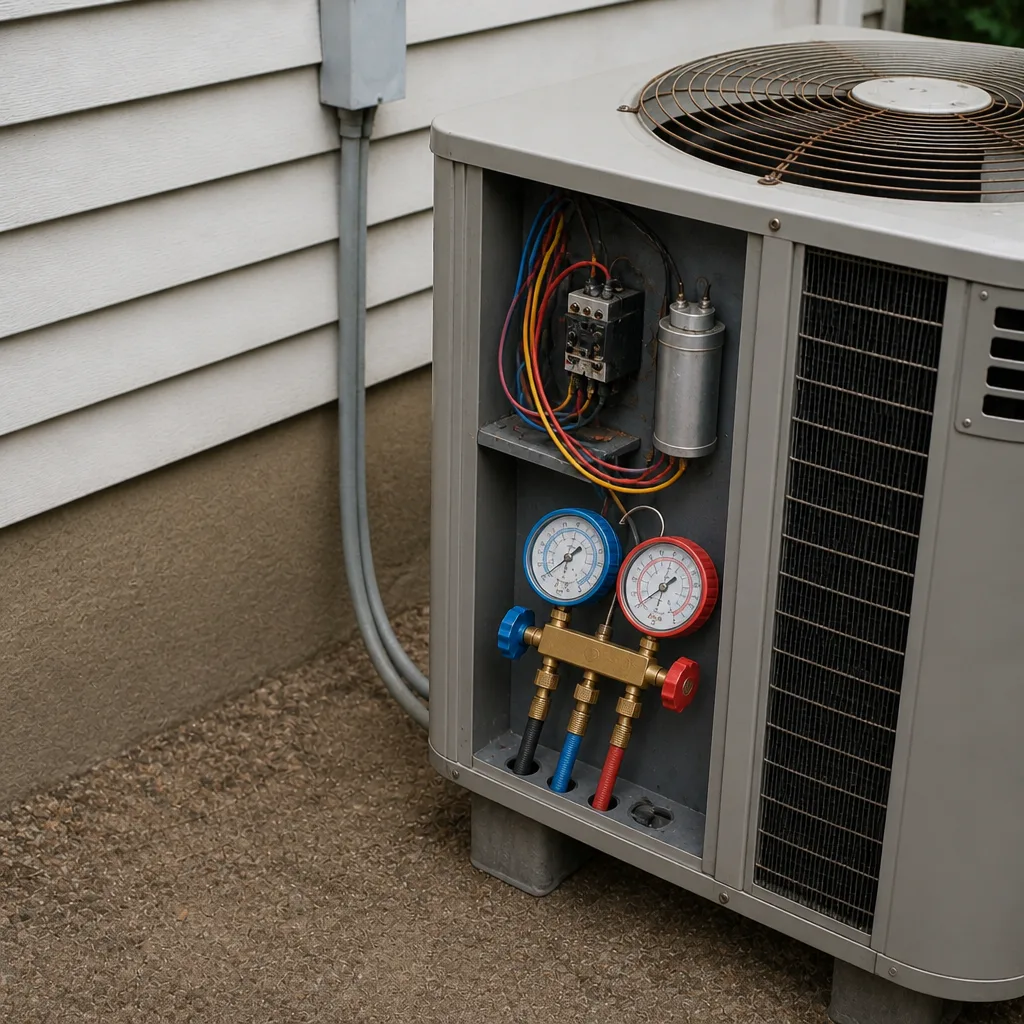 After
Frequently Asked Questions
The most reliable at-home clue is a temperature split at the supply and return that’s dropped below roughly 12 to 16 degrees, combined with frost or condensation on the suction line at the outdoor unit and a bill that’s above last year’s same month. You can’t confirm a refrigerant charge without gauges – a technician has to measure system pressures against outdoor temperature. What you can do is rule out the obvious causes first, like a clogged filter, before you call. Call (888) 465-9784 for an exact quote – estimates are free.
A failing capacitor often produces a sharp, repeating click at the outdoor unit, sometimes followed by the compressor trying to start and failing. You may also hear a hum with no fan movement, or the compressor cycling on for a second and off. A weak capacitor is a common, relatively inexpensive repair, but letting the compressor keep trying to start under a bad capacitor can damage it. If you hear the click start, call. Estimates are free – call (888) 465-9784.
Compare the same month across two consecutive years at least once each season – ideally after the first full month of summer and after the first full month of winter. Florida’s cooling season runs long, so July and August are your best cooling-efficiency comparison months. Check the per-kilowatt-hour rate first; if rates changed, use a weather-normalized view (or just ask us). A consistent year-over-year increase in kilowatt-hours, with rates flat, is a signal worth investigating before it becomes a no-cooling call.
It’s a real problem, not a quirk. Every start is a current surge through the compressor, and a system that cycles dozens of times a day wears its compressor faster than one that runs steadily. It also never runs long enough to pull humidity out of your Riverview home, so the house feels damp. Find the cause – the thermostat, the charge, airflow, or a failing part – rather than turning the system back on each time it trips. Call (888) 465-9784 if it’s cycling – estimates are free.
It can be. A two-story Riverview home often has a slight upstairs lag because hot air rises, but a gap of more than a few degrees that grows in July is a common early signal of low refrigerant charge, restricted airflow, or a duct problem. The temperature differential test is the way to check: take a reading at an upstairs supply vent and compare it against the return. If the upstairs split is clearly weaker than the downstairs split, that’s worth a diagnostic. Call (888) 465-9784 for an exact quote – estimates are free.
It depends on the specific signal and the system’s age and condition. Low refrigerant from a leak is usually a repair if the leak can be located and fixed; a seized compressor or a coil that’s failed is often a replacement decision. We diagnose first, tell you what the actual fault is, and give you both numbers – repair cost and replacement cost – without steering you toward the bigger ticket. If a new system is the right call, our AC installation process includes a written fixed price and a set install date. Call (888) 465-9784 for a free estimate.
The Bottom Line
The early warning signs of a failing HVAC system are almost never dramatic. They’re a slightly warmer upstairs bedroom, a summer bill that doesn’t match last summer’s, a supply-return split that’s dropped a few degrees, a new click at the outdoor unit, or a slow drip under the air handler. Learn to measure the bill and the temperature split, listen to your system while it’s healthy so you’ll notice a change, and time the cycles so you know whether you have short-cycling. If two or more signals line up at once, call before the breakdown. A repair caught early is almost always cheaper than the compressor that follows it. If it’s the furnace side that’s acting up, furnace repair works the same way – find the early signal, act before the no-heat call.
Call (888) 465-9784 for a free estimate. We answer 24/7. Fast dispatch, 7am-7pm, Sunday through Friday.
Written by the team at AC Repair Riverview.