
Last updated November 16, 2026
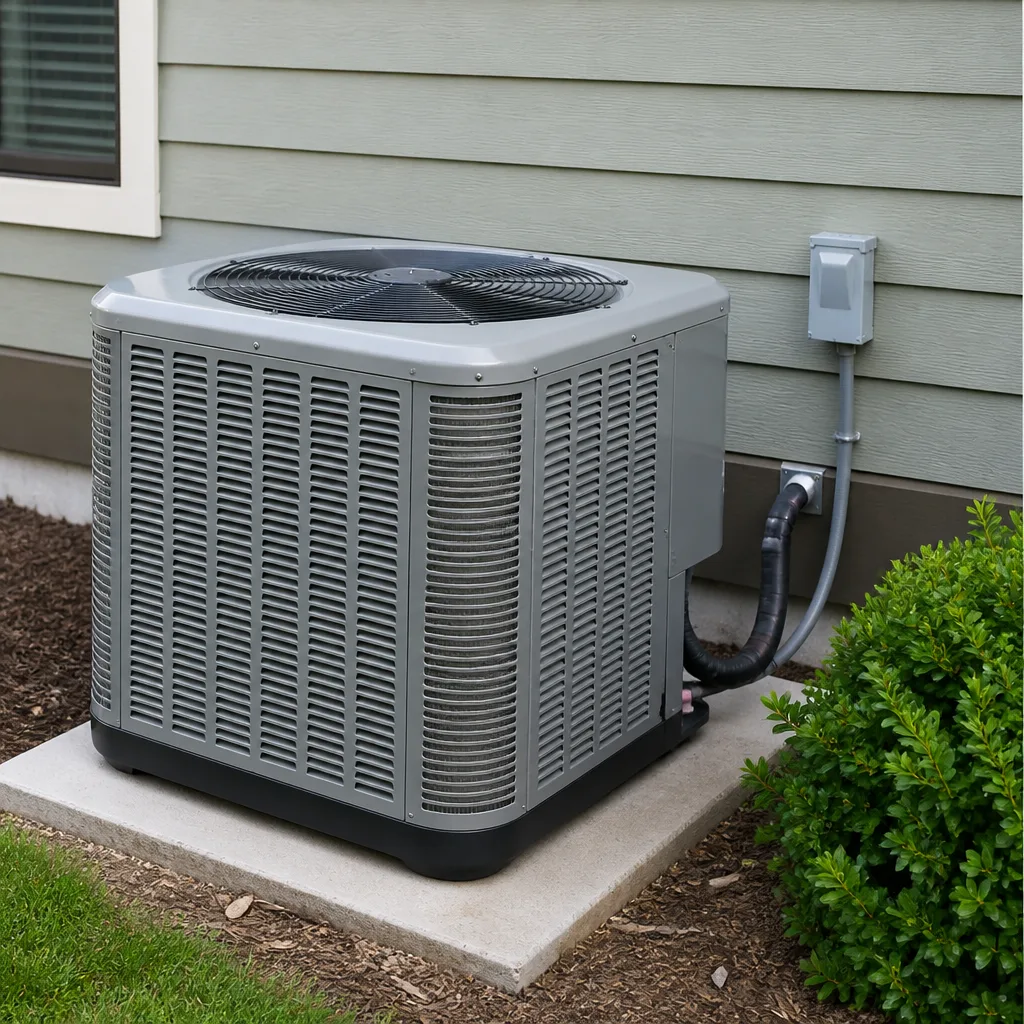 AC repair
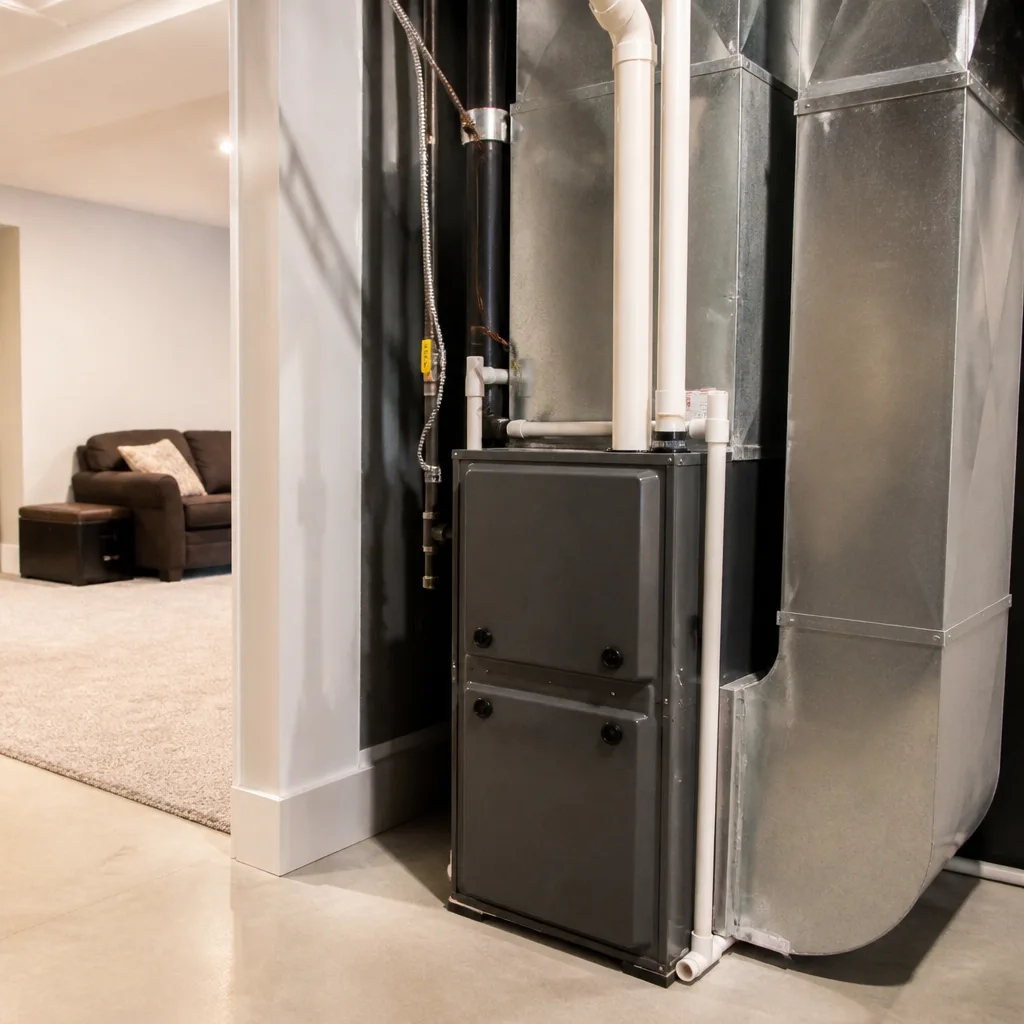 Furnace & heating
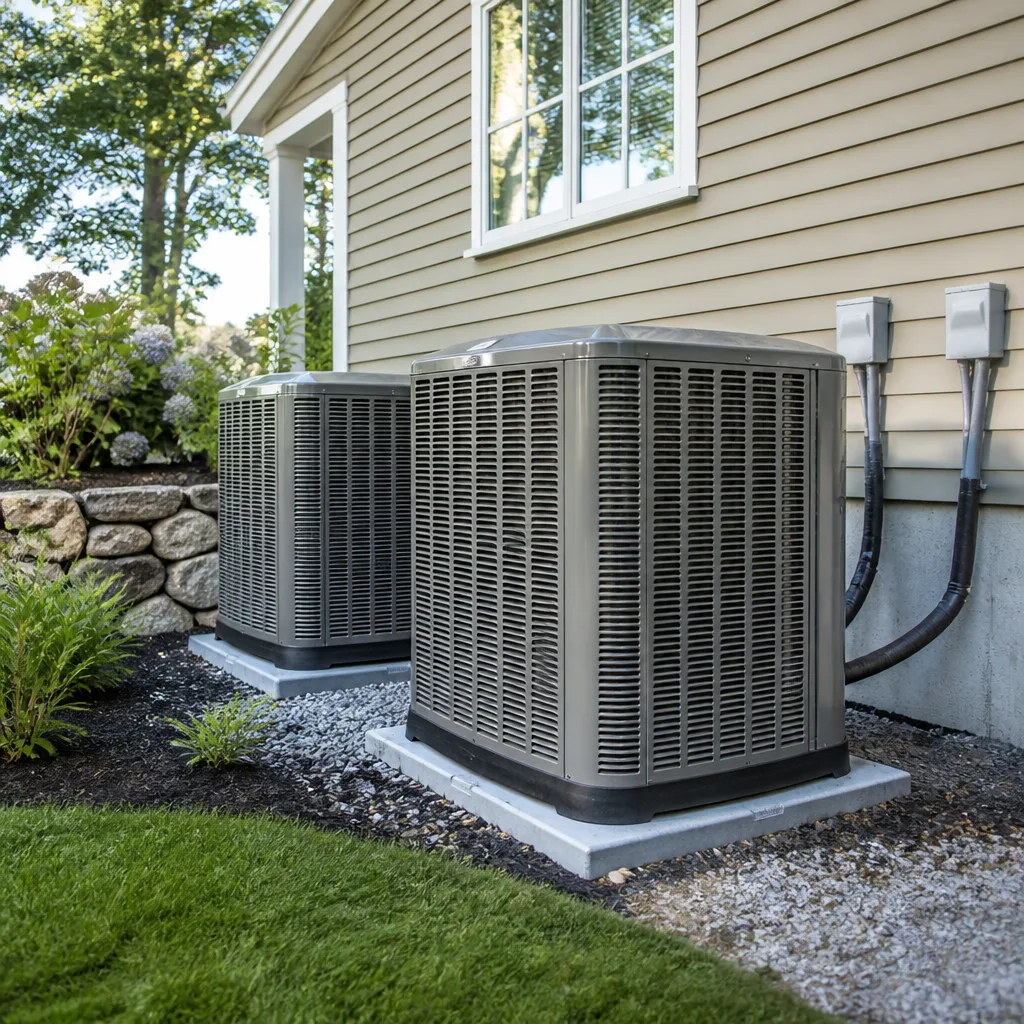 Heat pumps
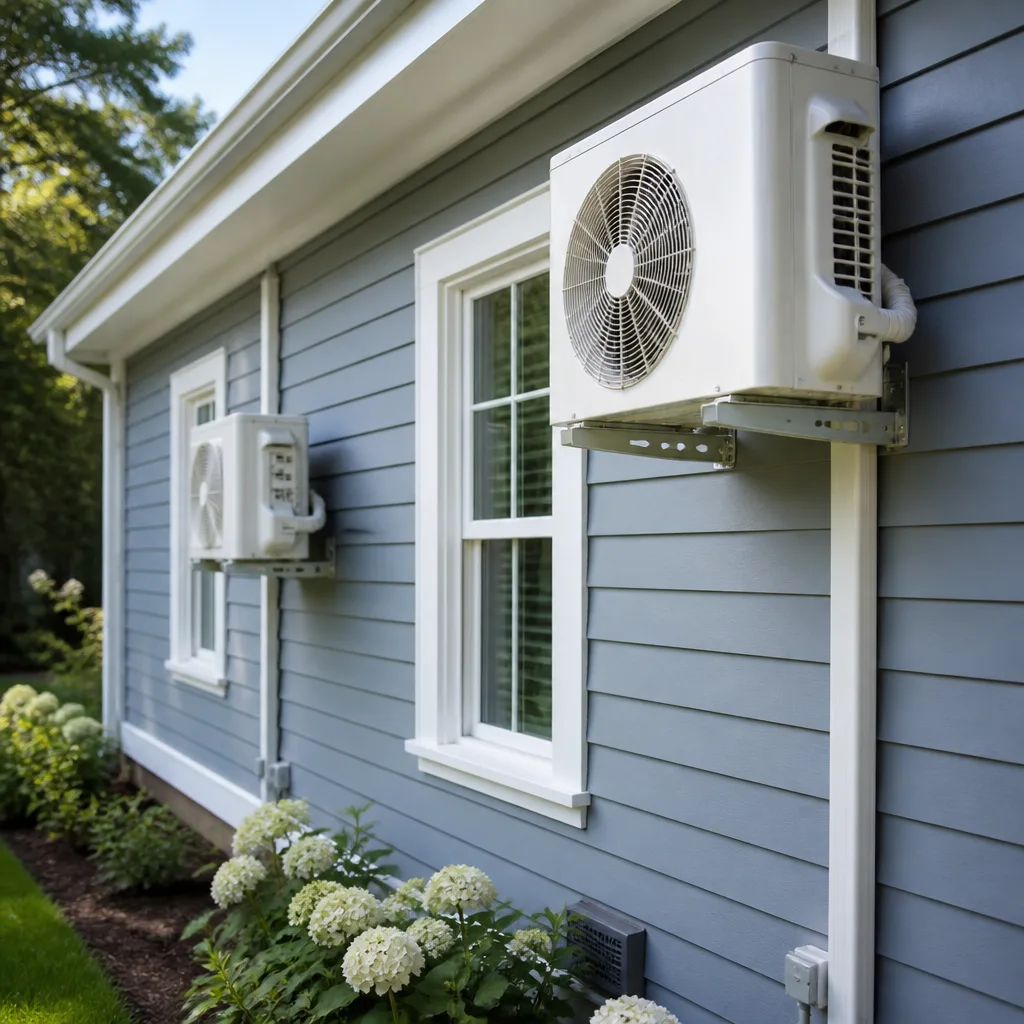 Ductless mini splits
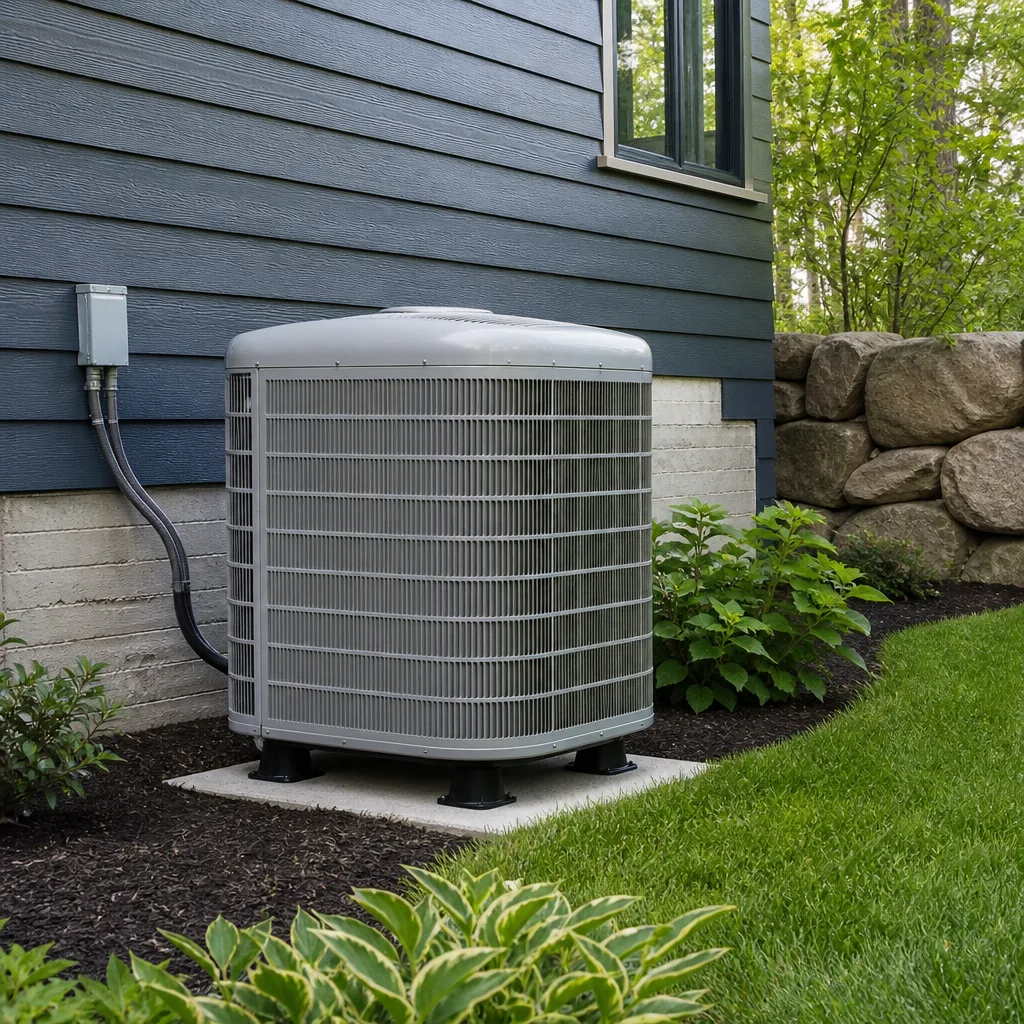 Carrier
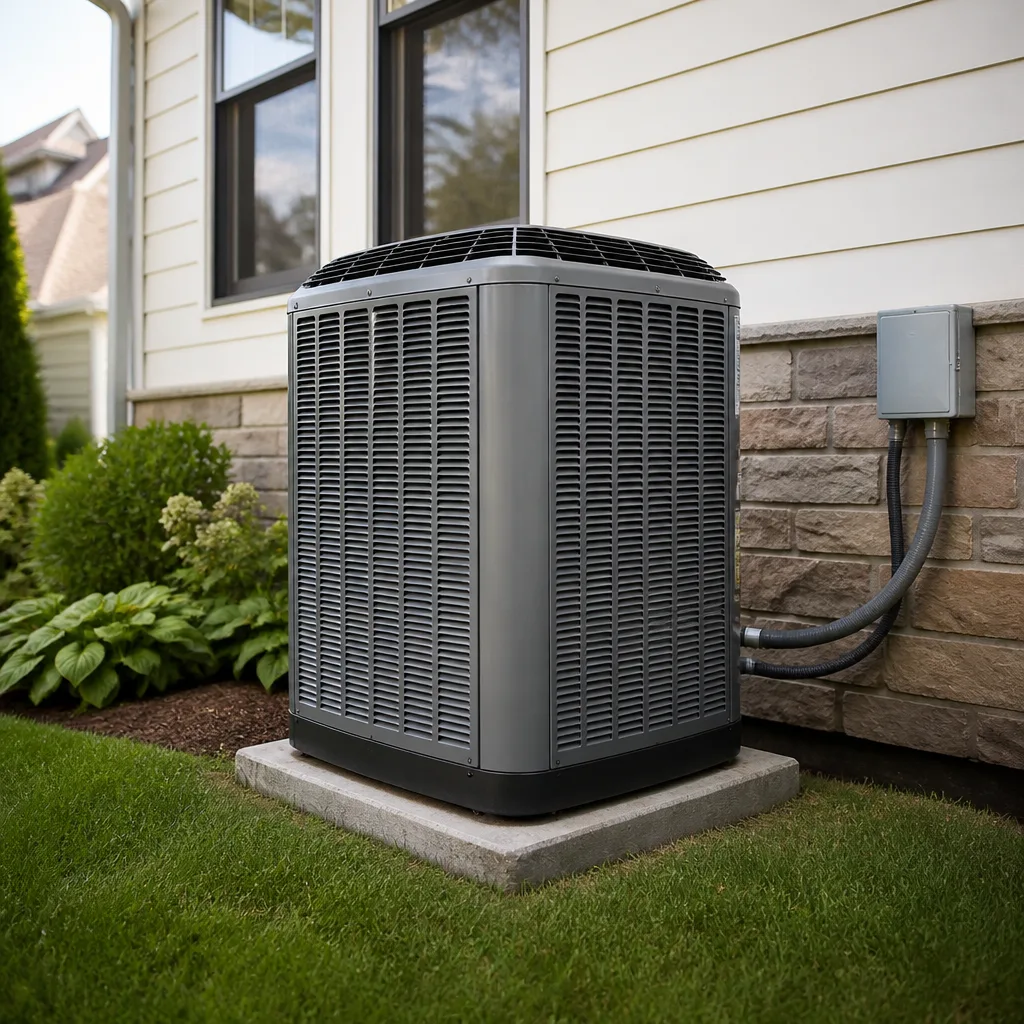 Trane
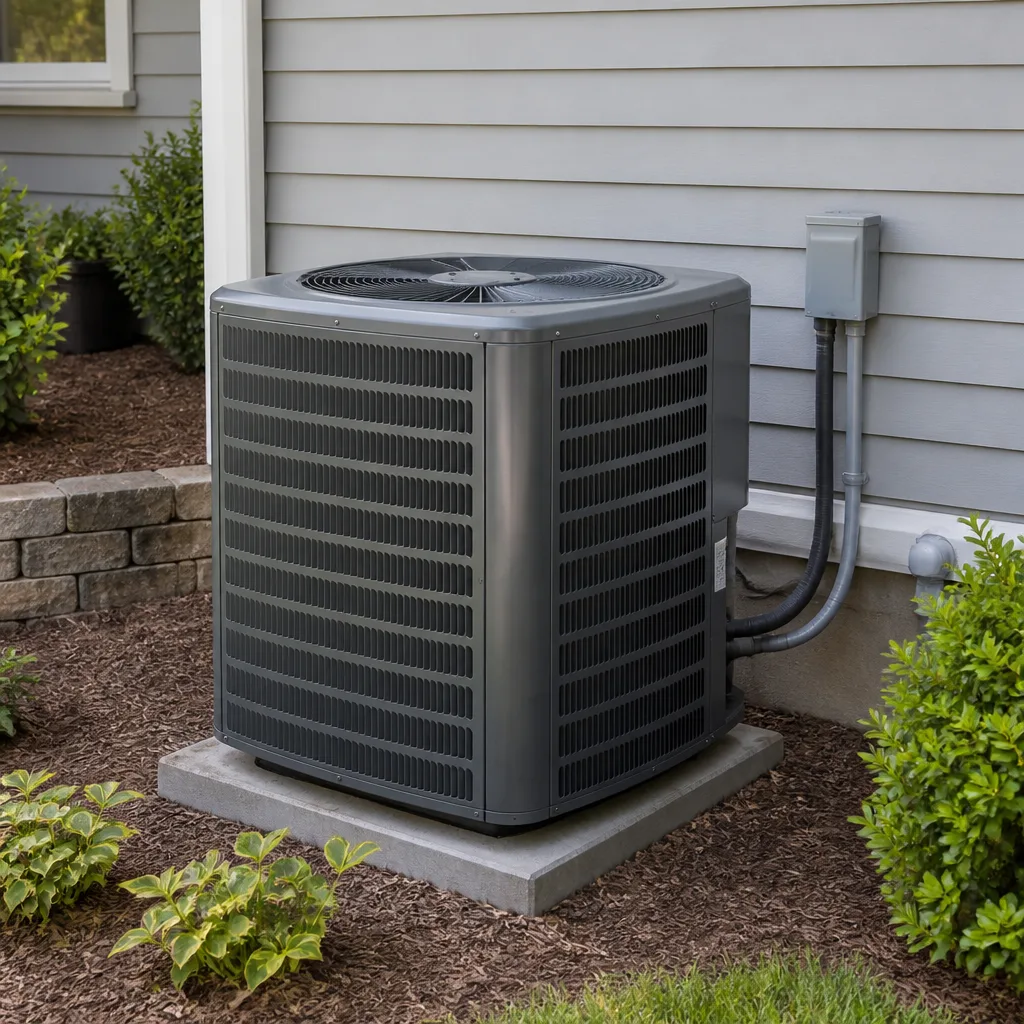 Goodman
Seasonal tune-up and full diagnostic on your Carrier, Trane, or Goodman system - readings shown to you before any repair is proposed
Diagnosis first, numbers second - you approve the repair price before a single part goes in.
Get your free estimateHVAC Emergency Preparedness Guide for Riverview Homes
The call that comes at 6:45 on a July morning is almost never a surprise. It’s the same call we get every year around the same week, from the same kind of home, on equipment that’s roughly the same vintage. That’s the part most homeowners miss about HVAC emergencies in Riverview: they aren’t random. They follow a calendar. A heat wave that pushes a system past its design limit, the first cold snap that wakes up a furnace that’s been asleep since March, a brownout from summer storm activity. Understanding that pattern is what separates the homeowner who gets same-day repair from the one who spends three days waiting. This guide walks through the failure calendar, the first thirty minutes after a breakdown, storm and surge protocols, heat safety for vulnerable households, and the information that gets your system fixed faster.
Quick Answer
HVAC emergencies in Riverview cluster around two predictable windows: peak summer heat and the first sharp cold snap of winter. Preparation means knowing the seasonal timing of failures, understanding the safe first steps after a breakdown, and having your equipment details ready before you call. Call (888) 465-9784. We answer 24/7. Fast dispatch from 7am to 7pm, Sunday through Friday.
Styles & brands we work with
- AC repair
- Furnace & heating
- Heat pumps
- Ductless mini splits
- Carrier
- Trane
- Goodman
Table of Contents
- The Riverview Failure Calendar: When Systems Actually Break
- What to Do in the First 30 Minutes of an AC Failure
- Storm, Surge, and Lightning Protocols for Florida Homes
- Heat Safety Thresholds: Protecting Vulnerable Households
- What to Have Ready Before You Call a Technician
- Cold Snap Preparation for a Mild-Climate Furnace
- Repair or Replace: The Decision Most Emergencies Force
- The Annual Preparedness Checklist
The Riverview Failure Calendar: When Systems Actually Break
HVAC equipment doesn’t fail on a random schedule. Components age on a curve, and that curve gets accelerated by hard use. In Riverview, hard use has a season. Our cooling systems run long hours through the hot months, and heating equipment may sit idle for most of the year before it gets woken up. That asymmetry is why we can predict when certain parts are going to give out.
Here’s how the failure calendar tends to break down for a typical Riverview home.
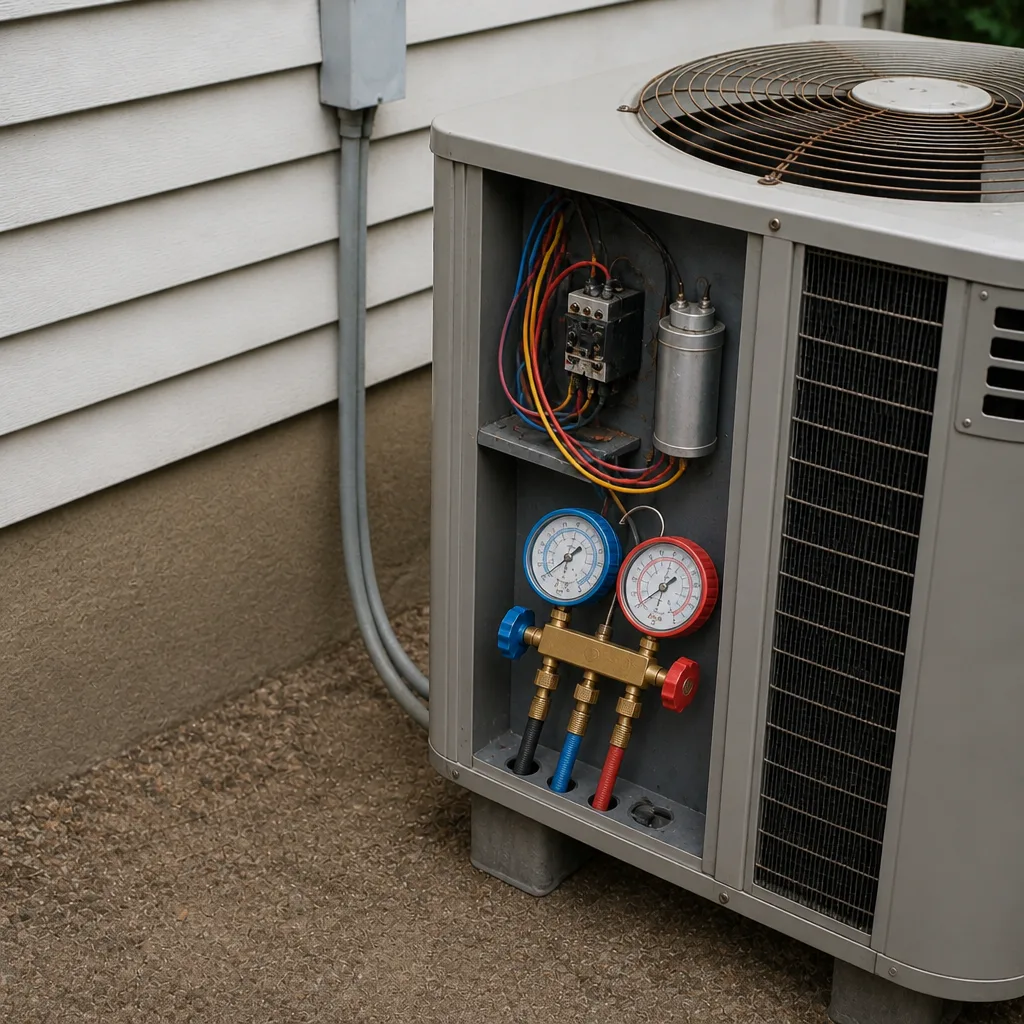
- Late spring into summer: Capacitors are the first thing to go. These are small components that help start the compressor and the blower, and they degrade quietly until the system won’t start on the hottest afternoon of the year. Contactors and relays follow. If your system is running but the outdoor unit keeps short-cycling, a failed or failing capacitor is the usual suspect.
- Peak summer: Compressors fail when they’ve been running almost continuously for weeks. Compressor failures are rarely sudden – they’re usually the endpoint of an overheating issue, a refrigerant charge that was low all spring, or an undersized system pushed past its design capacity during a heat wave.
- End of summer: Drain lines and condensate pumps clog after months of heavy humidity. A stopped drain line can trigger a float switch safety cutoff, and the system shuts down with no obvious fault code. That’s often misdiagnosed by homeowners as a total failure when it’s actually a drain issue.
- First cold snap: Furnaces that sat unused through the warm months fail on the first genuinely cold morning. Heat strips, ignition components, and blower motors are the common failures. If your furnace hasn’t run since last winter, the first cold front is when you find out whether it will.
- Mid-winter: Igniters, flame sensors, and pressure switches fail more often once a furnace has cycled through several hundred heating calls. These are small, inexpensive parts with a defined lifespan.
What this means practically: the right time to inspect your Riverview system is before the seasonal spike, not after. A spring inspection catches a tired capacitor before it strands you in July. A fall inspection on the furnace before the first cold front catches an igniter problem before it becomes a heating emergency. This is the same logic homeowners use for hurricane season, just applied to the equipment inside the house.
What to Do in the First 30 Minutes of an AC Failure
When the AC stops on a hot Riverview afternoon, the first reaction most homeowners have is to start flipping breakers and pressing reset buttons. That’s usually the wrong move. Some of what breaks can be safely handled at home. Some of it can’t, and resetting the wrong thing can turn a small repair into a bigger one. Our technicians have up to 10 years of experience, and the sequence they follow on any no-cool call is the same one we’re laying out here.
Follow this order:
- Confirm it’s actually the system and not the power. Check that the thermostat has power, that the breaker at the panel is on, and that no other appliances on the same circuit are out. A tripped outdoor disconnect is a common cause, and it can look like a total system failure.
- Check the air filter. A severely clogged filter can trigger a high-limit safety switch on some systems, shutting the unit down. This is one of the few genuinely DIY checks in this sequence. If it’s caked with dust, change it and wait fifteen minutes before trying the thermostat again.
- Listen to the outdoor unit. If the indoor blower is running but the outdoor unit is silent, you have a start-component or power problem. If the outdoor unit hums for a few seconds and clicks off, a capacitor or compressor issue is likely. If it’s running but the air from the vents is warm, the issue is likely refrigerant or the compressor.
- Find the condensate drain and check for a float switch cutoff. If your system has a safety float switch and the drain line is backed up, the switch shuts the whole system down. Clearing the visible end of the drain line is sometimes enough, but the real fix is inside the drain assembly.
- Do not repeatedly reset the breaker. If the breaker trips more than once, stop. Repeatedly resetting a breaker on a system with an electrical fault is a fire risk. Leave it off and call.
- Open the windows and run ceiling fans if you can, and move vulnerable household members to the coolest part of the house. This is about heat safety, not system repair. We cover thresholds below.
- Call (888) 465-9784 with the information covered further on. The details you have in hand on that call are what gets you a same-day slot instead of a slot tomorrow.
The one thing not to do: don’t open the electrical panel to look at the system’s breaker and its connections, and don’t try to test a capacitor yourself. Those components hold a charge even after the power is off, and the panel is a genuinely dangerous place for anyone without training. A few minutes of quick checks is fine. Anything past the breaker switch itself is a job for a technician.
Storm, Surge, and Lightning Protocols for Florida Homes
Florida summer storms produce more HVAC damage than any other single cause, and most of it happens fast. A nearby lightning strike or a utility surge can take out a compressor, a control board, or a variable-speed motor in less than a second. The tricky part is that the damage often doesn’t show up right away. A system can run for a day or two after a surge event and then fail, which makes the connection between the storm and the failure hard to see.
Here’s the protocol we recommend for Riverview homeowners after any significant storm with visible lightning or a utility outage.
- If the power flickers but stays on, check your equipment. Listen for the outdoor unit. If it’s making sounds it didn’t make before the storm or if it won’t start, shut the thermostat off and call. A system that’s been hit by a surge often tries to start and fails repeatedly, which can cause more damage.
- If you had a full outage, wait for power to stabilize before turning the system back on. Utility restoration often happens in stages, and a surge can come through during the restoration process. Give it a few minutes after the power settles before the thermostat calls for cooling.
- Do not reset a tripped breaker after a storm event. If a surge caused the trip, the underlying fault may still be there. Resetting can cause additional equipment damage or create a safety hazard. Leave it off and let a technician check the system.
- Don’t ignore a system that works but sounds different after a storm. A compressor that survived a surge but is running with damaged windings will often fail days later. A technician can test the electrical components and find out before that happens.
- Watch for water intrusion around the indoor air handler. Storm-driven rain can find its way into attics and crawlspaces where equipment sits. Any moisture around the unit itself is worth a call.
If a storm has hit your neighborhood and you’re not sure whether your system needs attention, call us. We work with a full range of equipment brands – whether you have a Carrier, a Trane, a Bryant, or any of the other major residential brands, our technicians test the specific electrical components on your system rather than making assumptions about the brand.
Heat Safety Thresholds: Protecting Vulnerable Households
An AC failure is uncomfortable for a healthy adult and genuinely dangerous for some households. In Riverview, where the summer heat holds through long stretches and evening temperatures don’t drop much, a multi-day outage without cooling becomes a health risk. Elderly residents, infants, and anyone with a chronic condition or medical equipment that depends on a cool environment is the group that should be triggering a faster response.
We’re not medical professionals, and the thresholds below are general. If someone in the home is showing signs of heat illness – confusion, dizziness, nausea, rapid pulse – call emergency services, not an HVAC company.
For a household with elderly residents, infants, or medical equipment that requires cool temperatures, plan on cooling down faster than you would for a healthy adult. That’s when you want same-day service and you want to say so on the phone. Fast dispatch from 7am to 7pm, Sunday through Friday, is when we send technicians out. We answer 24/7, so even a call outside those hours gets your request into the next opening on the schedule.
The non-HVAC decisions matter just as much. Here’s the sequence we tell families to have ready before the situation happens:
- Identify one room as the cool zone – usually the lowest floor, and ideally one with a ceiling fan and few windows. Move vulnerable household members there first.
- Know where the nearest cooling center is in Riverview or Hillsborough County before you need it. Library branches and community centers serve as cooling locations during extended outages. Have the address written down or saved.
- Check on your medication storage. Some medications require a temperature-controlled environment. A cooler with ice packs can bridge a short outage; a long one may require a call to your pharmacist for guidance.
- If someone in the home uses medical equipment that depends on room temperature or airflow, mention it on the call. It doesn’t change the price and it doesn’t change the schedule policy, but it tells us how to prioritize the request within the day.
- Close blinds and interior doors to hold whatever cool air remains. Circulate air in the chosen room with a fan, and use wet towels on the skin if someone becomes overheated while waiting for help.
For a household with no vulnerable members, an overnight outage in milder weather is often something to ride out and schedule a repair the next morning. For a household with a vulnerable member, it’s a same-day priority. Being explicit about which one you’re dealing with is the single most useful thing you can do when you call.
What to Have Ready Before You Call a Technician
The single biggest time-saver in an HVAC emergency is the information the homeowner brings to the call. A technician who arrives already knowing the equipment model, the age of the system, and the sequence of symptoms can often skip a diagnostic step. The homeowner who says “it’s just not working” and has nothing else to offer usually ends up waiting longer for a slot and for a second visit.
Before you dial, gather these details:
- Equipment brand and model number. The data plate on the indoor air handler and the outdoor unit has both. If the unit is in an attic, the model number might be legible from the access panel without climbing in. Whether it’s a Carrier, a Trane, an American Standard, or another brand, the model number is what lets us confirm parts availability before we arrive.
- Approximate age of the equipment. Check the install sticker if there is one; if there isn’t, the serial number often encodes the manufacture date, and we can decode it.
- What the thermostat is doing. Is it blank, showing a fault code, running but the system isn’t responding, or cycling repeatedly?
- What the outdoor unit is doing. Silent, humming but not running, running but producing warm air, or making unusual sounds.
- What you’ve already tried. Filter change, breaker check, thermostat battery replacement, reset button. This matters because it tells us what we can skip.
- Any recent events that might be relevant. A power outage, a lightning storm, recent construction, or a plumbing leak near the equipment.
- Household considerations. Anyone with medical needs, infants, elderly residents, or pets that would be affected by an extended outage.
Having this ready doesn’t guarantee same-day service, but it moves you to the front of the diagnostic queue when a slot opens up. On the busiest days of the Riverview summer, that’s the difference between a morning call that gets fixed the same day and an afternoon call that waits until the next opening.
Cold Snap Preparation for a Mild-Climate Furnace
Riverview winters are mild, and that’s precisely the problem for furnace equipment. A furnace that runs a handful of times a year sits idle for months, and idle time is when small issues develop into big ones. Belts dry out, igniters crack, pressure switches stick, and the first cold snap finds a system that hasn’t cycled since last winter.
When the first genuinely cold morning arrives in Riverview, HVAC phones light up. That morning is the worst possible time to find out your furnace has a problem. The preparation window is the week before the season turns.
Here’s what a homeowner can check before the first cold front:
- Turn the heat on for ten minutes on a mild day. This is the single most useful thing you can do. It wakes the system up, surfaces any obvious fault, and gives you time to schedule a furnace repair before the demand spike.
- Smell the air when the system starts. A faint burning smell on the first startup of the season is normal dust burning off. A strong smell that persists past the first few minutes is not, and it’s worth a call.
- Check the filter again. Furnace filters and AC filters are usually the same filter, but the winter filter often needs to be fresh if the summer filter was left in place.
- Confirm the thermostat switches to heat mode. Yours might have a mode selection or an automatic switchover. Test the transition on a mild day so it doesn’t surprise you during a cold snap.
- Schedule an inspection if the system is older. If your furnace is getting on in years and hasn’t had a checkup recently, a fall inspection is cheap insurance against a mid-winter failure. When replacement is the right call, our furnace repair team can walk through the options, but the diagnosis comes first.
Gas furnaces have a specific responsibility attached to them. If you smell gas – which has a distinctive sulfur or “rotten egg” odor – leave the house, don’t flip any switches, and call your gas utility from outside. Gas line work is not a homeowner task, and it’s not something to test. Once the gas issue is resolved, HVAC repair is a separate call. We don’t work on gas lines; we work on the heating equipment that runs on gas once the line itself is safe.
Repair or Replace: The Decision Most Emergencies Force
Most HVAC emergencies land a homeowner at a decision point. The immediate problem is fixable, but the equipment’s age and condition raise a bigger question: is it worth fixing, or is it time to replace? This is where the choice of who you call matters most, because it’s easy to get steered toward replacement by a company that only sells new systems.
We’re a heating and cooling specialist, not a contractor with a broad portfolio. We install, repair, and replace – all three are core services, and we don’t lean toward one over another when we’re recommending a path. We work on your brand, not ours. Whether the equipment in your home is Bryant, American Standard, Carrier, Trane, or another major residential brand, we’re set up to repair it if repair is the right call, or replace it if replacement is.
The framework we use:
- Age matters, but it’s not the only factor. A well-maintained older system with a repairable issue is often worth keeping. A newer system with a major compressor failure may not be.
- Repair cost relative to replacement cost is the practical threshold. When a single repair is a large percentage of a full replacement, replacement starts to make sense. The written estimate is what tells you which side of the line you’re on.
- Repeat failures matter more than the specific repair. Multiple repairs over a short period usually signal a system at the end of its useful life. One repair after years of quiet operation doesn’t.
- Refrigerant type matters. Older refrigerants are being phased out and become more expensive to source over time. If that’s the case for your system, replacement may be worth discussing even if the current issue is fixable.
- Equipment sizing matters. If your system was undersized for your Riverview home from the start, a major repair is often the moment to correct that. Our AC installation service starts with a load calculation, not a catalog.
We will tell you which one actually makes sense. No upsell pressure, no “the equipment’s old, might as well replace it” reflex. If your furnace is on the edge and we can get another season out of it, we’ll say so. If it’s done, we’ll show you why with the numbers in front of you.
The Annual Preparedness Checklist
HVAC emergencies are dramatically cheaper and faster to handle when the homeowner is prepared. Our technicians have up to 10 years of experience, and every one of them can tell you which households they walk into on the worst service days versus which households call in the spring before anything goes wrong. Here’s the annual checklist that puts you in the second group.
- Spring (before the first heat wave): Check the AC filter and replace it if it’s dirty. Wash the outdoor unit’s coils with a garden hose if they’re visibly dirty. Have a professional inspect capacitors, contactors, and refrigerant charge.
- Late spring (before peak demand): Note the equipment model and serial numbers somewhere accessible. Test the thermostat’s cooling mode. Listen to the outdoor unit and note any new sounds.
- Summer (during peak demand): Change the filter more often than the box recommends – peak season is when clogs cause problems. Watch for drain line backups. Note whether the system is running longer than usual to reach the set temperature.
- Fall (before the first cold snap): Test the heating mode on a mild day. Check the filter again. Have the furnace inspected if it’s older or hasn’t been serviced in over a year.
- Winter: Keep the filter changed. If the system is gas-fired, confirm the carbon monoxide detectors in the home are working. Note any unusual smells on startup.
- Year-round: Keep the number (888) 465-9784 and your equipment model numbers in the same place. That’s the number that turns an emergency into a scheduled appointment.
For homeowners with an older system or a home that’s been through its share of emergencies, a formal seasonal inspection is worth the modest cost. Getting ahead of a failure in April is far cheaper and less stressful than getting behind one in July.
Common Mistakes to Avoid
- Resetting the breaker more than once. A breaker that trips again immediately after reset is telling you there’s a real fault. Repeated resets can cause compressor damage or create a fire risk. Leave it off and call.
- Trying to diagnose a capacitor or control board yourself. Capacitors hold a charge after power is off, and control boards can be damaged by contact. These are jobs for a technician, not a homeowner with a multimeter.
- Ignoring a drain line backup because the system is “still cooling.” A partially backed-up drain line can shut the whole system down via a float switch at the worst possible moment. If you see water near the indoor unit, treat it as a pending failure.
- Calling without the model number and symptom history. On a busy Riverview day, the call that arrives ready to diagnose gets prioritized over the call that requires a second trip to gather information.
- Skipping the pre-season heating test. A furnace that hasn’t run since last winter is a coin flip on the first cold morning. Running it on a mild day catches the problem without the emergency.
- Assuming a replacement is inevitable when a repair is on the table. Not every aging system needs to be replaced. A technician who only sells new equipment will see a replacement every time; a specialist should show you the repair option honestly.
- Ignoring storm-related sounds because the system “still works.” A compressor that survives a surge but runs with damaged windings can fail days later. A post-storm check is far cheaper than a compressor replacement.
See the difference
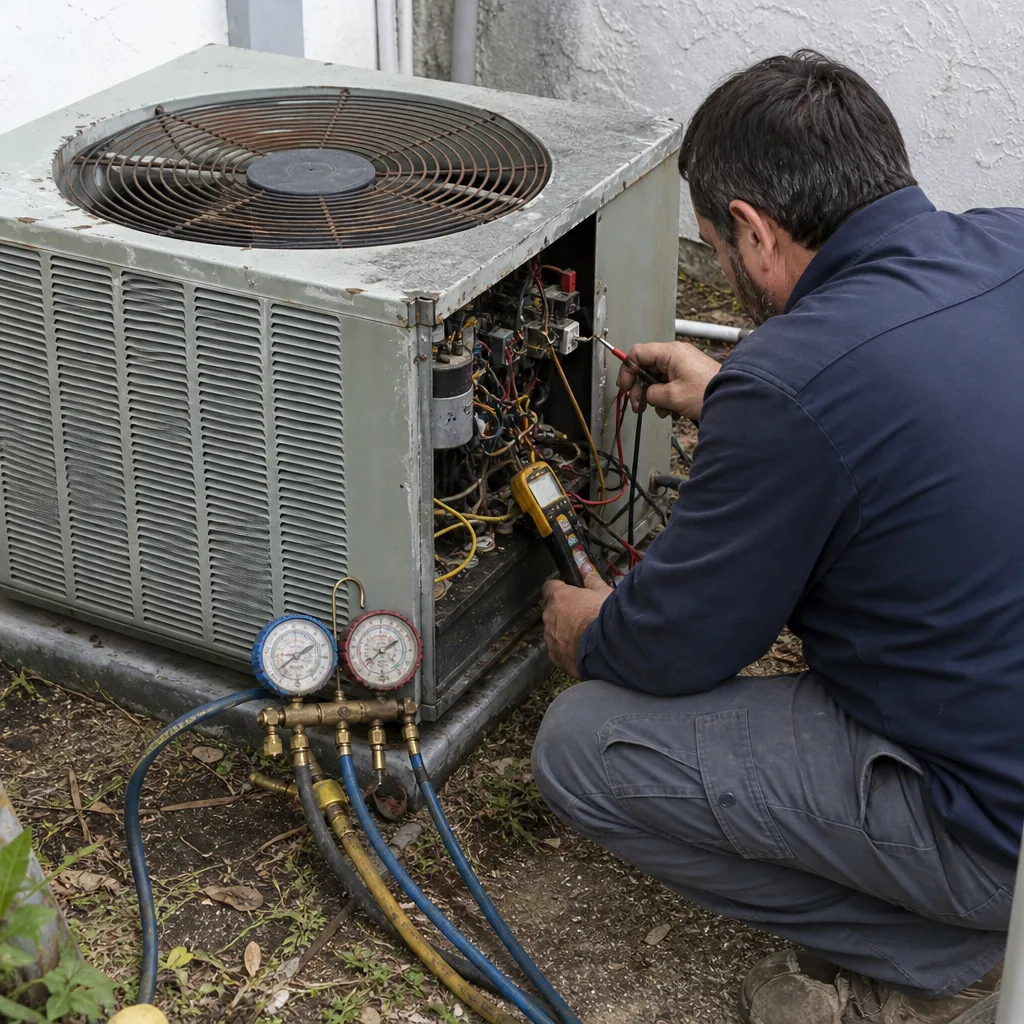 Before
 After
 Before
 After
 Before
 After
When to Call a Professional
Call us when the breaker trips more than once, when there’s gas or burning smell, when the outdoor unit hums and clicks off without starting, when the indoor unit runs but the air is warm, when there’s moisture near the equipment, or when a vulnerable household member is at risk from a prolonged outage. Same-day service applies to most of these. For a system replacement, we’ll schedule a set install date rather than promising same-day turnaround – AC installation requires a load calculation and equipment ordered for your home’s specific needs, so the timeline is different. AC Repair Riverview offers free estimates in Riverview, and the written estimate is what sets the final price. Call (888) 465-9784. We answer 24/7. Fast dispatch from 7am to 7pm, Sunday through Friday.
Frequently Asked Questions
Confirm the thermostat has power and the breaker is on, check the air filter, and listen to the outdoor unit before doing anything else. Don’t reset the breaker more than once, and don’t touch the electrical panel or try to test the capacitor. Call (888) 465-9784 and describe what the outdoor unit is doing – that information is what gets you a same-day slot. Estimates are free, and we answer 24/7.
Pricing is set per job by the written estimate after a technician diagnoses the failure, so there’s no flat “emergency” number to quote. The estimate is free, and the written estimate is what sets the final price. Call (888) 465-9784 to schedule – we won’t quote a range sight-unseen and we don’t charge more for same-day work.
Same-day service is often available for repair calls, especially when you call in the morning with the equipment details ready. Fast dispatch runs from 7am to 7pm, Sunday through Friday. A call outside dispatch hours is booked into the next opening. Call (888) 465-9784 with your model number, symptom list, and household considerations in hand.
It fails on the first cold morning because it hasn’t run since the previous winter, so small issues like a cracked igniter or a stuck pressure switch stay hidden until demand returns. The fix is straightforward: run the heat for ten minutes on a mild day in the fall to surface problems before the demand spike. If it fails the test, call (888) 465-9784. Estimates are free.
Yes. A surge can damage a compressor winding or a control board without the system failing immediately, and the unit may run for days before it stops. After a storm with visible lightning, listen to the outdoor unit and note any new sounds or behaviors. If anything seems off, call (888) 465-9784 – a technician can test the electrical components before the failure becomes a replacement discussion.
Repair usually makes sense when the system is otherwise sound and the fix is a small percentage of replacement cost; replacement makes sense when a major component has failed on older equipment or the system has had repeated repairs in a short window. We work on the brand you already own – whether that’s a Carrier, a Trane, or another major brand – so replacement isn’t the automatic answer. Call (888) 465-9784 for a free estimate and an honest read on which path makes sense for your Riverview home.
The Bottom Line
HVAC emergencies in Riverview follow a seasonal pattern, and homeowners who plan around that pattern get faster repairs and avoid most of the emergencies themselves. The failure calendar tells you when to inspect what. The first-thirty-minutes sequence tells you what’s safe to check yourself and what isn’t. Storm protocols protect the equipment after a surge. Heat safety thresholds protect the people in the home when cooling is down. And the information you gather before you call is what gets you a same-day slot on the busiest day of the year. Our technicians have up to 10 years of experience across nine major residential HVAC brands – Carrier, Trane, Lennox, Goodman, Rheem, York, Daikin, Bryant, and American Standard – so whether you’re in a Riverview neighborhood off 301 or near the Alafia River, the diagnosis starts with your system, not a sales pitch. You can read more about our AC Repair Riverview service and our coverage for the broader Riverview area, and call (888) 465-9784. We answer 24/7. Fast dispatch from 7am to 7pm, Sunday through Friday.
Written by the team at AC Repair Riverview.