
Last updated November 16, 2026
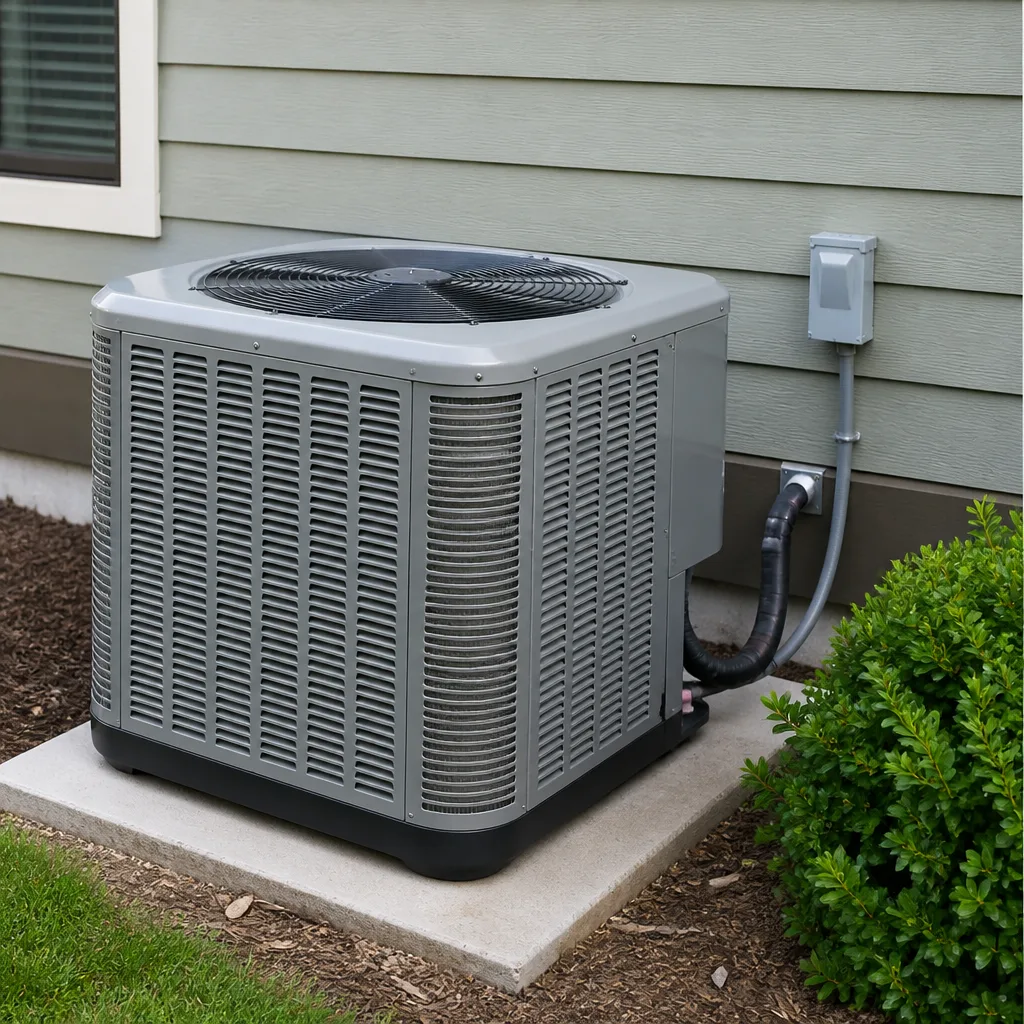 AC repair
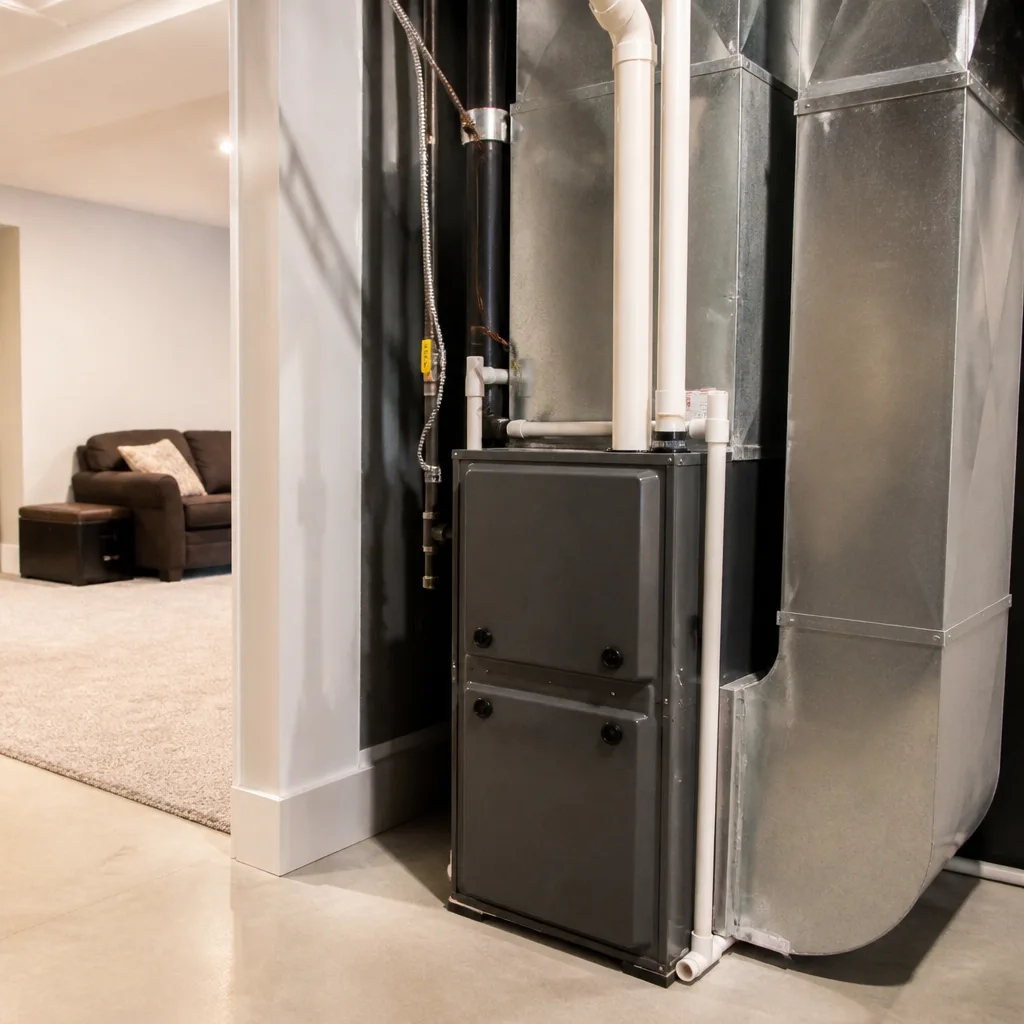 Furnace & heating
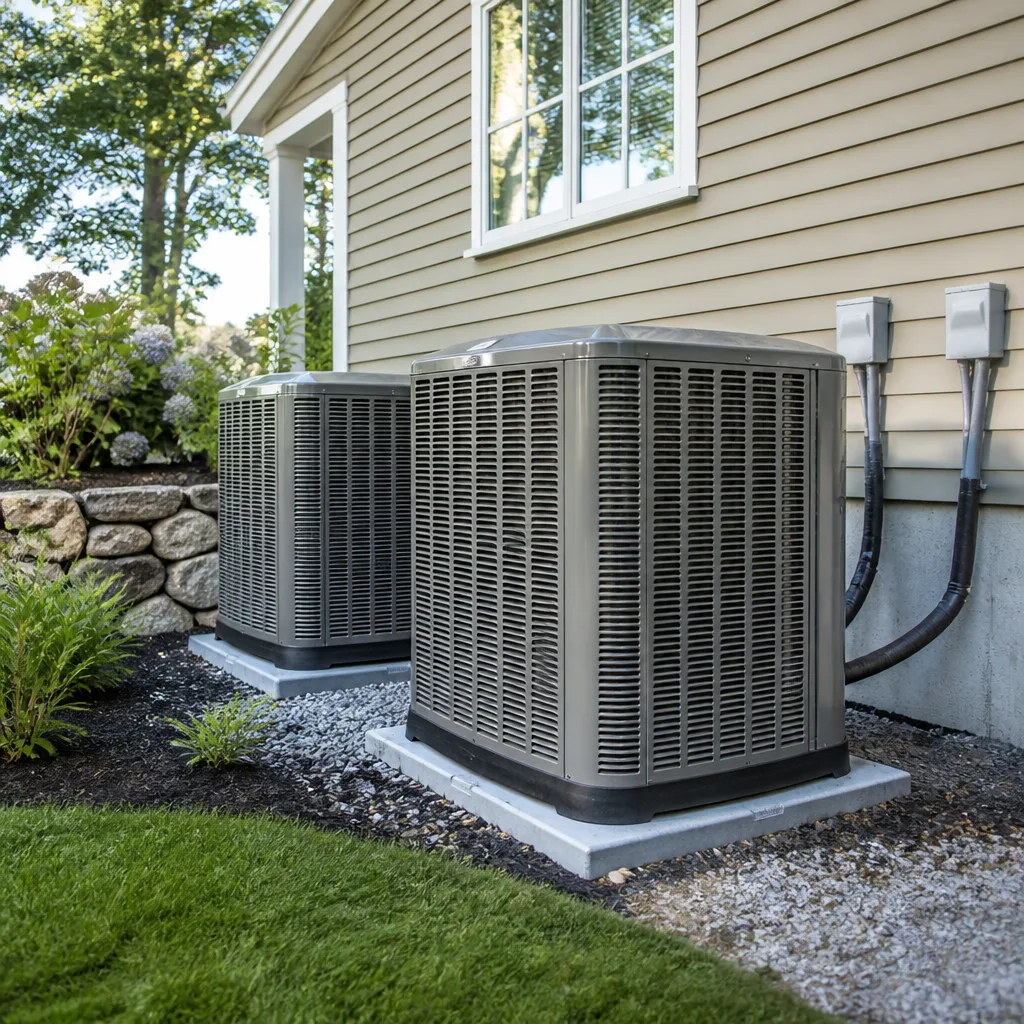 Heat pumps
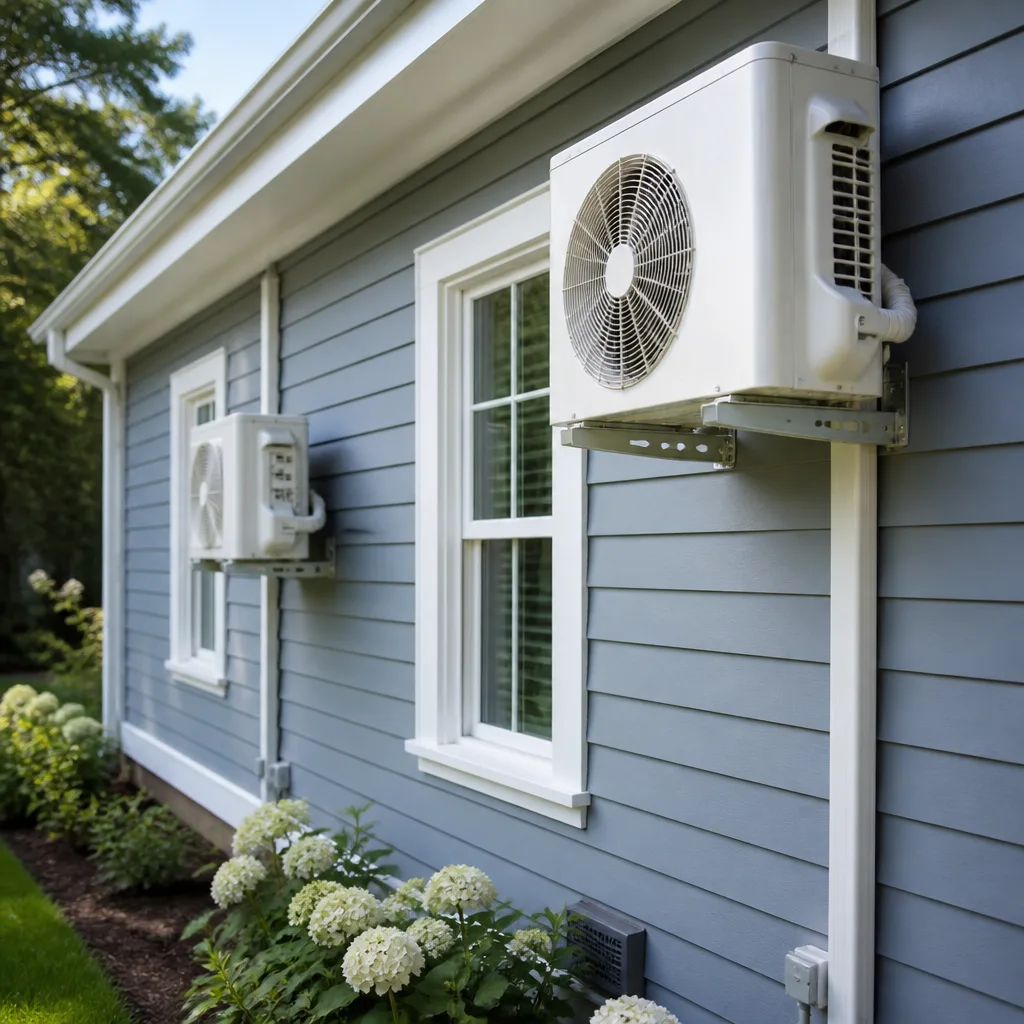 Ductless mini splits
 Carrier
 Trane
 Goodman
Seasonal tune-up and full diagnostic on your Carrier, Trane, or Goodman system - readings shown to you before any repair is proposed
Diagnosis first, numbers second - you approve the repair price before a single part goes in.
Get your free estimateHVAC Permits, Codes & Inspections in Riverview, FL: What You Need to Know
Most homeowners in Riverview assume the contractor handles the paperwork. Usually they do. But when a replacement gets installed without a permit, the paper trail lands on you, not the installer. That’s the counterintuitive part: the contractor walks away with a check, and the homeowner carries the liability for years. Here’s what this guide covers – the work in Hillsborough County that legally requires a permit, what a 4-point inspection actually looks at, how the inspection sequence runs from rough-in to final, what the Florida Energy Code demands on equipment sizing, and how to verify in about sixty seconds that the permit your contractor promised actually exists in the public record.
Quick Answer
In Hillsborough County, replacing or newly installing an HVAC system requires a permit. Repairing and maintaining existing equipment usually does not. Permitted installs are inspected in stages – typically a rough-in inspection before the system is closed up and a final inspection after it’s running – and unpermitted HVAC work can knock a home out of insurance eligibility during a 4-point inspection. Verify any contractor’s permit pulled on your address through the county’s public permit search before you write the final check.
Styles & brands we work with
- AC repair
- Furnace & heating
- Heat pumps
- Ductless mini splits
- Carrier
- Trane
- Goodman
Table of Contents
- Which HVAC Work Requires a Permit in Hillsborough County?
- Repair vs. Replacement: Where the Line Actually Sits
- What a 4-Point Inspection Examines and Why HVAC Matters
- The Inspection Sequence: Rough-In, Final, and What the Inspector Checks
- Florida Energy Code, Manual J and Manual S: Sizing on a Permitted Install
- How to Verify Your Contractor Actually Pulled the Permit
- Why This Matters Most in Riverview’s Housing Stock
- Common Mistakes to Avoid
Which HVAC Work Requires a Permit in Hillsborough County?
The short rule: anything that changes the equipment or the system layout requires a permit. Anything that restores existing equipment to working order usually doesn’t. Hillsborough County building officials treat a like-for-like equipment swap as a permitted job, and so should you. If a contractor tells you a full condenser or air handler replacement “doesn’t need a permit,” that’s the first and clearest warning sign you’re talking to the wrong crew.
Here’s how the split breaks down in practical terms:
- Requires a permit: New HVAC system installation, complete condenser or air handler replacement, adding or removing a zone, duct system redesign, relocating equipment, changing fuel source or equipment type, and installing a heat pump.
- Usually does not require a permit: Replacing a compressor, capacitor, contactor, blower motor, or thermostat; recharging refrigerant; routine maintenance; filter changes; clearing a drain line; sealing a minor duct leak at a joint.
- Depends on scope: Duct modifications. A small flex duct repair is often treated as maintenance. Replacing a large section of ductwork, or running a new branch, generally requires a permit.
We’re often asked by homeowners in Riverview whether a “same-size swap” needs a permit. Yes, it does. The inspector isn’t checking whether the new unit is bigger than the old one. They’re checking that the installation is safe, that the electrical connection is correct, that the equipment matches the load calculation, and that the whole thing was done to code. Size-for-size doesn’t exempt you.
If you’re not sure whether your job qualifies, ask the question in writing. A reputable contractor will confirm the permit requirement before quoting. And if you need a repair that doesn’t require a permit, you can reach us through our AC Repair Riverview page. If it’s a full system replacement, the permit conversation comes first – which is exactly how it should be.
Repair vs. Replacement: Where the Line Actually Sits
Most HVAC work doesn’t touch a permit. It’s the borderline jobs that cause trouble, and they’re the ones homeowners ask about. Here’s how to think about the divide.
A repair brings existing equipment back to its prior working condition. Nothing changes at the system level. A failed capacitor, a burned-out contactor, a seized blower motor – these are all repairs on existing equipment, and none require a permit. Neither does a refrigerant recharge on a sealed system, nor a thermostat swap.
A replacement removes the old equipment and installs new. That’s the trigger. It doesn’t matter if you’re going from a 3-ton to a 3-ton, or if the new unit is the exact same model as the old one. The moment the existing equipment comes out and new equipment goes in, you’re in permitted territory.
A few edge cases worth knowing:
- Coil-only replacement inside a functioning air handler is often permitted, since it’s a major component swap. Ask your contractor to confirm the local rule – Hillsborough County treats it as a system modification in most cases.
- Compressor replacement on an otherwise healthy unit is typically a repair. The compressor is a component inside the existing system, not a new system.
- Refrigerant line replacement often triggers a permit because it involves opening and re-pressurizing a sealed system.
- Whole-system replacement to a different efficiency tier or equipment type (for example, switching from a standard split to a heat pump) is always permitted and may require a load calculation.
The practical takeaway: if the contractor is going to have to disconnect refrigerant lines and remove a major piece of equipment, expect a permit. When we quote any AC installation in Riverview, the permit is part of the scope in writing, not an added line item invented later.
What a 4-Point Inspection Examines and Why HVAC Matters
A 4-point inspection is the home check that many Florida insurers require before they’ll write or renew a policy on an older home. It covers four systems: roof, electrical, plumbing, and HVAC. The inspector is looking for evidence that those systems are in insurable condition. Unpermitted HVAC work is a red flag in exactly that inspection, and it’s the kind of thing that surfaces at the worst possible moment – usually while you’re packing to close on a sale and the buyer’s insurer asks for a mitigation letter.
Here’s what the inspector actually looks at on the HVAC side:
- Equipment age and condition. Existing equipment is checked for its age, its physical condition, and any signs of deferred maintenance.
- Permit history. Whether the current system was permitted when it was installed. An inspector who sees a system installed recently without a matching permit in the county’s records will flag it.
- Electrical connections. The disconnect, breaker sizing, and wiring to the unit. Improper electrical work is a common deficiency.
- Refrigerant lines and drain lines. Condition of the lineset, and whether the condensate drain is properly routed with a safety switch.
- Overcurrent protection. The breaker and disconnect must match the equipment nameplate rating. Unpermitted installs frequently get this wrong.
If the inspection turns up unpermitted equipment, you may be asked to have it permitted after the fact – via a “permit after the fact” or “unpermitted work” permit – which can mean opening up finished walls, paying re-inspection fees, and passing the same rough-in and final inspections your original contractor skipped. In the worst case, an insurer declines to write the policy at all, and the sale collapses.
The climate angle matters too. A Riverview summer puts a heavy load on a home’s A/C for months. Equipment that was installed without a load calculation, with the wrong breaker, or with a poorly sealed duct connection shows up in the electrical and HVAC sections of a 4-point inspection as deficiencies, not as “it was fine when we installed it.” We work with your insurer, but we can’t reverse an unpermitted install without opening up the work – so preventing the problem is worth more than fixing it.
The Inspection Sequence: Rough-In, Final, and What the Inspector Checks
A permitted HVAC install usually involves at least two inspections, sometimes three. The sequence matters, because a contractor who skips the rough-in has to circumvent the whole chain. Here’s how it runs.
- Permit application and plan review. The contractor submits the permit application with equipment specs, load calculation (when required), and a description of the work. The county reviews it before the job starts. If the equipment model isn’t listed, it gets flagged here.
- Rough-in inspection. Once the equipment is positioned and connected but before the system is running, an inspector verifies the equipment location, the electrical disconnect, the condensate drain routing and safety switch, the refrigerant line sizes, and the structural support. If duct modifications are part of the permit, those are checked before insulation goes on.
- Final inspection. After the system is running, the inspector verifies that the equipment matches the permit, the electrical connections are correct, the refrigerant charge is documented, and the system operates. They may pull the model and serial numbers directly off the nameplate to compare against the permit application.
- Permit close-out. Once final inspection passes, the permit is closed in the county’s records. That closed permit is the document your insurer, your buyer, and your future HVAC technician rely on.
The critical thing about the sequence: each stage locks in the previous one. If the equipment installed on site doesn’t match what was on the permit, the final inspection fails and the job goes back to the contractor – which is the whole point. The permit is what makes sure the install you paid for is the install you got.
The whole process usually takes a few business days from rough-in to final, depending on the county’s inspection queue. If you’re told “we’re scheduling the final inspection next week” and the permit never shows up in the county’s system, that’s a signal to look more closely. We’ve seen this pattern repeatedly on Riverview homes where the original installer cut corners – the equipment is installed and running, but the record doesn’t exist.
Florida Energy Code, Manual J and Manual S: Sizing on a Permitted Install
A permitted HVAC replacement isn’t just a mechanical inspection. It’s also a check against the Florida Energy Code, which requires that new equipment be sized correctly for the home. Correct sizing comes from two industry-standard calculations: ACCA Manual J and ACCA Manual S.
Manual J is the load calculation. It estimates how much heating and cooling a specific house needs, based on square footage, window orientation, insulation, ceiling height, and local climate. Two houses on the same street in Riverview can have meaningfully different loads because of differences in sun exposure, attic insulation, and window type.
Manual S is the equipment selection calculation. Once you know the load, Manual S uses the manufacturer’s performance tables to select the equipment that actually delivers that capacity at design conditions. Without Manual S, contractors default to “same size as the old one” – which is how oversizing and undersizing both happen.
Why this matters for a permitted install:
- It’s part of the permit submittal. Many permitted residential replacements in Florida require a load calculation as part of the application, and inspectors may ask for it during final.
- Oversizing hurts performance. A system with too much capacity cools the air quickly but doesn’t run long enough to remove humidity. In Riverview’s summer humidity, that means a clammy house with a cold thermostat.
- Undersizing shortens equipment life. A system that runs nonstop in July wears out faster than one that cycles correctly.
- Warranty and insurance. Some manufacturers won’t honor a compressor warranty without documentation of proper sizing and installation, and some insurers ask to see the same.
When we quote a replacement, we run the load calculation before we recommend equipment. Whether that lands on a Lennox, a Goodman, a Rheem, or a York, the sizing calculation comes first. We work on your brand, not ours – and we make recommendations based on the home’s actual load, not on which line we’d rather sell you.
How to Verify Your Contractor Actually Pulled the Permit
This is the step most homeowners skip, and it’s the easiest one in the whole guide. You can pull up the permit in about sixty seconds through Hillsborough County’s online permit search, and it’s a public record. Here’s how.
- Ask for the permit number in writing. Before work begins, ask the contractor to confirm the permit number assigned to your address. Any reputable HVAC contractor will have it available before mobilization.
- Look it up in the county’s online permit system. Search by your address or the permit number. You should see the permit type (Mechanical or HVAC), the scope of work, the applicant, the contractor’s name, and the status (issued, under inspection, finaled).
- Confirm the contractor on the permit matches the contractor on your invoice. A permit pulled under another company’s name is a red flag – it means the work is being subcontracted or, worse, that someone is pulling permits under a different license.
- Track inspection passes. After installation, check that rough-in and final inspections have both been recorded with passing results. If the county has no inspection records, the work wasn’t inspected.
- Keep the closed permit for your records. A closed permit with final inspection passed is the document you’ll need when you sell, when you insure, and when a future technician diagnoses a problem.
Every step in this sequence is public information. You don’t need a contractor’s cooperation to verify it, and if the contractor resists giving you the permit number, that’s a reason to reconsider the job. We’ve seen homeowners on the wrong side of this exact conversation – they were told the permit was pulled, the work was done, and there was never a permit in the county’s system. That’s a five-figure correction during a sale, and it’s avoidable with a search that takes less time than a phone call.
If your system is failing and you’re deciding between repair and replacement, get a straight answer on both before you decide. Our furnace repair and AC repair calls don’t require permits, and we’ll tell you which path actually makes sense for your situation – no pressure to replace when a repair will do.
Why This Matters Most in Riverview’s Housing Stock
Riverview has seen a lot of home construction and system replacement in recent years, and the housing stock is a mix. Newer builds often come with builder-grade equipment that’s now hitting the age where replacement is on the table. Older homes may still be on their first or second system, sometimes with paperwork that got lost along the way. Both situations run into the permit question at the same moment: when you’re ready to replace and want the job done right.
Two Riverview-specific factors are worth knowing:
- Summer runtime is high. Systems here run long hours for most of the year, and equipment that was undersized or installed with an incorrect refrigerant charge shows the wear earlier than it would in a milder climate. The load calculation on a permitted replacement matters because it’s the first defense against premature failure.
- Humidity control depends on proper sizing. A system sized to the actual load cycles correctly, runs long enough to remove moisture, and keeps a house comfortable. A system sized “same as before” carries whatever sizing error the previous install had, and that error compounds with age.
None of this is a reason to avoid replacement. It’s a reason to insist on the permit, insist on the load calculation, and insist on seeing the closed permit in the county’s records before the job is done. The equipment brand is a distant third to those three things.
Common Mistakes to Avoid
- Accepting “we don’t need a permit for a same-size swap.” A same-size swap still requires a permit in Hillsborough County. The permit isn’t about size – it’s about verifying the installation, the electrical connection, and the code compliance of the whole job.
- Paying in full before the final inspection passes. Hold a final payment until the permit is closed and both inspections are recorded as passed. That single practice prevents most of the trouble described in this guide.
- Not checking the permit search yourself. Trust but verify. The county’s public search takes a minute, and a permit that doesn’t show up is the strongest signal you’ll get that something’s wrong.
- Letting the contractor run the “same size as before” calculation without a Manual J. A permitted replacement in Riverview should come with a load calculation. If your contractor can’t produce one, the sizing decision is guesswork.
- Skipping the rough-in inspection to save time. Rough-in is the inspection that catches electrical, drain, and equipment location issues before they’re hidden. A contractor who offers to “skip that step” is telling you something important about how they work.
- Ignoring the 4-point inspection until you’re selling. Insurance and sale timelines are unforgiving. If your system is decades old or has questionable paperwork, address it before you list the home.
- Assuming a brand name guarantees a compliant install. A Trane, a Lennox, a Goodman, or a Rheem only performs as well as the installation behind it. The equipment nameplate tells you what was installed; the permit and inspections tell you whether it was installed correctly.
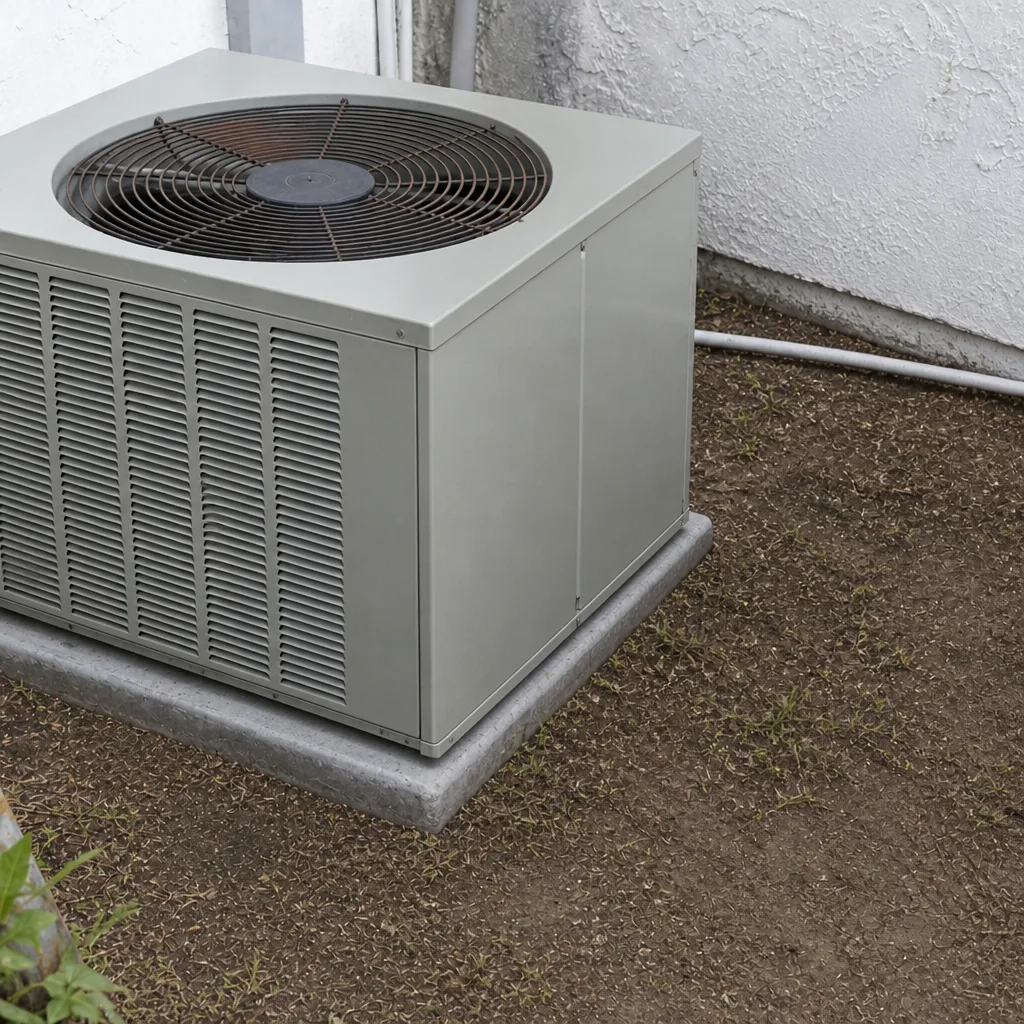
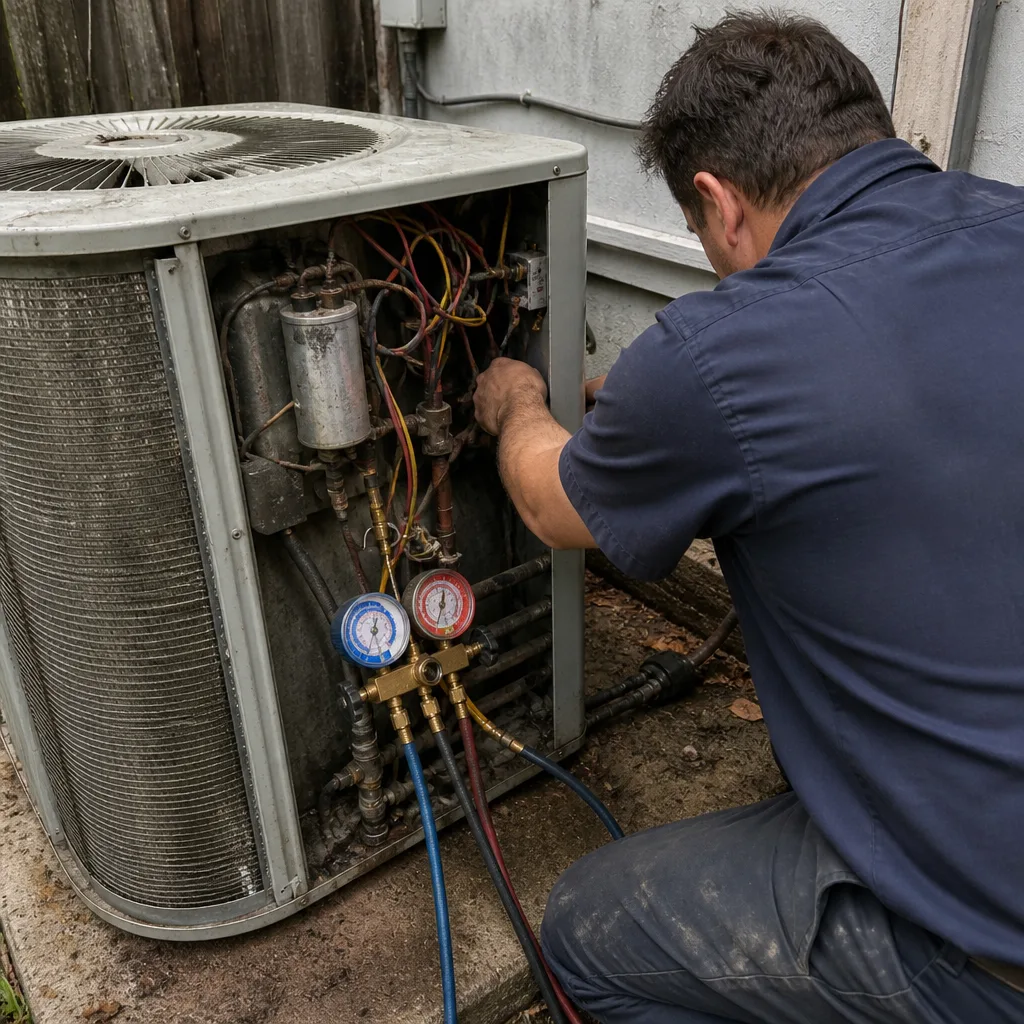
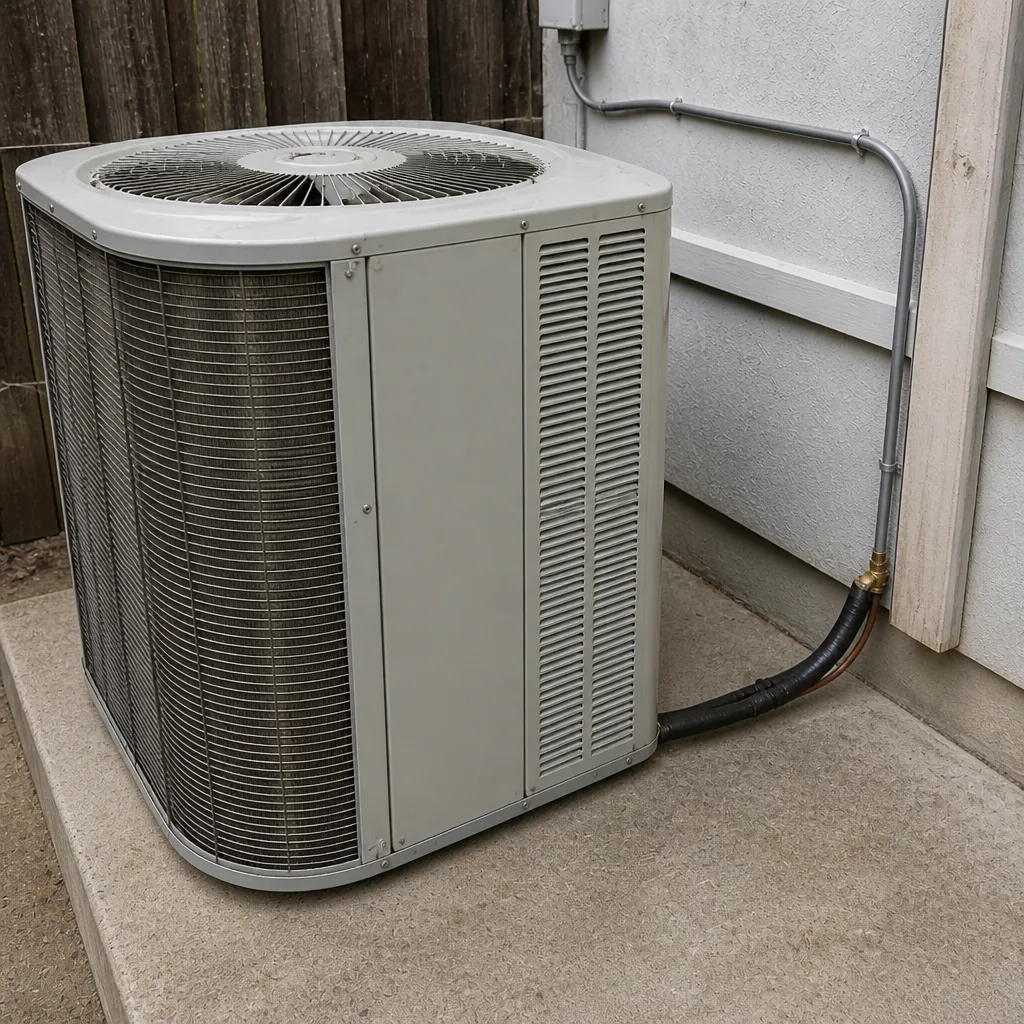
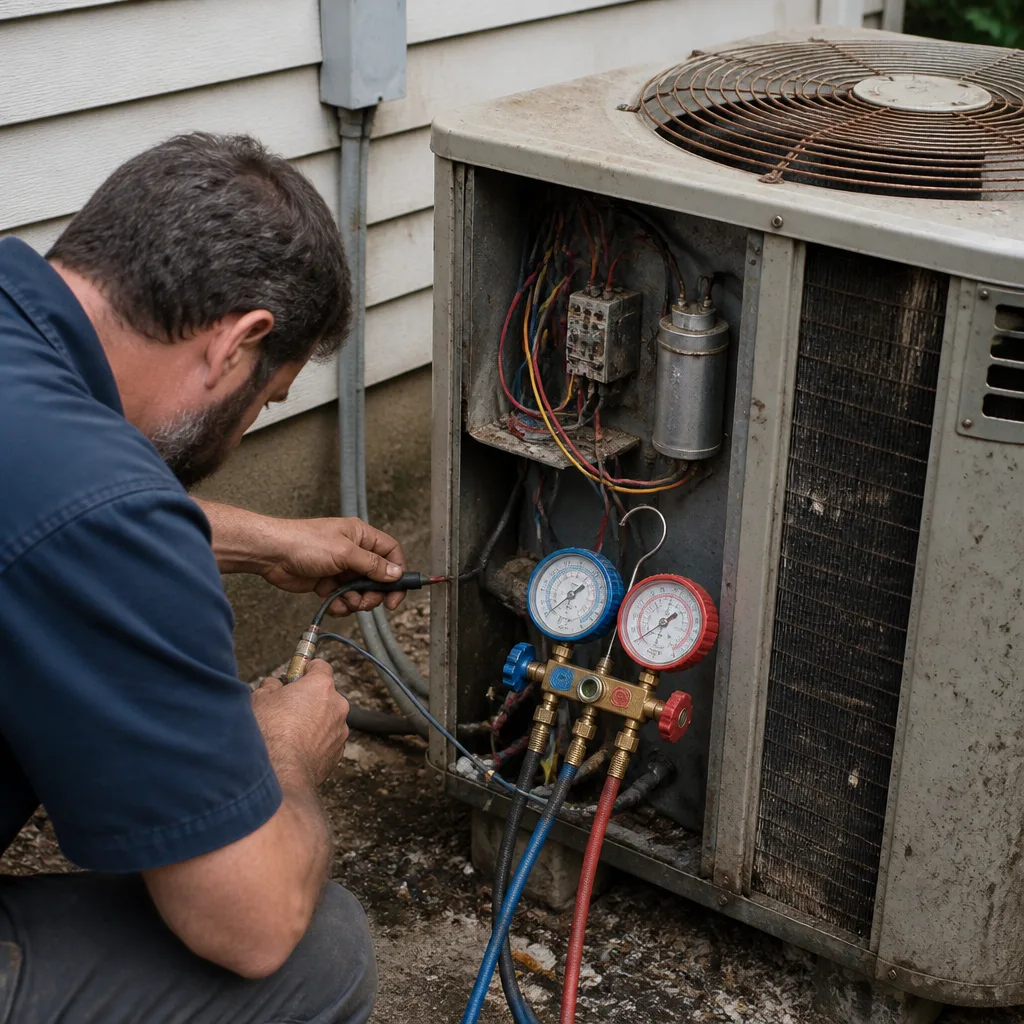
See the difference
 Before
 After
 Before
 After
 Before
 After
When to Call a Professional
Call a licensed HVAC contractor when you’re facing a full system replacement, when the equipment has been running poorly for weeks, or when you’re getting ready to sell and want the paperwork clean before a 4-point inspection. Call when you’re unsure whether a repair needs a permit – that question is exactly the one a contractor should be able to answer in writing before quoting. And call before you accept a bid on a replacement from a contractor who tells you permits aren’t needed, because the whole job is a question mark from that moment on.
AC Repair Riverview offers free estimates in Riverview – call (888) 465-9784. Our technicians have up to 10 years of experience, we work across nine major residential brands, and we handle the permit and inspections on every install we perform. Repair or replace, we’ll tell you which one actually makes sense before you commit to either.
Frequently Asked Questions
Yes. Replacing an air conditioner or air handler in Hillsborough County requires a permit, including like-for-like replacements. Repairing existing equipment usually does not. If you’re replacing a full condenser or air handler, budget for a permit and the associated inspections, and confirm the number with your contractor in writing. Call (888) 465-9784 for a free estimate on a permitted replacement.
Unpermitted HVAC work can affect insurance eligibility during a 4-point inspection and can surface as a problem during a home sale. You may be required to permit the work after the fact, which typically means re-opening access points, paying re-inspection fees, and passing the rough-in and final inspections the original contractor skipped. It’s an avoidable expense, and it’s worth addressing before a sale or renewal rather than after. Call (888) 465-9784 to discuss what corrective permitting requires on your home.
Search Hillsborough County’s public permit system by your address or the permit number. You should see the permit type, the contractor’s name, the scope of work, and the inspection status. A permit that doesn’t appear, or one pulled under a different company’s name, is a red flag worth investigating before the job is finished. If you’re unsure what to look for, call (888) 465-9784 and we can walk you through it.
A 4-point inspection checks the HVAC system’s age, condition, electrical connections, drain routing, and permit history. The inspector is looking for evidence the system is insurable. Unpermitted installation is a common trigger for insurance questions, especially on older homes where a recent replacement doesn’t have a matching permit in the county’s records. Call (888) 465-9784 if your system is close to inspection-triggering age and you want a straight read on it.
A permitted HVAC replacement in Florida should include an ACCA Manual J load calculation and Manual S equipment selection. Both are part of confirming the equipment actually fits your home. Skipping the calculation on a permitted install is one of the common ways undersized and oversized systems end up in Riverview homes. Call (888) 465-9784 and we’ll walk you through what your home’s load actually calls for.
In most cases, no. HVAC permits in Florida are typically pulled by a licensed contractor, and homeowner permits for mechanical work are generally limited or unavailable. That’s another reason to verify the contractor pulled the permit rather than assume it. If a contractor offers to have you “sign off” on the permit as the owner, ask why. Call (888) 465-9784 for a free estimate and we’ll quote the work with the permit included.
The Bottom Line
Hillsborough County requires a permit for HVAC replacement, including same-size swaps. Repair and maintenance typically don’t need one. A permitted install runs through rough-in and final inspections, and the final inspection is what confirms the equipment on site matches the equipment on the permit. The Florida Energy Code relies on Manual J and S to size equipment correctly, which matters more here than in milder climates because of how hard these systems work through the summer. And the permit is public record – one search on your address confirms whether your contractor did what they promised. If the permit isn’t there, the liability is yours until it is.
If it’s time for a replacement, or you need a furnace or AC repair that doesn’t involve a permit, call us at (888) 465-9784. We answer 24/7, fast dispatch runs 7am to 7pm Sunday through Friday, and estimates are free. We work on your brand, not ours – whether you have a Lennox, a Goodman, a Rheem, or a York – and every install we quote includes the permit and inspections in writing.
Written by the team at AC Repair Riverview.