
Last updated November 16, 2026
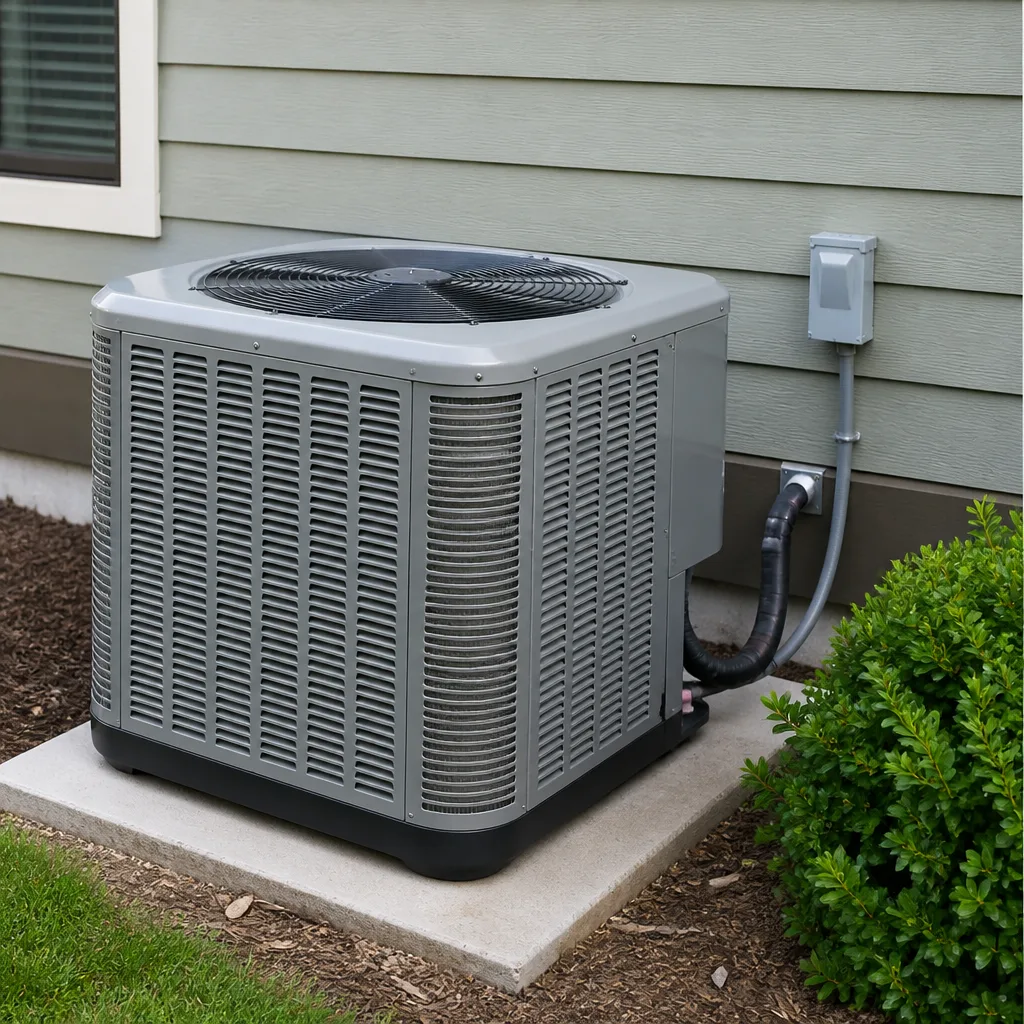 AC repair
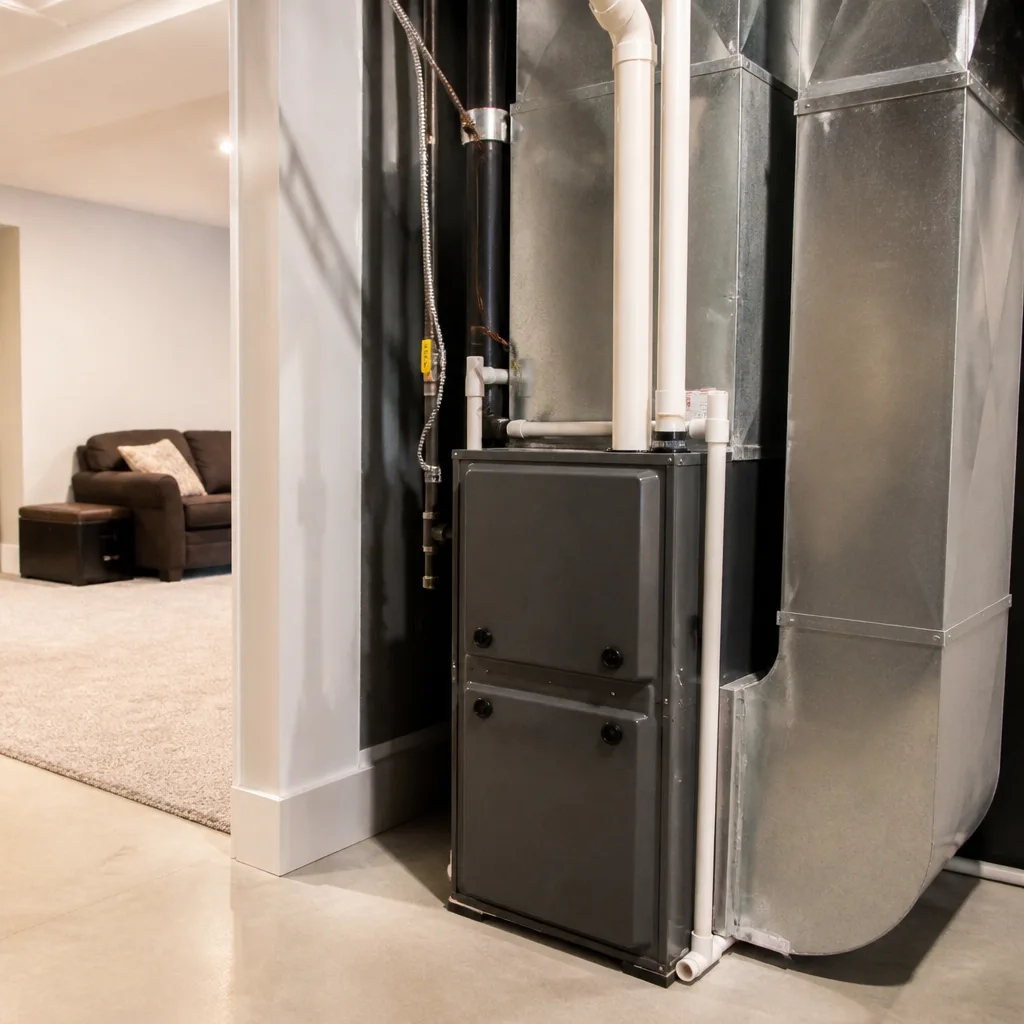 Furnace & heating
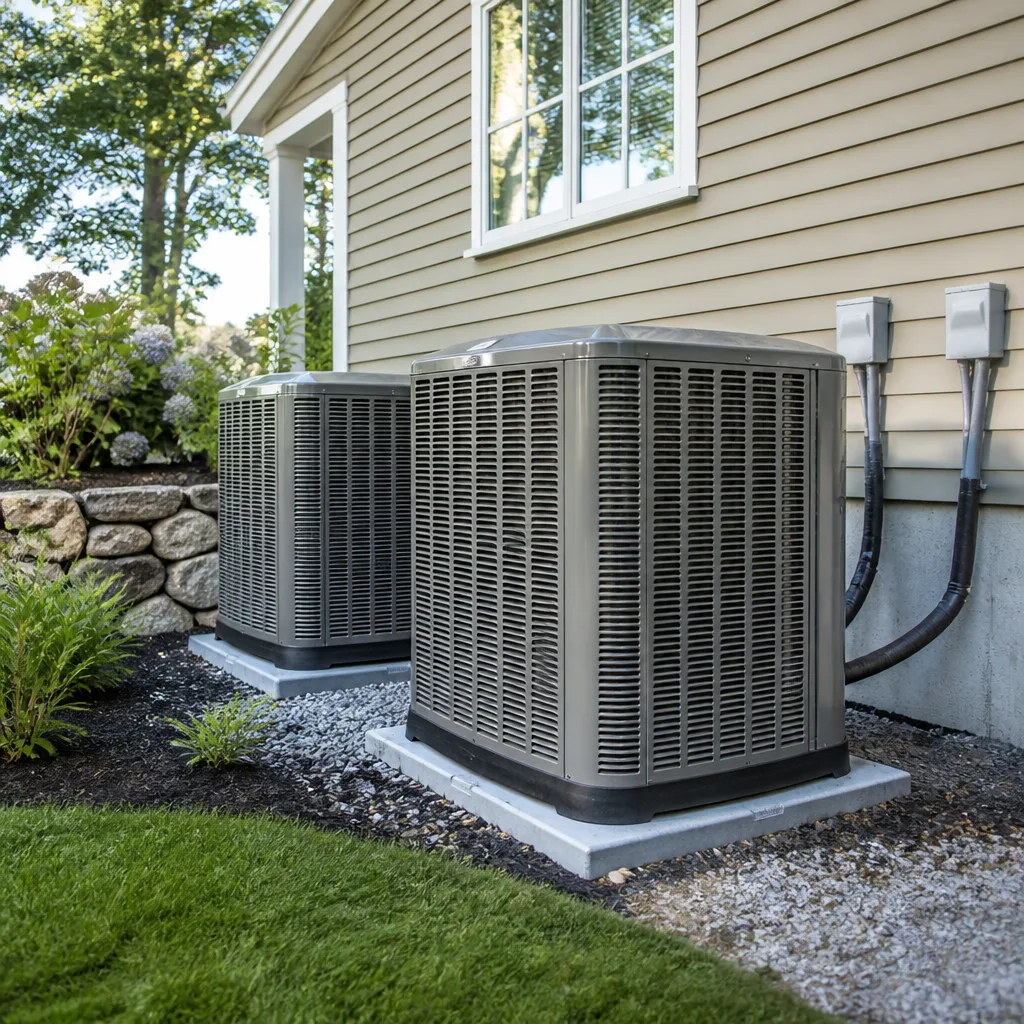 Heat pumps
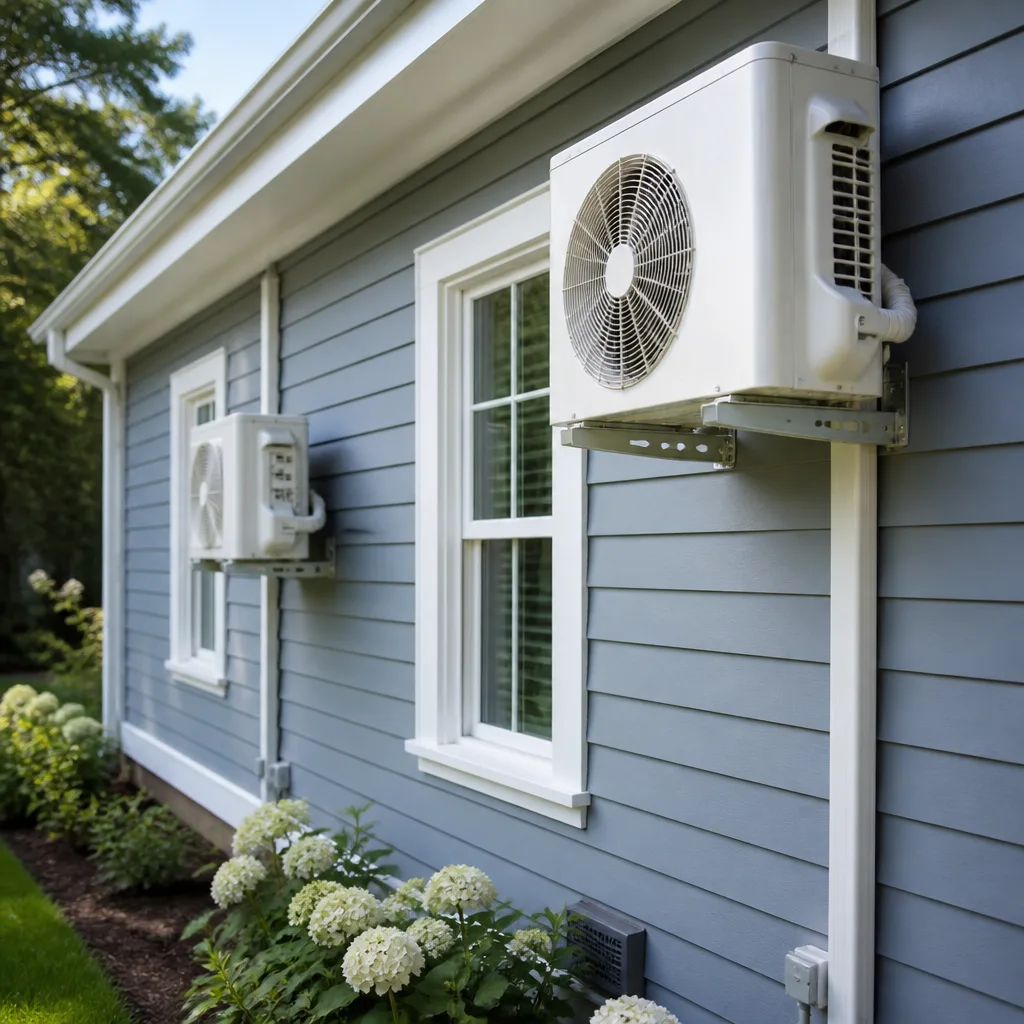 Ductless mini splits
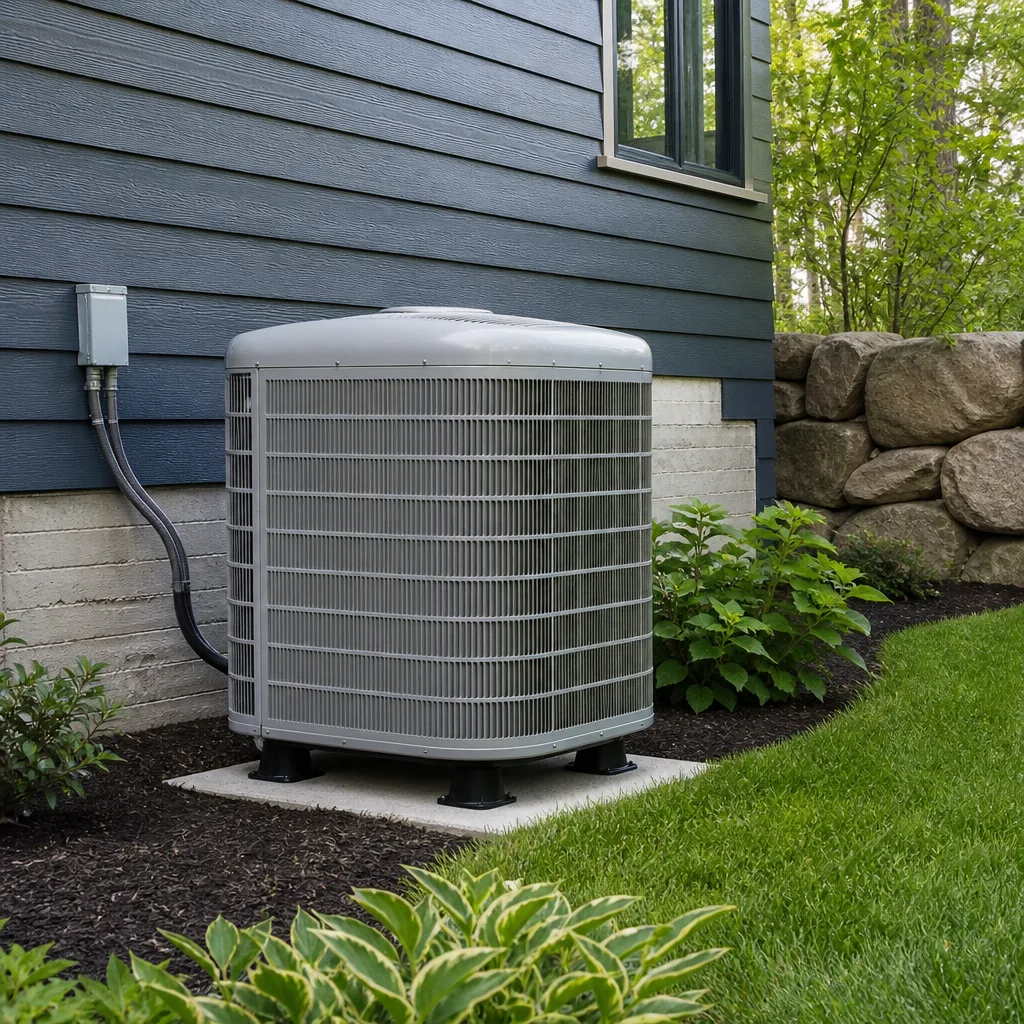 Carrier
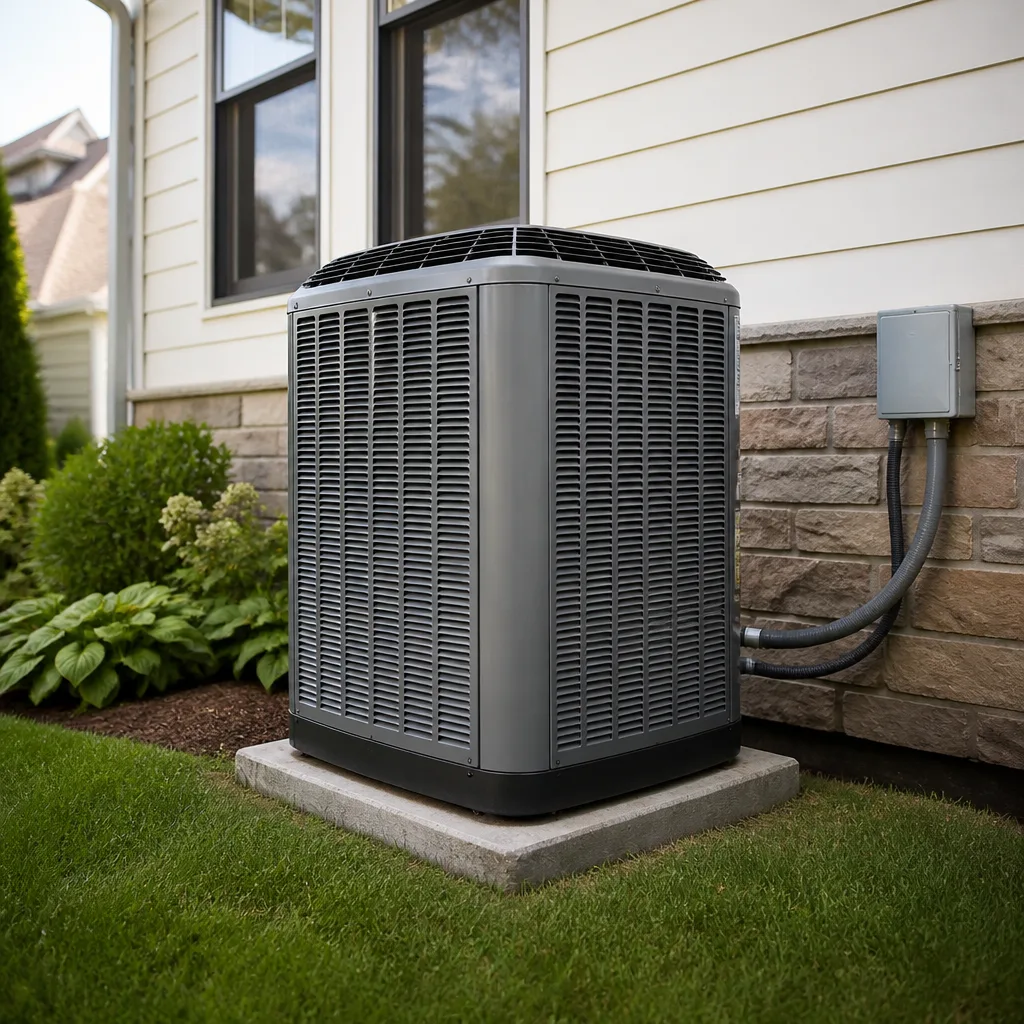 Trane
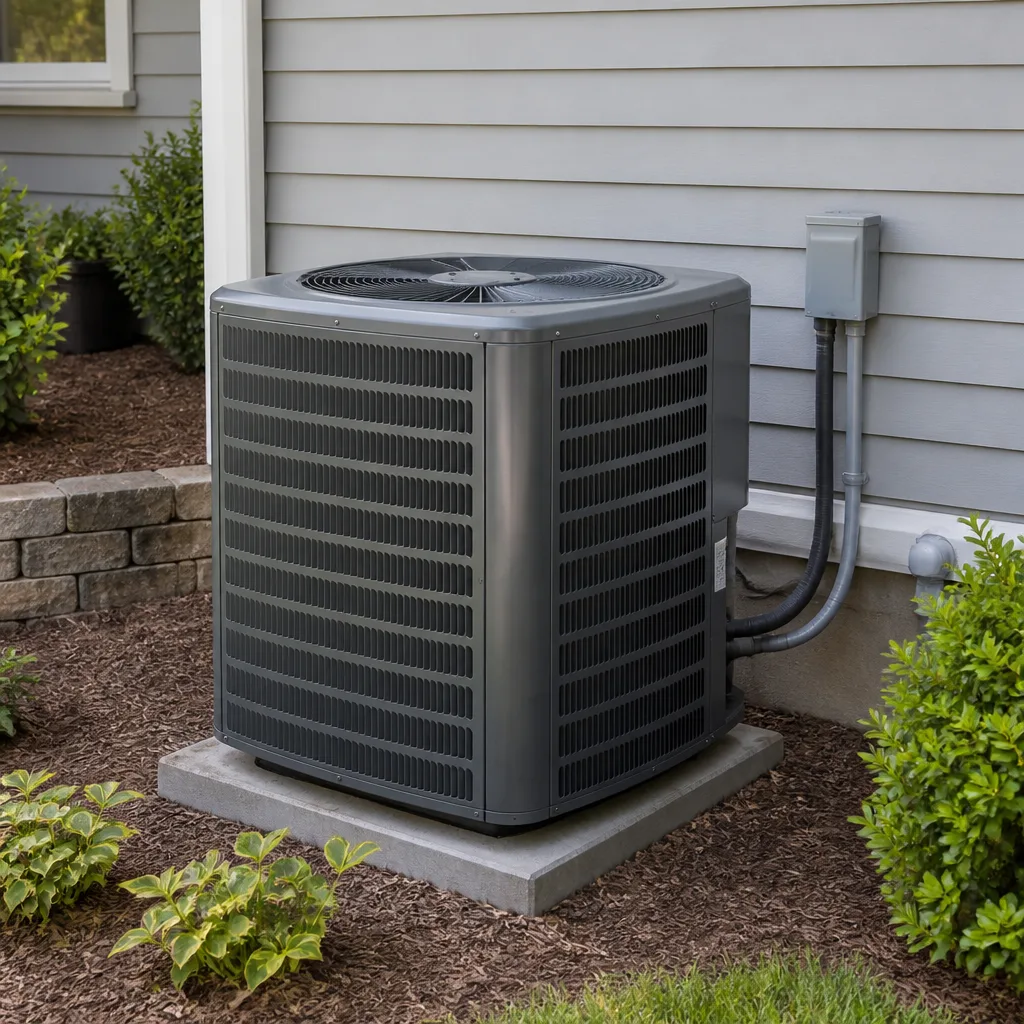 Goodman
Seasonal tune-up and full diagnostic on your Carrier, Trane, or Goodman system - readings shown to you before any repair is proposed
Diagnosis first, numbers second - you approve the repair price before a single part goes in.
Get your free estimateSeasonal HVAC Care for Riverview: Year-Round Homeowner’s Guide
Telling a Riverview homeowner to “get the AC ready for summer” in April misses the point. By April, the system has been running since March and will keep running into October. The calendar most national HVAC content describes – a spring checkup, a fall checkup, four tidy seasons – doesn’t map onto what homes here actually go through. Riverview gets an eight-month cooling season, a short mild window in late fall, and humidity that never fully lets up. This guide lays out a maintenance calendar built around that reality: what to do each month, why the October-December stretch is the most useful window for non-emergency work, how to read your utility bill as an early warning, and what storm prep means for a condenser unit.
Quick Answer
Year-round HVAC care in Riverview means shifting from two big seasonal checkups to a monthly-and-quarterly rotation: keep the condensate drain and coils clean through the long cooling season, use the mild October-December window for any non-urgent repairs or replacement planning, and track your electric bill month over month as the earliest signal of efficiency loss. Filter changes stay on a 30-day cycle for most of the year because the system runs far more months than a national maintenance template assumes.
Styles & brands we work with
- AC repair
- Furnace & heating
- Heat pumps
- Ductless mini splits
- Carrier
- Trane
- Goodman
Table of Contents
- Why Riverview’s Climate Breaks the Standard Maintenance Template
- The Riverview Month-by-Month HVAC Calendar
- The October-December Window: Your Most Valuable Maintenance Season
- Humidity Tasks That Belong on a Monthly Rotation
- Reading Your Utility Bill as an Early Warning System
- Storm Prep for Your HVAC System
- Why Brand Doesn’t Change the Calendar
- When to Call a Professional
Why Riverview’s Climate Breaks the Standard Maintenance Template
Most HVAC maintenance advice is written for a place with four roughly equal seasons. Riverview doesn’t have that. What it has is a long cooling season that starts early and ends late, a brief mild stretch from roughly late October into December when neither heating nor cooling runs hard, and a humidity profile that stays elevated through most of the year. That shape changes what maintenance actually matters and when.
Here’s the practical difference. In a four-season climate, the AC gets a rest for months, and the furnace carries the load. Here, the AC is the primary system for the overwhelming majority of the year, and the furnace or heat pump’s heating side runs lightly for a short window. That means wear concentrates on the cooling side: the condenser works longer hours, the evaporator coil stays wet longer, and the condensate drain carries more water for more months. Components that a national checklist treats as annual items – coil cleaning, drain flushing, filter swaps – need to happen more often to keep up.
The mild winter also means the heating system can sit idle for long enough that problems go unnoticed until the first cool night. A furnace that ran fine last year can develop a pilot, ignition, or blower issue during months of disuse. We’ve seen plenty of homes in Riverview where the first cold snap is also the first time anyone thinks about the furnace since the previous spring.
So the calendar below isn’t a repurposed national template. It’s built around an eight-month cooling load, a short shoulder season, and year-round humidity. If you want the fundamentals of how your system fits together before diving into the calendar, our AC Repair Riverview page covers the service basics.
The Riverview Month-by-Month HVAC Calendar
Think of this as a working calendar rather than a rigid schedule. The months are approximate to the local climate, and a cool or warm year will shift things by a few weeks. But the sequence holds.
January – February: The Quiet Window
- Change the filter at the start of the window; the system runs less, so a 60-day filter interval is reasonable here.
- Run the heating side for a short cycle once a month so seals, belts, and ignition components don’t sit idle for weeks.
- Check the condensate drain pan for standing water or algae growth – even in the mild months, humidity keeps biological growth possible.
- Look at the outdoor condenser for debris buildup at the base and any sign of pest nesting inside the cabinet.
March – April: Cooling Season Begins
- Switch back to a 30-day filter cycle as the AC starts carrying load.
- Clear the area around the condenser – at least two feet of clearance on all sides so it can reject heat properly.
- Test the cooling cycle on a mild day before you need it, so any problem surfaces on your schedule, not on the first hot weekend.
- Flush the condensate drain line to clear the slight film that accumulates over the cooler months.
May – September: Peak Load
- Filter every 30 days. In dusty conditions or with pets, check it at the two-week mark.
- Flush the drain line monthly – this is the single most neglected task in the long cooling season.
- Wash the outdoor condenser coil gently with a garden hose once mid-season, after the spring pollen load has passed.
- Listen for changes in cycle length or new noises; both are early signals covered in the utility bill section below.
October – December: The Shoulder Season
- This is your window for any non-urgent repair or replacement planning. More below.
- Do a full coil inspection and cleaning now, after the heavy season and before the next.
- Run the heating side for a test cycle before the first genuinely cool night.
- Review your utility bills from the peak months against the same months a year earlier.
The October-December Window: Your Most Valuable Maintenance Season
If there’s one adjustment that matters most for a Riverview homeowner, it’s this: the late-fall shoulder season is the best time of year to handle anything that isn’t an emergency. The cooling load has dropped, the heating load hasn’t fully arrived, and the system is running light enough that a technician can do thorough work without pulling a system offline during a heat wave.
What belongs in this window:
- Deferred repairs. Anything you noticed during the peak season but put off – a slightly weak airflow, a room that never quite cools, a rattle – is cheaper and easier to fix now than in July.
- Full coil cleaning. The evaporator coil has run wet for months. A thorough cleaning in the shoulder season sets up the next cooling season properly.
- Replacement planning. If your system is heading toward the end of its useful life, this is the window to think about AC installation rather than scrambling in a heat wave. Lead times, scheduling, and equipment availability are all better outside the peak.
- Heating-side verification. Get the furnace or heat pump’s heating mode checked before you need it, so a small issue doesn’t turn into a cold-night emergency.
The other reason the shoulder season matters: it’s when a homeowner can actually think about the repair-or-replace decision without pressure. That decision deserves unhurried attention, and October through December gives you that. If something does fail on the heating side during this stretch, our furnace repair service covers the fix.
Humidity Tasks That Belong on a Monthly Rotation
Humidity is the task that separates a real Riverview maintenance plan from a national one. In a place where the moisture load never really goes away, the parts of your system that handle water need attention far more often than once a year.
Three components belong on a monthly rotation:
- The condensate drain line and pan. As the coil cools and dehumidifies, water drains continuously through the long season. Algae and biofilm grow in that line, and a partial clog reduces drainage and can back water into the pan or the cabinet. A monthly flush keeps it clear. If your system has a float switch, a clog will usually trip it and shut the system down – which is safer than a flooded ceiling, but still a failure you’d rather avoid.
- The evaporator coil. A wet coil collects dust, and in a humid climate that dust turns into a matted film that insulates the coil and cuts efficiency. Full cleaning is a shoulder-season job, but a visual check and gentle attention to the accessible parts of the coil during peak months keeps it from getting bad.
- The dehumidifier, if you run one. A standalone or whole-home dehumidifier has its own filter, drain, and coil that need the same monthly attention. A clogged dehumidifier filter does the opposite of its job and can add heat to the space.
If you notice the house feeling clammy even when the thermostat reads a comfortable temperature, that’s usually a sign the system is short-cycling on temperature while leaving moisture behind. That pattern is worth diagnosing rather than living with – a technician can tell whether it’s a control setting, airflow, or an equipment sizing issue.
Reading Your Utility Bill as an Early Warning System
Your electric bill is the cheapest diagnostic tool you own, and most homeowners only look at it after something breaks. Used properly, it tells you a system is losing efficiency months before a failure.
The method is simple. Compare the same month across two or three years, not consecutive months – the seasonal swing in Riverview is large enough that month-to-month comparison tells you nothing useful. Then adjust for obvious variables: a rate change, a new appliance, a house full of guests. What you’re looking for is a steady upward drift in the same month year over year, with no change in how you use the house.
Patterns that point to specific problems:
- Gradual climb every summer. Usually a dirty coil, a failing capacitor, low refrigerant charge, or restricted airflow from a filter or duct issue.
- Sharp jump in one month. Often a component failure that’s forcing longer run times – a failing compressor, a stuck reversing valve on a heat pump, or a blower motor on its way out.
- Higher bills in the mild months too. Suggests the system is running when it shouldn’t, which can be a thermostat or control problem.
None of these are diagnoses on their own, but each one tells you it’s time to have the system looked at. Catching a failing capacitor from a bill pattern is far cheaper than catching it after a compressor has been damaged by repeated hard starts.
Storm Prep for Your HVAC System
Riverview’s storm season means wind, rain, and the occasional lightning strike. “Storm prep” for HVAC isn’t about wrapping the unit in plastic – that usually traps moisture and does more harm than good. It’s about three things: protecting the condenser from physical damage, protecting the electronics from power events, and knowing what to check afterward.
Before a storm
- Clear loose objects from around the condenser – branches, lawn furniture, anything the wind can turn into a projectile aimed at the coil fins.
- Make sure the disconnect is accessible. You don’t need to pull it unless your utility or a professional advises it, but you should know where it is.
- If you have a surge protective device on the HVAC circuit or the main panel, confirm it’s working. If you don’t, ask an electrician about one – a direct lightning strike is not always preventable, but a surge device covers a lot of the smaller events that damage control boards.
After a lightning event or major storm
- If the system won’t come on, don’t reset breakers repeatedly. A tripped breaker after a lightning event can mean a damaged component, and repeated resets can cause further damage.
- Look at the condenser coil for bent fins or debris. Gently straightening visible fin damage is fine; don’t try to open the cabinet.
- Check the condensate drain after heavy rain if the unit is anywhere near grade – a backed-up drain plus storm moisture can overflow a pan quickly.
- Call for a diagnostic if you see any sign of scorching, smell burning, or the system trips a breaker. Electrical faults are not a do-it-yourself area – a trained technician should trace them.
A note on the surge topic: control boards and variable-speed drives are the parts most sensitive to power events, and they’re also the most expensive to replace on modern equipment. A surge device is cheap insurance against that class of failure.
Why Brand Doesn’t Change the Calendar
The monthly-and-quarterly rhythm above works the same whether your system carries a Carrier, Trane, Lennox, or Goodman nameplate. What changes is the parts and the diagnostics, not the maintenance cadence. A wet coil in Riverview collects the same film on a Trane as it does on a Goodman, and the drain line clogs at the same rate regardless of the logo on the cabinet.
Where brand does matter is at the repair stage. Different manufacturers use different control boards, capacitors, and refrigerant charge specs, and a technician who works across multiple brands is better positioned to diagnose the actual problem rather than defaulting to a recommendation to swap the whole system. We work on your brand, not ours – which means the maintenance calendar stays focused on what your system needs, and any repair recommendation follows the diagnosis.
The other practical point: the calendar should drive your timing, not a sales cycle. If your system is fine, the calendar says keep maintaining it. If it’s failing, the shoulder season is when you plan a replacement on your terms. For local context on how the climate and housing here shape these decisions, our Riverview page covers the area basics.
Common Mistakes to Avoid
- Following a national two-checkup calendar. A spring-and-fall schedule assumes four seasons. In Riverview, the AC runs for eight months, so a single annual service leaves too much wear between visits. Build the calendar around the long cooling season instead.
- Skipping the monthly drain flush. The condensate line is the most common cause of mid-summer shutdowns here, because it grows biofilm continuously in the humid months. A monthly flush takes minutes and prevents most of those calls.
- Waiting for a failure to plan a replacement. If your system is aging, the October-December window is when replacement planning is calm and scheduling is easy. Waiting until the system dies in July forces a rushed decision at the worst possible time.
- Ignoring a rising utility bill. A slow year-over-year climb is the most reliable early warning you’ll get. Treat it as a prompt to get the system checked, not a fact of life.
- Wrapping the condenser for storms. Household plastic wrap traps moisture and can overheat the unit if it’s inadvertently left on. Clear the area around the unit instead, and focus on surge protection for the electronics.
- Assuming the furnace is fine because it worked last winter. The heating side sits idle for months here, and problems develop in that idle time. Run a test cycle in the shoulder season before the first cool night.
- Letting a specialist-versus-generalist decision slide. HVAC maintenance rewards a specialist who does this work every day. A generalist split across several trades won’t know the specific failure patterns of the equipment in your home.
When to Call a Professional
Some tasks belong on your own calendar: filter changes, drain flushes, clearing debris around the condenser, and watching your utility bill. Others need a trained technician. Call a professional when the system trips a breaker, when you smell burning or see scorch marks, when the AC runs but doesn’t cool, when you hear grinding or repeated hard starts, or when the utility bill climbs with no explanation. Call before you plan a replacement, and call in the shoulder season for a full coil cleaning and a heating check.
Electrical faults and refrigerant work are not do-it-yourself territory – a shock hazard and a refrigerant handling issue are both real, and neither is worth a homeowner’s attempt. AC Repair Riverview offers free estimates in Riverview – call (888) 465-9784. We answer 24/7. Fast dispatch from 7am to 7pm, Sunday through Friday, closed Saturday.
See the difference
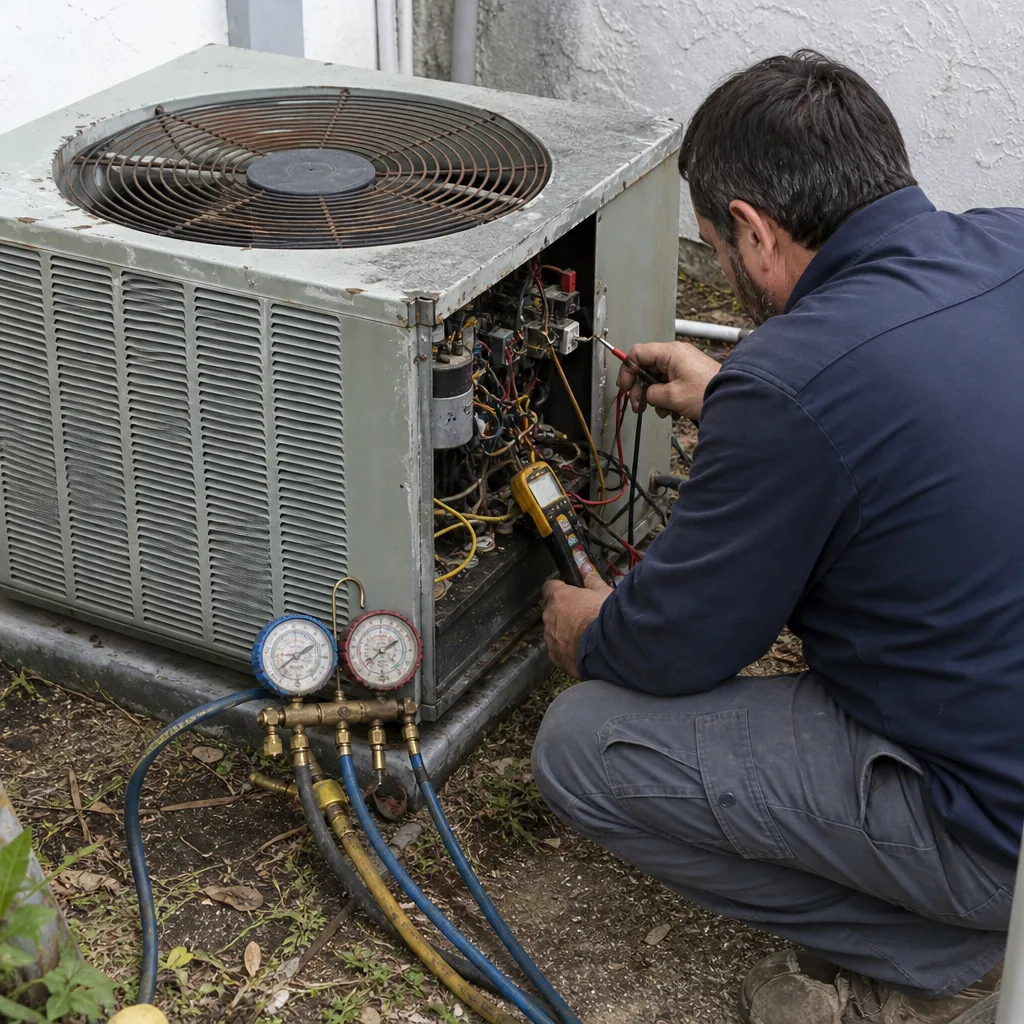 Before
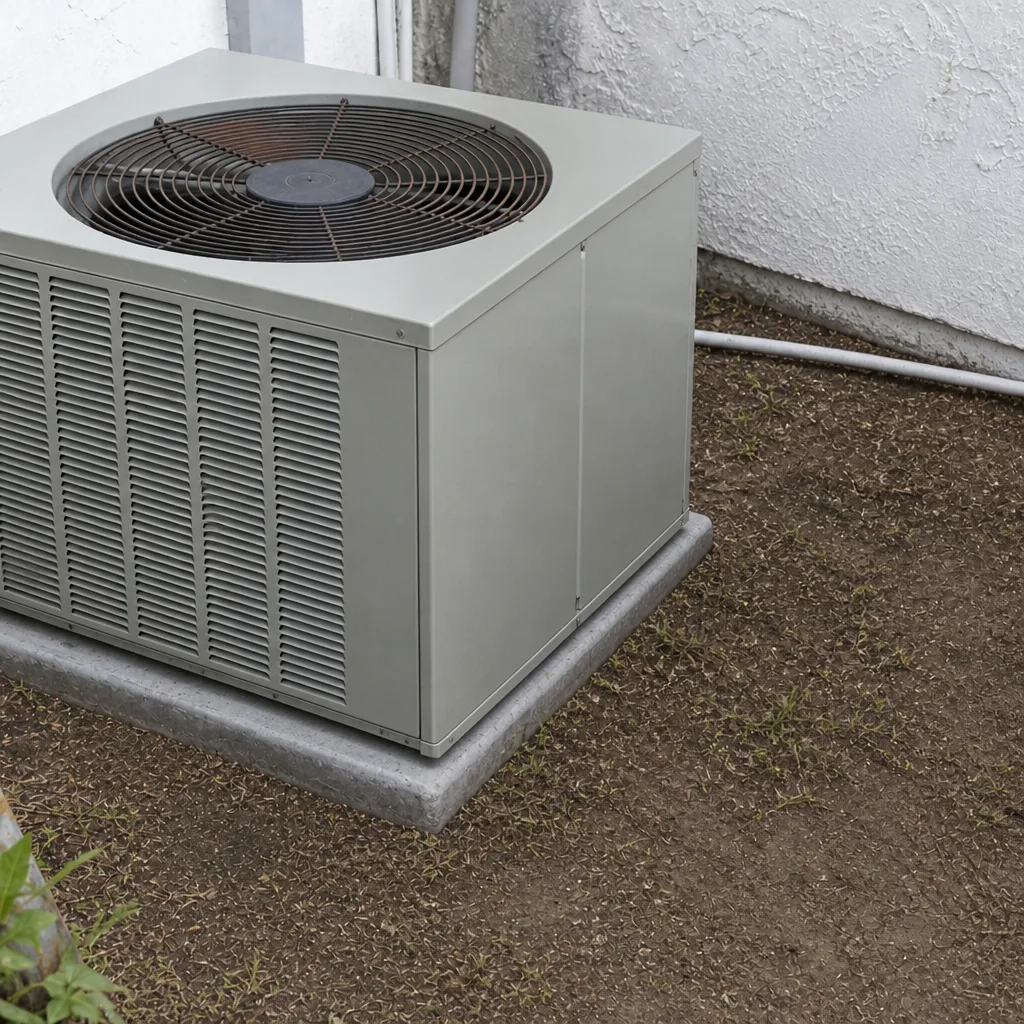 After
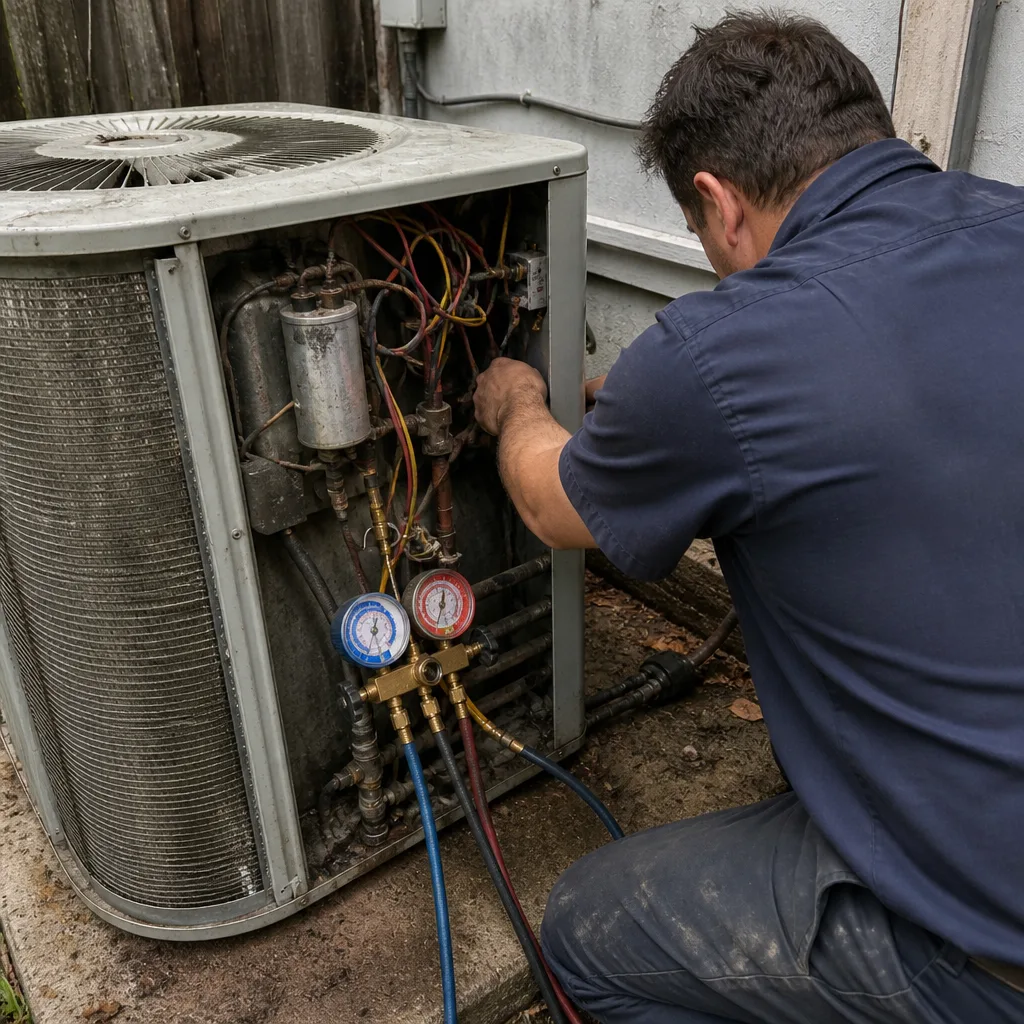 Before
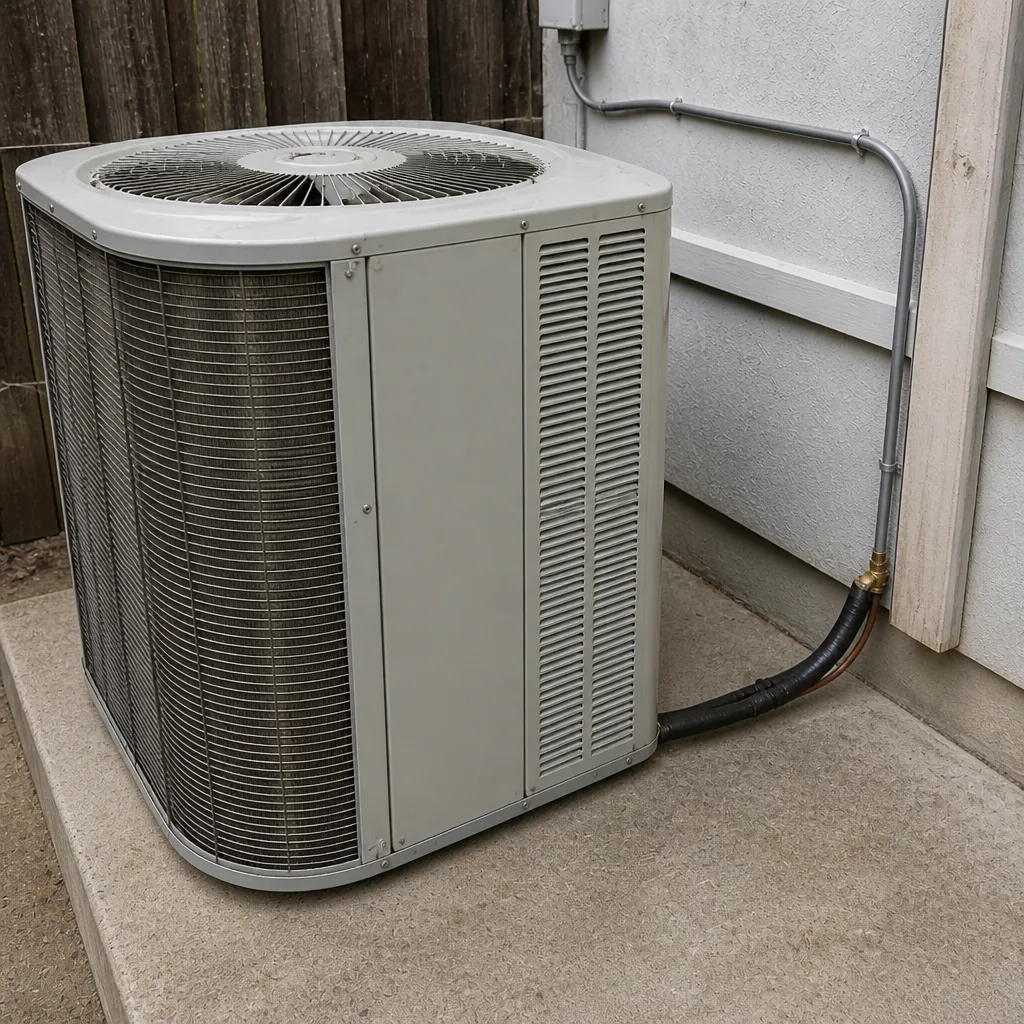 After
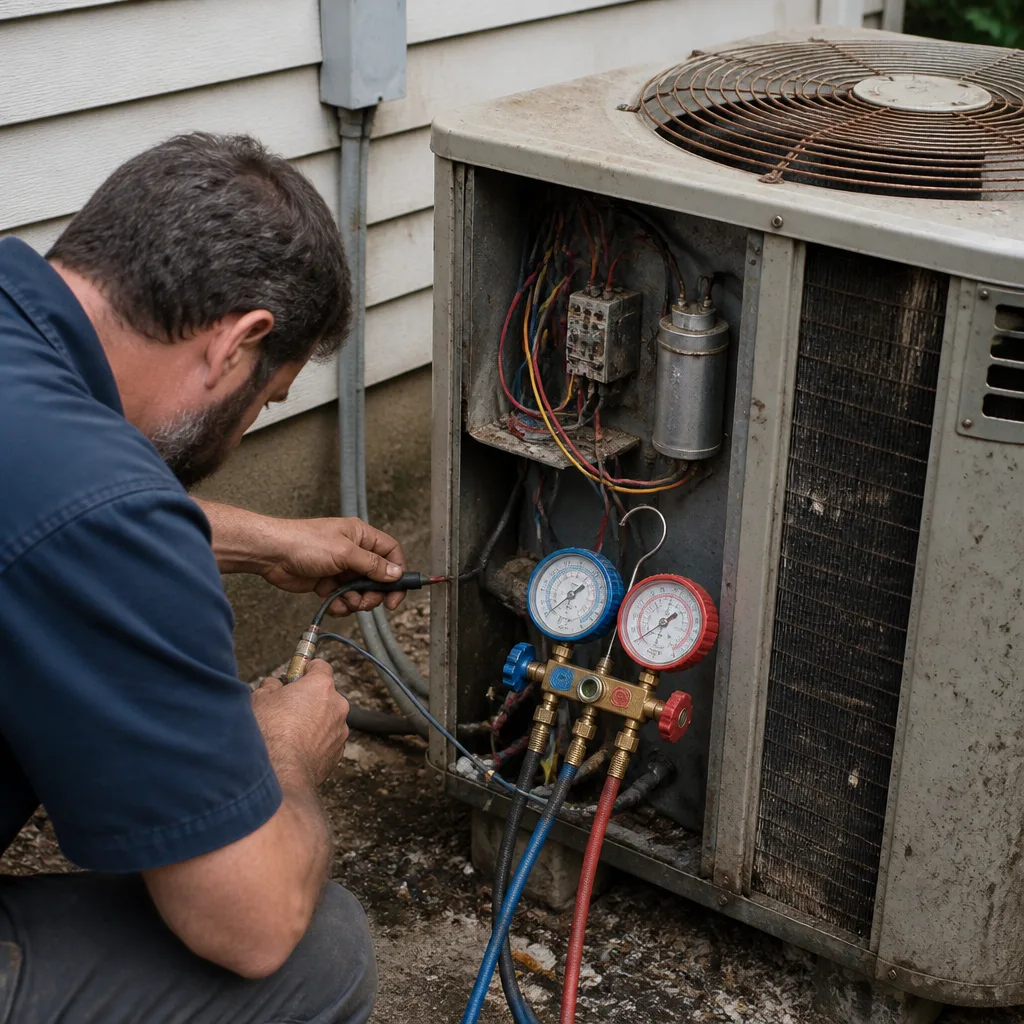 Before
 After
Frequently Asked Questions
Every 30 days during the long cooling season, and every 60 days during the milder months. The system runs far more months per year here than in a four-season climate, so a quarterly national filter schedule leaves the filter loaded well before the next change. Homes with pets or dusty conditions should check at two weeks. Call (888) 465-9784 for an exact quote on a service visit – estimates are free.
Not in the two-checkup form national advice describes. A spring checkup makes sense because the cooling season is about to start, but the fall visit should focus on a full coil cleaning, heating-side verification, and deferred repairs rather than a light tune-up. The October-December window is the highest-value time for that work. Call (888) 465-9784 to schedule – estimates are free.
Usually because the system is short-cycling on temperature while leaving moisture behind, which points to a control setting, airflow issue, or sizing problem. A clammy feel at a comfortable thermostat reading is worth diagnosing rather than living with. Call (888) 465-9784 for an exact quote on a diagnostic visit – estimates are free.
If the system won’t come on, don’t reset breakers repeatedly; call for a diagnostic instead. Look for bent fins or debris on the outdoor unit, check the condensate drain if heavy rain accompanied the storm, and treat any burning smell or scorch mark as an electrical fault that needs a trained technician. Call (888) 465-9784 – estimates are free.
Not necessarily. A gradual year-over-year climb in the same month usually means a dirty coil, a failing capacitor, low refrigerant charge, or restricted airflow – all repairable. A new system is a different decision, and it deserves a diagnostic before it’s made. Call (888) 465-9784 for an exact quote – estimates are free.
No. The cadence – monthly drain flushes, 30-day filters in the cooling season, shoulder-season coil cleaning, heating-side test cycles – is the same whether you have a Carrier, Trane, Lennox, or Goodman system. What changes is the parts and diagnostics at repair time, not the maintenance rhythm. Call (888) 465-9784 for an exact quote – estimates are free.
The Bottom Line
Riverview HVAC care isn’t a spring-and-fall checklist; it’s a calendar built around an eight-month cooling season, a short shoulder season, and year-round humidity. Keep filters on a 30-day cycle through the long season, flush the condensate drain monthly, and reserve the October-December window for coil cleaning, deferred repairs, and replacement planning. Use your utility bill as an early warning and treat storm prep as a three-part routine: clear the condenser, protect the electronics, and know what to check afterward. The tasks you handle monthly prevent most of the calls no homeowner wants to make. When you do need a technician, AC Repair Riverview is here. Our technicians have up to 10 years of experience. Call (888) 465-9784 for a free estimate. We answer 24/7. Fast dispatch from 7am to 7pm, Sunday through Friday, closed Saturday.
Written by the team at AC Repair Riverview.