
Last updated November 16, 2026
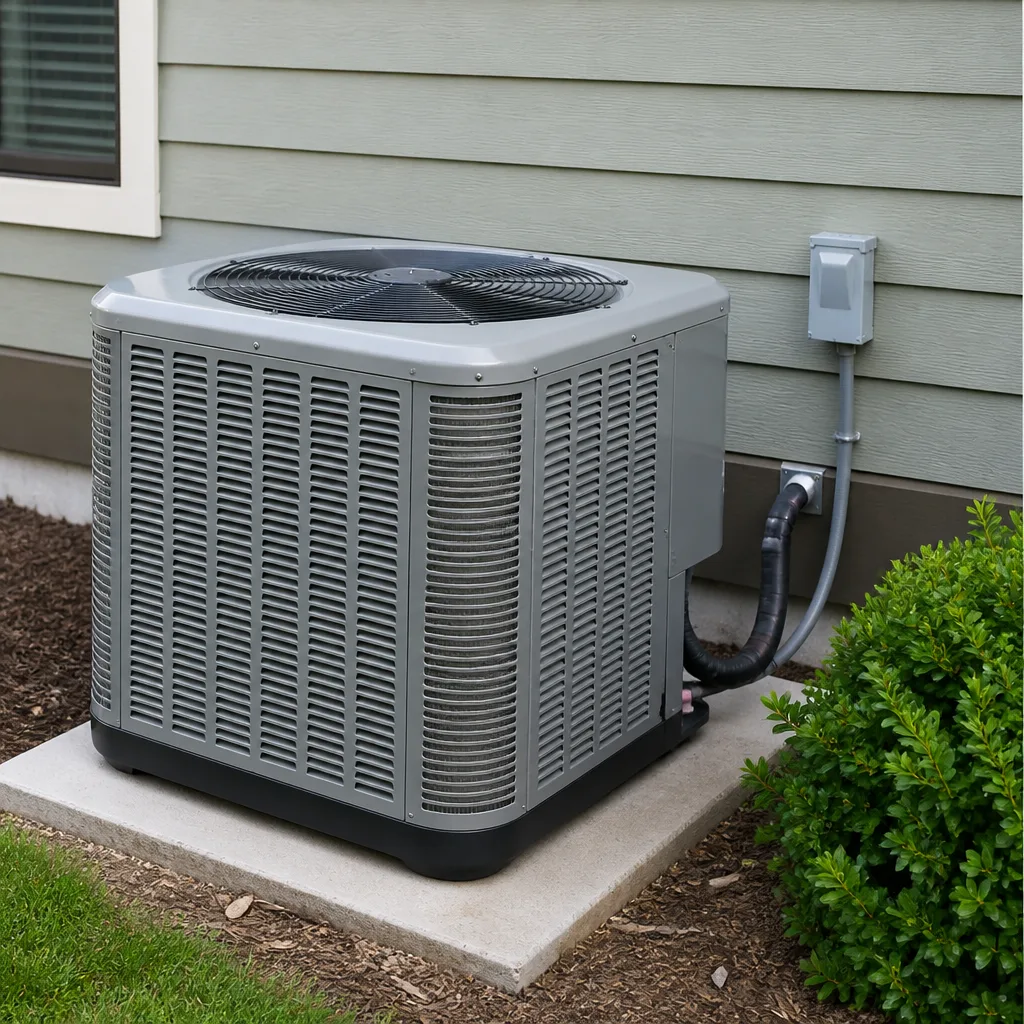 AC repair
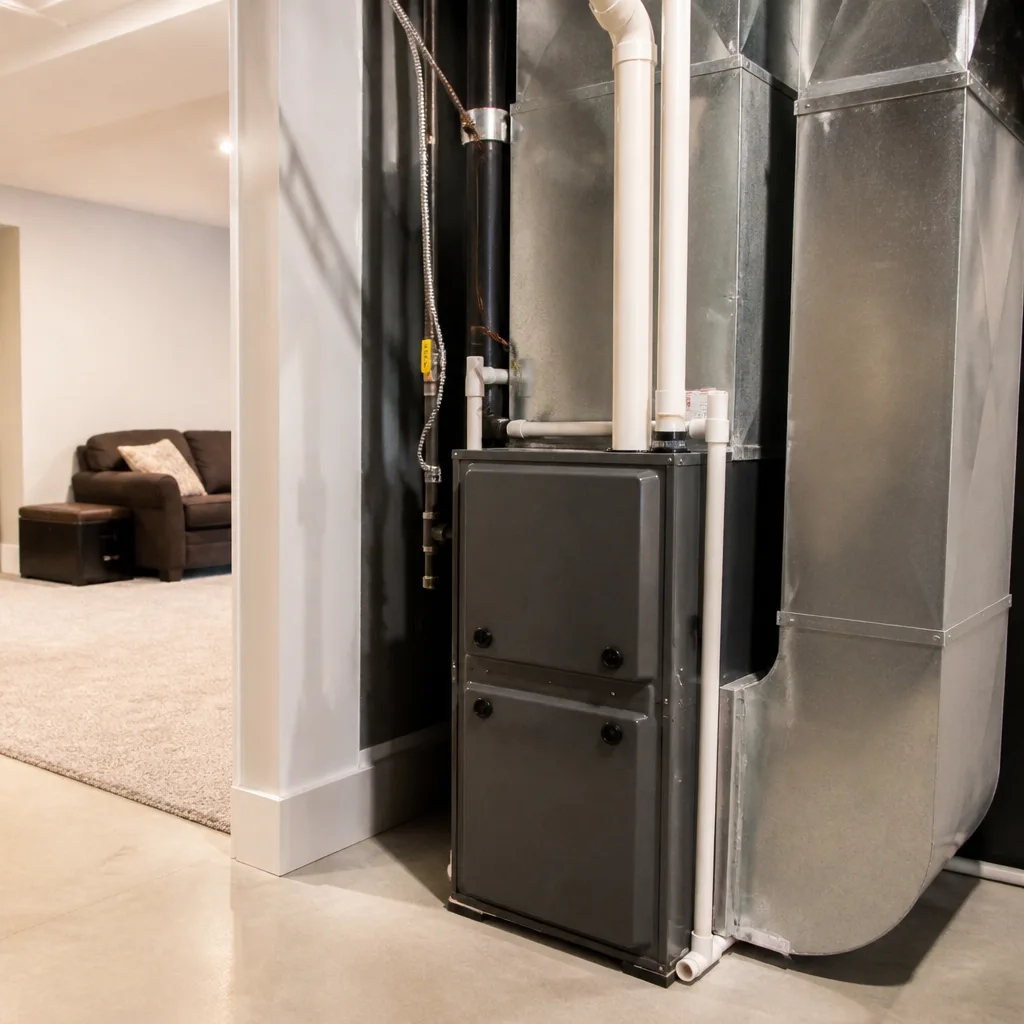 Furnace & heating
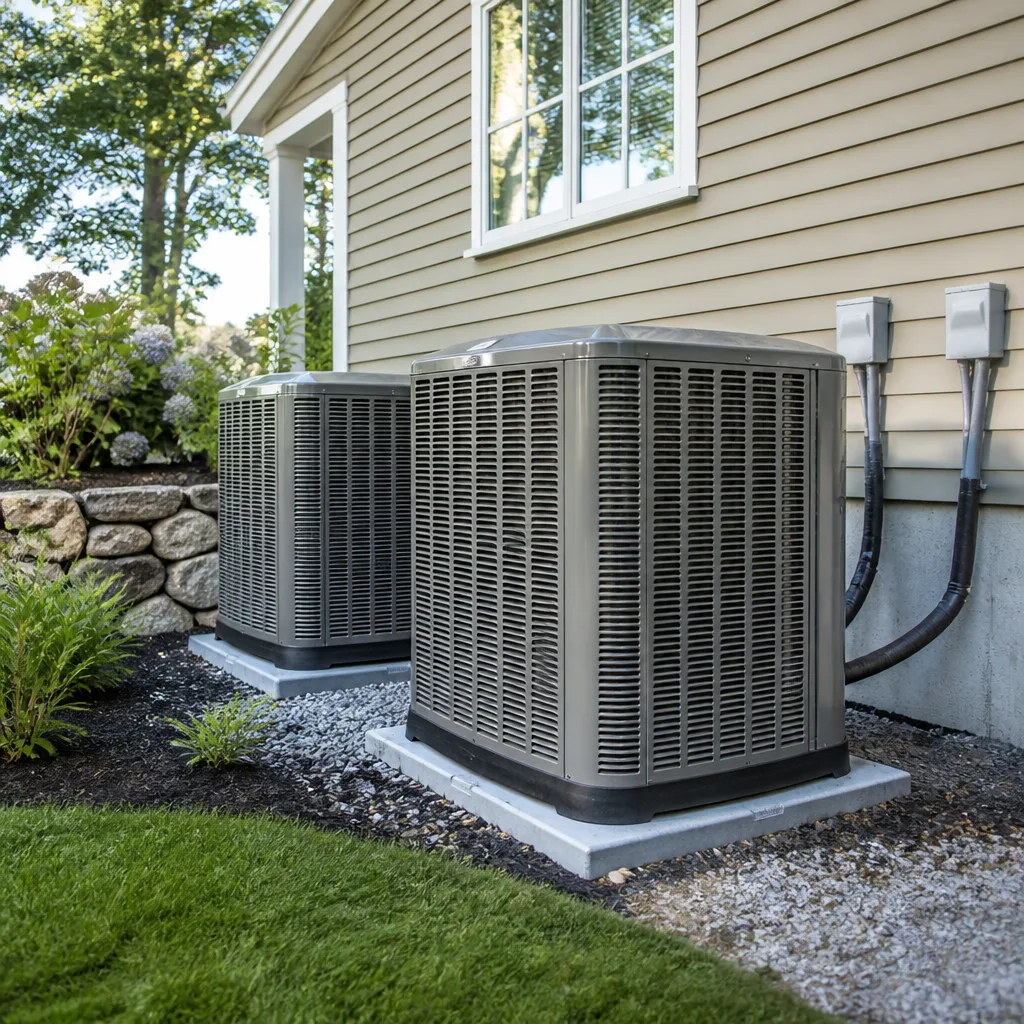 Heat pumps
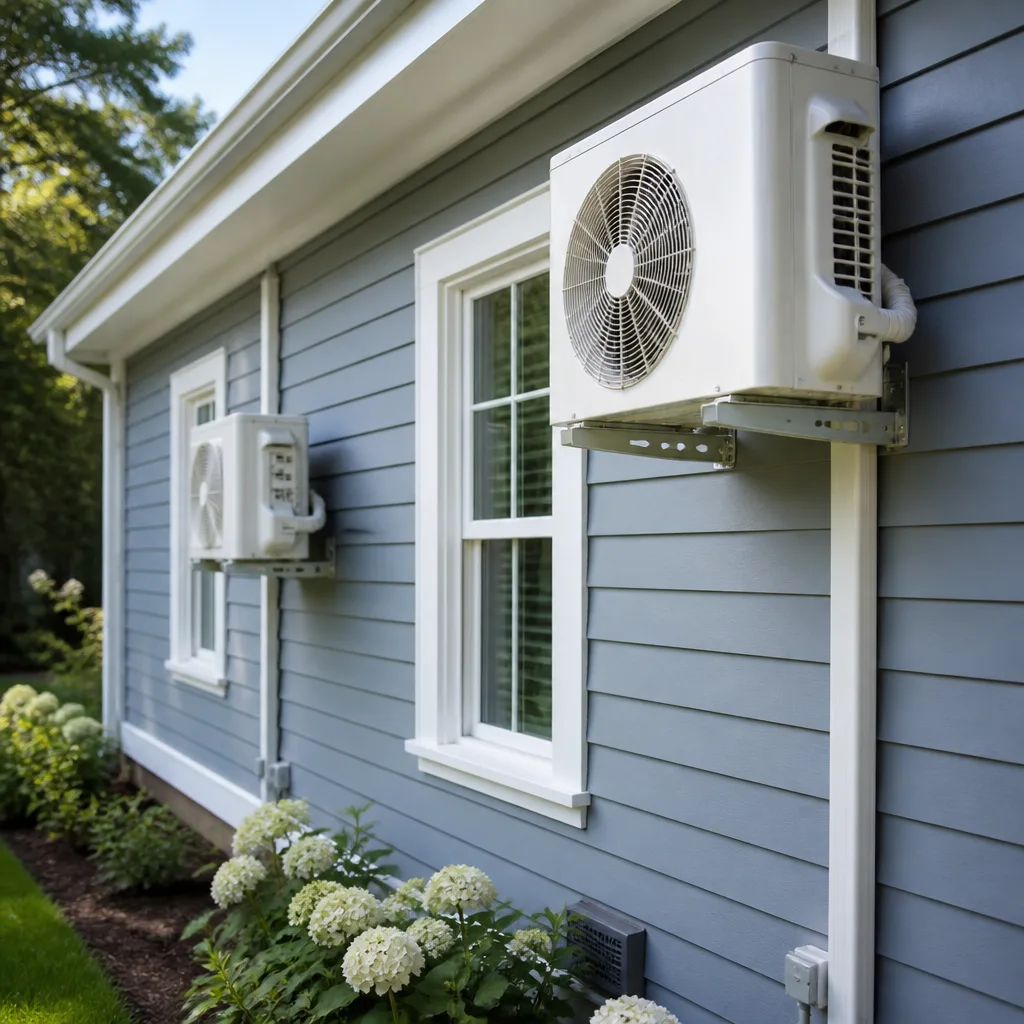 Ductless mini splits
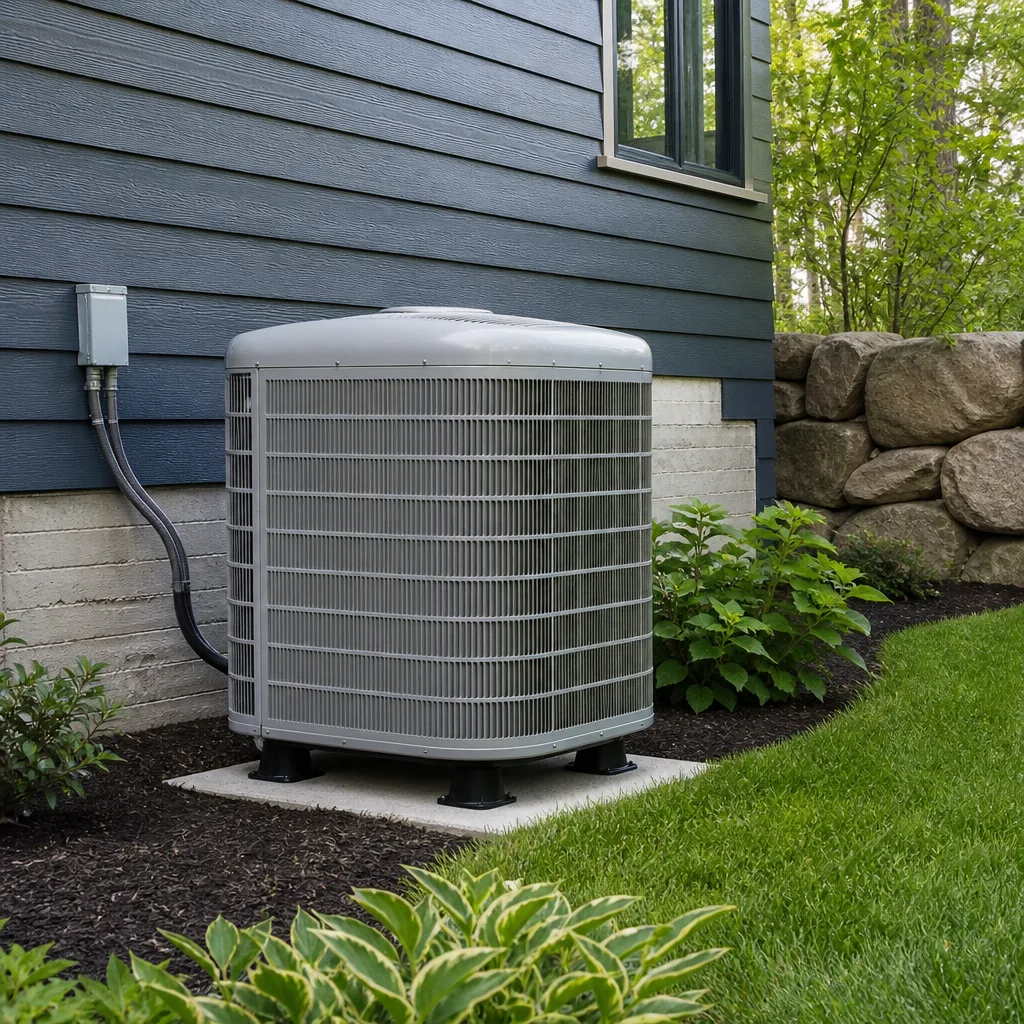 Carrier
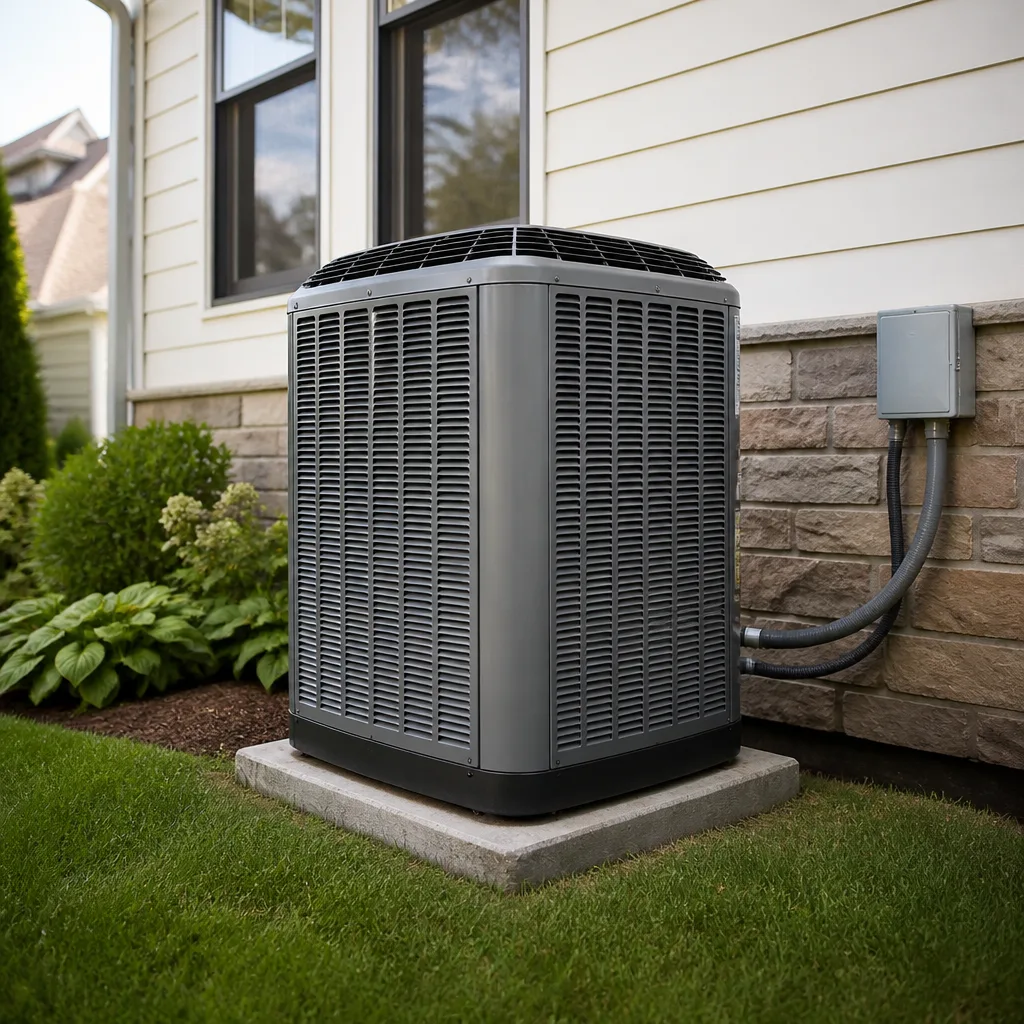 Trane
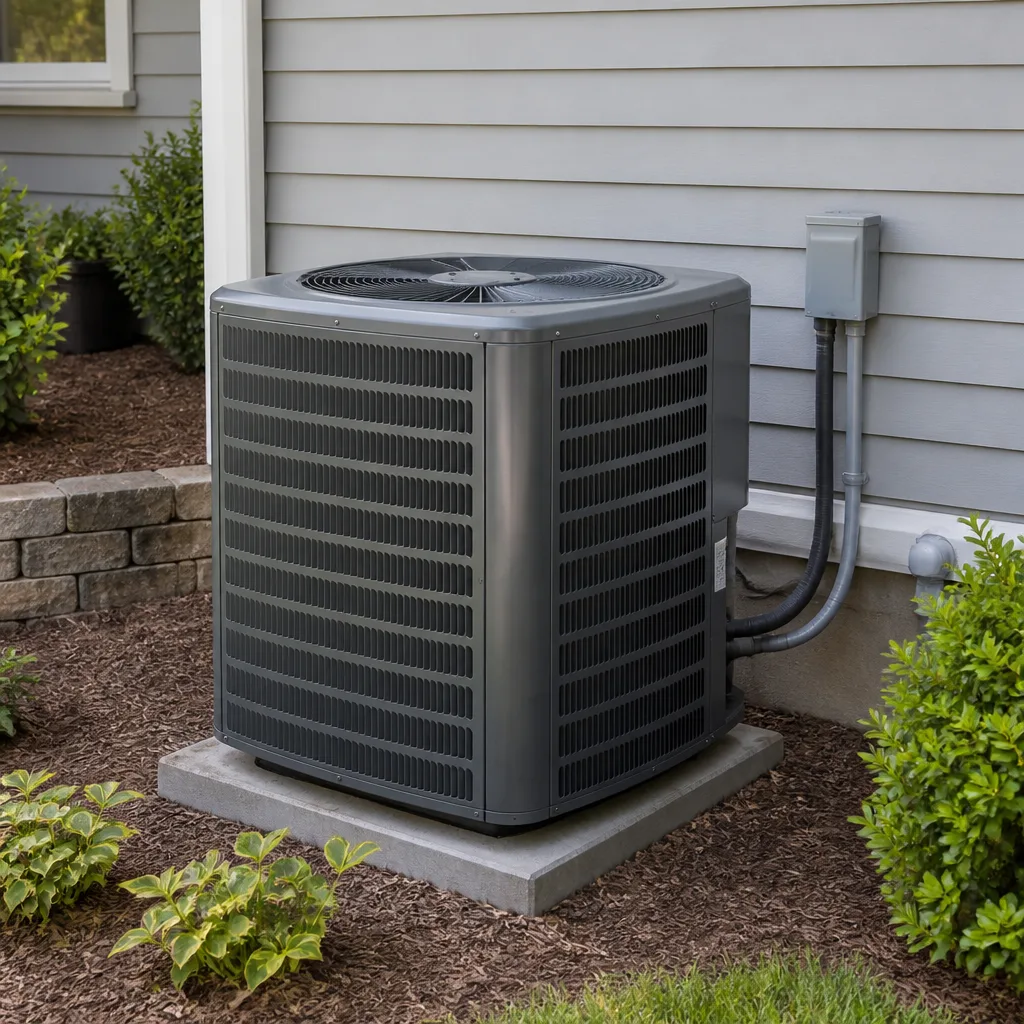 Goodman
Seasonal tune-up and full diagnostic on your Carrier, Trane, or Goodman system - readings shown to you before any repair is proposed
Diagnosis first, numbers second - you approve the repair price before a single part goes in.
Get your free estimateThe Complete AC Installation Guide for Riverview Homeowners
Most AC failures in the first couple of years trace back to installation day, not the equipment. The unit was the right brand, the box was sealed, the invoice looked clean, and the system still underperforms because sizing, airflow, or refrigerant charge was guessed at instead of measured. In Riverview’s climate, that margin for error is smaller than almost anywhere else in the country. Cooling season runs most of the year, humidity stays high, and a system that’s slightly oversized or undercharged never gets a break long enough to hide the problem. This guide walks through what a proper installation actually involves here, from load calculations to permit requirements to the readings you should see before the crew packs up.
Quick Answer
A correct AC installation in Riverview starts with a Manual J load calculation, not a unit recommendation. It includes a permit through Hillsborough County, an inspection of existing ductwork before any equipment is ordered, and system selection (single-stage, two-stage, or variable-speed) matched to how the home actually runs through a long cooling season. The job isn’t finished until refrigerant charge, airflow, and thermostat calibration are verified and documented on installation day.
Styles & brands we work with
- AC repair
- Furnace & heating
- Heat pumps
- Ductless mini splits
- Carrier
- Trane
- Goodman
Table of Contents
- Why Manual J Load Calculations Matter More in Riverview
- Hillsborough County Permits and Why They Matter at Resale
- Ductwork: What to Inspect Before You Agree to Anything
- Single-Stage vs. Two-Stage vs. Variable-Speed for Year-Round Cooling
- What to Verify on Installation Day
- Choosing a Brand Without Getting Steered
- When to Schedule Installation in Riverview
Why Manual J Load Calculations Matter More in Riverview
A Manual J load calculation is the engineering step that determines how much cooling a specific house actually needs. It accounts for square footage, window orientation, insulation levels, roof construction, duct location, and internal heat sources. Skipping it and sizing by rule of thumb (“about a ton per 500 square feet”) is the single most common shortcut in residential HVAC, and in Riverview it costs homeowners the most.
Here’s why. In a drier climate, an oversized system runs short cycles and the house still feels acceptable most of the time. In Riverview, short cycling is a humidity problem. An oversized unit cools the air fast, hits the thermostat setpoint, and shuts off before it has pulled enough moisture out of the air. The house feels cold and clammy at the same time. Over a full cooling season, that pattern wears on the compressor and leaves the home less comfortable than a correctly sized system that runs longer, steadier cycles.
What a proper load calculation delivers:
- A tonnage number tied to the actual house, not a neighborhood average
- Room-by-room airflow targets that feed directly into duct design
- An honest equipment recommendation, including whether the existing ductwork can even support the size being considered
- A written record you can reference if you ever sell the home
We run load calculations on every installation estimate. If an installer quotes a replacement size without measuring the house, that’s a signal worth paying attention to. Whether the existing system “seemed fine” is not a load calculation. Homes get new windows, added insulation, enclosed lanais, and room additions over the years, and the original tonnage may no longer fit.
What happens when installers skip it
The most common outcomes are an oversized system that can’t dehumidify, an undersized system that runs constantly and never quite keeps up in July and August, and ductwork that was never designed for the air volume being pushed through it. All three show up as comfort complaints within the first season. For a deeper look at how we approach the sizing conversation, see our AC installation page.
Hillsborough County Permits and Why They Matter at Resale
AC installation in Riverview requires a permit through Hillsborough County. This isn’t optional paperwork, and it isn’t something a homeowner should wave off to save time. A permitted installation gets inspected, and the inspection confirms the work matches code for electrical connections, refrigerant handling, condensate disposal, and equipment placement.
Why it matters at resale: when a buyer’s inspector finds an AC system with no permit on record, the question becomes whether the installation was done correctly. That question can hold up a closing, trigger a re-inspection, or force a corrective permit and inspection after the fact. The cost of pulling a permit properly at the time of installation is a fraction of what it costs to resolve a permit problem years later during a sale.
What the permit process typically involves:
- Permit application filed before work begins, listing equipment specifications and the contractor
- Rough-in inspection if applicable, before the system is closed up or charged
- Final inspection confirming the installation meets code
- Record on file with the county, tied to the property address
We pull permits as part of installation work in Riverview. If a contractor suggests skipping the permit to move faster, that’s not a shortcut worth taking. For related service questions in the area, our Riverview page covers what we handle locally.
What to ask before work starts
- Will you pull the permit, and can I see the permit number once it’s filed?
- Who schedules the inspection, and will I get the inspection result?
- Is the equipment listed on the permit the same equipment being installed?
Ductwork: What to Inspect Before You Agree to Anything
Ductwork condition can make or break a new system’s efficiency, and it’s the part of an installation estimate homeowners most often overlook. A high-efficiency unit connected to leaky, undersized, or poorly routed ducts delivers a fraction of its rated performance. In a home with attic ducts, which is standard construction throughout Riverview, duct losses matter even more because the ducts run through some of the hottest space in the house.
Before agreeing to any installation, the ductwork should be inspected for:
- Leaks at joints and connections – gaps at plenums, boots, and flex duct collars
- Disconnected or crushed flex duct – common in attics after other trades have been through
- Duct sizing vs. equipment airflow – a system rated for more airflow than the ducts can carry will run loud and deliver uneven cooling
- Insulation condition – compromised duct insulation in a hot attic translates directly to lost cooling capacity
- Return air path – a restricted return makes the whole system work harder
Our experience is that duct problems are just as common in older Riverview homes as equipment problems, and replacing the AC without addressing them is a way of installing a good unit into a system that can’t use it. Whether you have a Trane or a Goodman, the ducts are the same question.
Ask any installer how they measured the existing ductwork, not just whether it “looks okay.” If the answer is a visual glance, that’s useful information about the estimate you’re getting.
Single-Stage vs. Two-Stage vs. Variable-Speed for Year-Round Cooling
The stage type of a system describes how flexibly the compressor can run. Single-stage systems run at full capacity or off. Two-stage systems run at a low stage most of the time and step up when demand increases. Variable-speed systems ramp capacity up and down across a wide range. In a market where the AC runs nearly every month of the year, that choice matters more than it does in a short-season climate.
- Single-stage: Simplest design, lowest upfront cost, runs full-blast in short bursts. Acceptable in well-sealed homes with modest cooling loads, but the least forgiving on dehumidification during Riverview’s long cooling season.
- Two-stage: Runs at lower capacity in mild weather and steps up when it’s hot. Longer run times at the low stage pull more moisture out of the air, and the system runs quieter overall. A common middle ground for this climate.
- Variable-speed: The most flexible. The compressor matches output to the actual load rather than cycling, which is the closest thing to steady, even cooling and humidity control. The highest upfront cost, and the most benefit in a home with wide day-to-night temperature swings.
This isn’t a case where the most expensive option wins by default. A well-sealed, modestly sized home with good ductwork can run a two-stage system very comfortably. A larger home with a long interior space or a lot of west-facing glass tends to see more benefit from variable-speed. The load calculation is what tells you which is which.
If your home also heats with a furnace, a system replacement is a good time to think about the whole picture. Our furnace repair page covers heating-side service if you’re comparing repair against replacement on that half of the system.
What to Verify on Installation Day
Installation day is where a good or a mediocre job is decided. The equipment is in a box and the difference between a system that lasts and one that struggles shows up in the measurements taken before the crew leaves. This is the section to bookmark and use as a checklist.
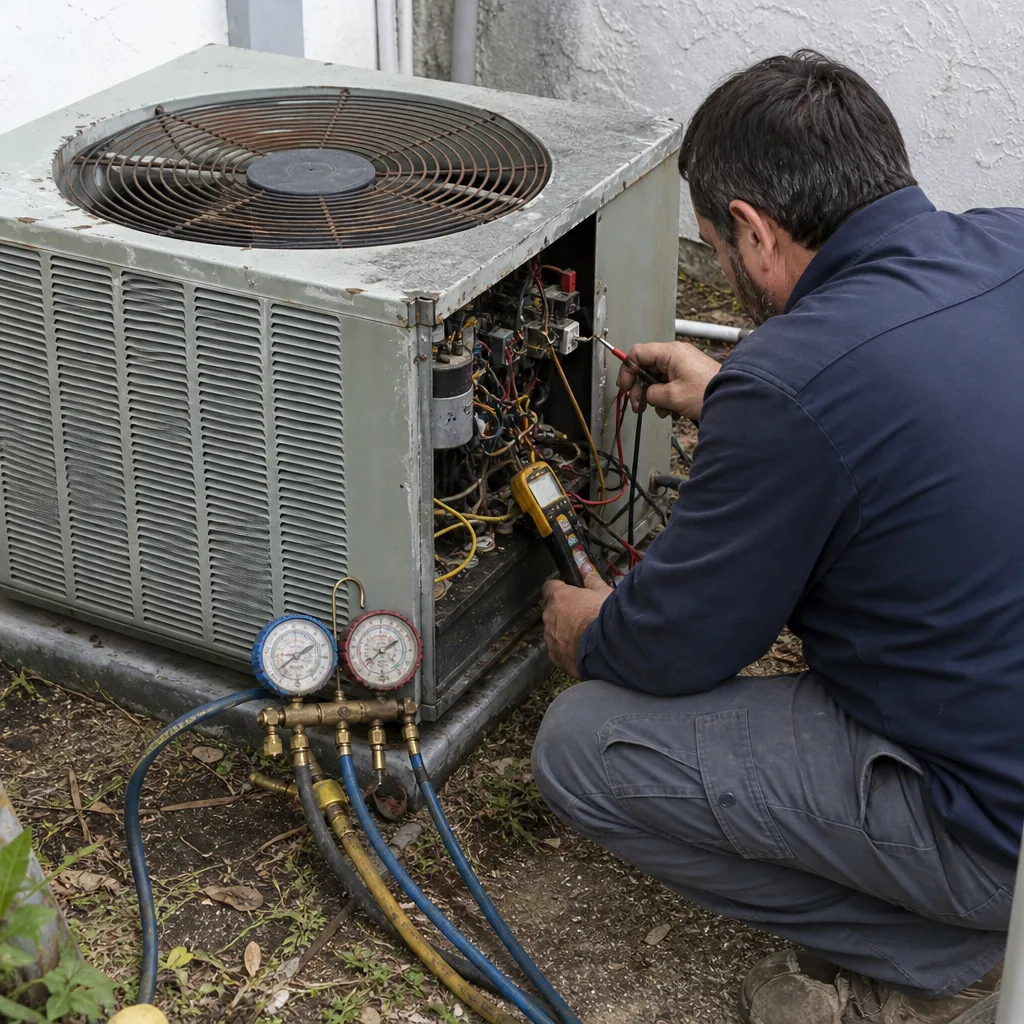
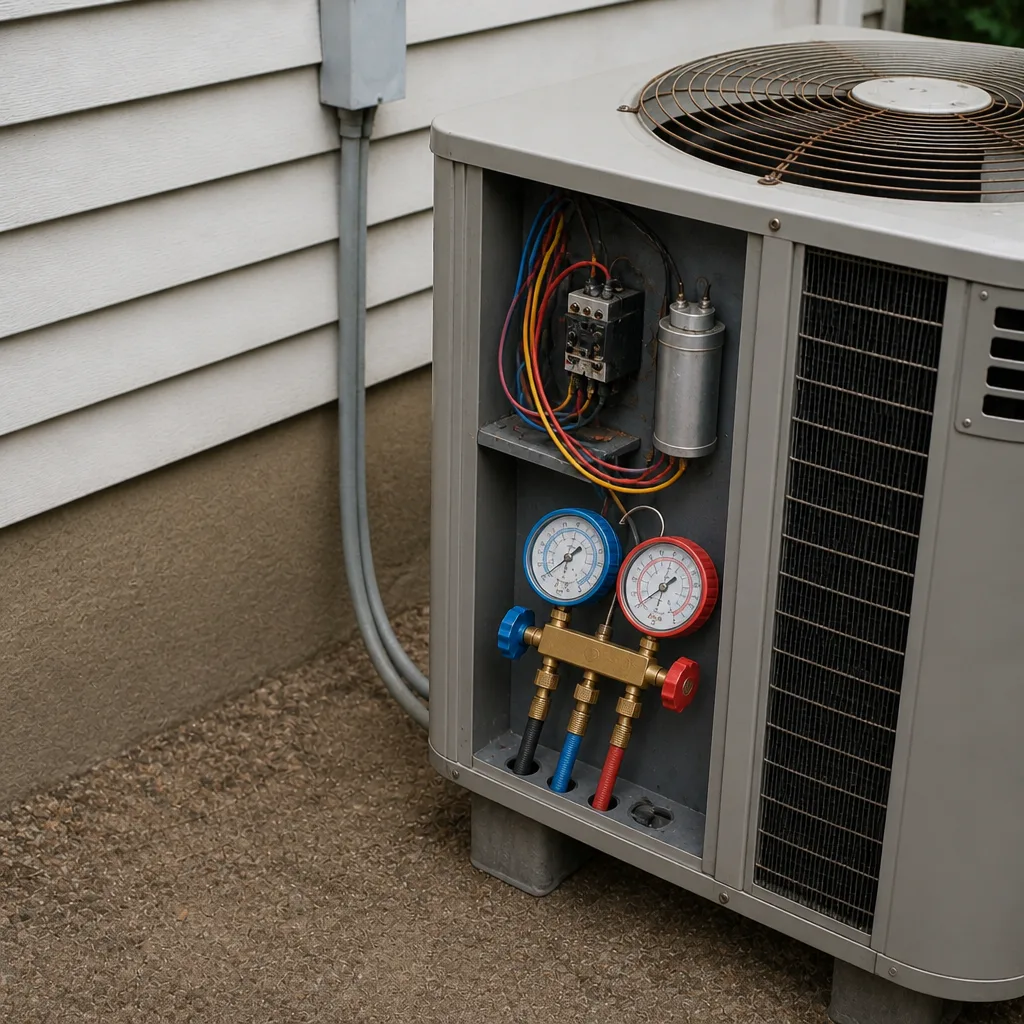
- Refrigerant charge verified by measurement. The manufacturer publishes a target charge (superheat or subcooling depending on the metering device). A line set charged by feel or by gauge glance is not verification. Ask for the readings.
- Airflow readings. Static pressure and airflow should be measured at the air handler and at the returns. If the ducts can’t carry what the unit needs, this is where it becomes visible. A system with 10% too little airflow is running short on capacity from day one.
- Thermostat calibration and configuration. The thermostat’s setup (stage timing, fan settings, heat pump or AC mode) should match the equipment. A thermostat left in a default mode can run a two-stage unit as single-stage, which wastes the upgrade you paid for.
- Condensate management. Drain line pitched correctly, trapped, and routed. In a Riverview attic in the summer, condensate production is high, and a misrouted drain shows up as a ceiling stain.
- Electrical and disconnect. Correct breaker size, disconnect in place, and a clean electrical inspection.
- Documentation. The load calculation, refrigerant readings, airflow readings, permit number, and equipment model/serial numbers on paper before the crew leaves.
None of those six items take long to verify. What they cost when they’re skipped is measured over the life of the system. If you’re comparing installers, ask each one whether they’ll provide these readings. The answer tells you a lot about what “installed” means to them.
If your current system fails before you’ve planned a replacement, our AC Repair Riverview page covers diagnosis and repair.
Choosing a Brand Without Getting Steered
Brand matters less than correct sizing and installation, and more than you’d guess. The major residential manufacturers all build equipment that performs well when it’s installed correctly and all build equipment that can struggle when it isn’t. What changes dramatically from contractor to contractor is which brands they have access to and which ones they’re incentivized to move.
We’re certified to work on nine major brands: Carrier, Trane, Lennox, Goodman, Rheem, York, Daikin, Bryant, and American Standard. That’s not a sales list, it’s a deliberate choice. A specialist who works across brands can diagnose a system based on how it actually performs rather than what a single manufacturer’s program would prefer. It also reduces the pressure to swap out equipment unnecessarily. If a homeowner owns a Lennox or a Rheem that’s still serviceable, the right answer may be repair rather than replacement, and a multi-brand shop can say so without losing a sale.
What actually matters more than brand when comparing equipment:
- Matching indoor and outdoor units – a mismatched coil and condenser leaves performance and warranty on the table
- The quietness and efficiency ratings in writing – not the marketing name
- Parts availability in this market – a well-supported brand is easier to service over time
- Whether the installer has actually installed that specific model before
Our take: if a quote steers you to one brand without explaining why that brand fits your load calculation and ductwork, ask the question directly. The answer should be about your house, not the installer’s inventory.
When to Schedule Installation in Riverview
Scheduling isn’t just about convenience. Installation in the worst of the summer heat stresses both the crew and the equipment startup process. Scheduling outside the peak demand window usually means a more relaxed installation and a shorter wait if something needs to be corrected. Plan for replacement in the shoulder months when you can, but never at the cost of running a failing system through a Florida summer to save a scheduling headache.
Signs your system is a scheduling candidate rather than a repair candidate:
- Frequent repairs stacking up in a single season
- Persistent humidity problems that didn’t used to exist
- Rising energy use in a system that’s been stable
- A load calculation that shows the installed system was never sized right for the house
- A system age at the point where replacement cost and repair cost start to converge
Installation is scheduled around equipment delivery and permit timing. We quote a written fixed price, schedule a set install date, and do the paperwork for the permit as part of the job. If you’re comparing replacement quotes, ask each one for a set date, not “sometime next week.”
Common Mistakes to Avoid
- Sizing by square footage alone. “A ton per 500 square feet” ignores everything that matters in Riverview, from window orientation to attic insulation, and it’s how homes end up with a system that can’t control humidity.
- Buying the equipment before the ductwork is inspected. A new system connected to undersized or leaking ducts is a waste of capacity and money, and the paperwork gets signed before anyone measures the existing system.
- Skipping the permit. Unpermitted work sits on the property record as a question mark. It comes up at resale, and correcting it later costs more than the permit ever would.
- Accepting the installer’s word that the old tonnage “worked fine.” Homes change. A room addition, new windows, or enclosure of a lanai can all invalidate the original sizing assumptions.
- Not asking for refrigerant and airflow readings. If nobody measures the charge or airflow, nobody knows whether the installation is correct. Those readings belong on the invoice.
- Choosing variable-speed for the name and not the load. It’s excellent equipment, but if the load calculation and ductwork don’t support it, the upgrade buys less than expected. Choose equipment based on the house, not the brochure.
- Letting a brand preference drive the decision. The right system comes from a load calculation and duct inspection. Not from what one contractor happens to stock.
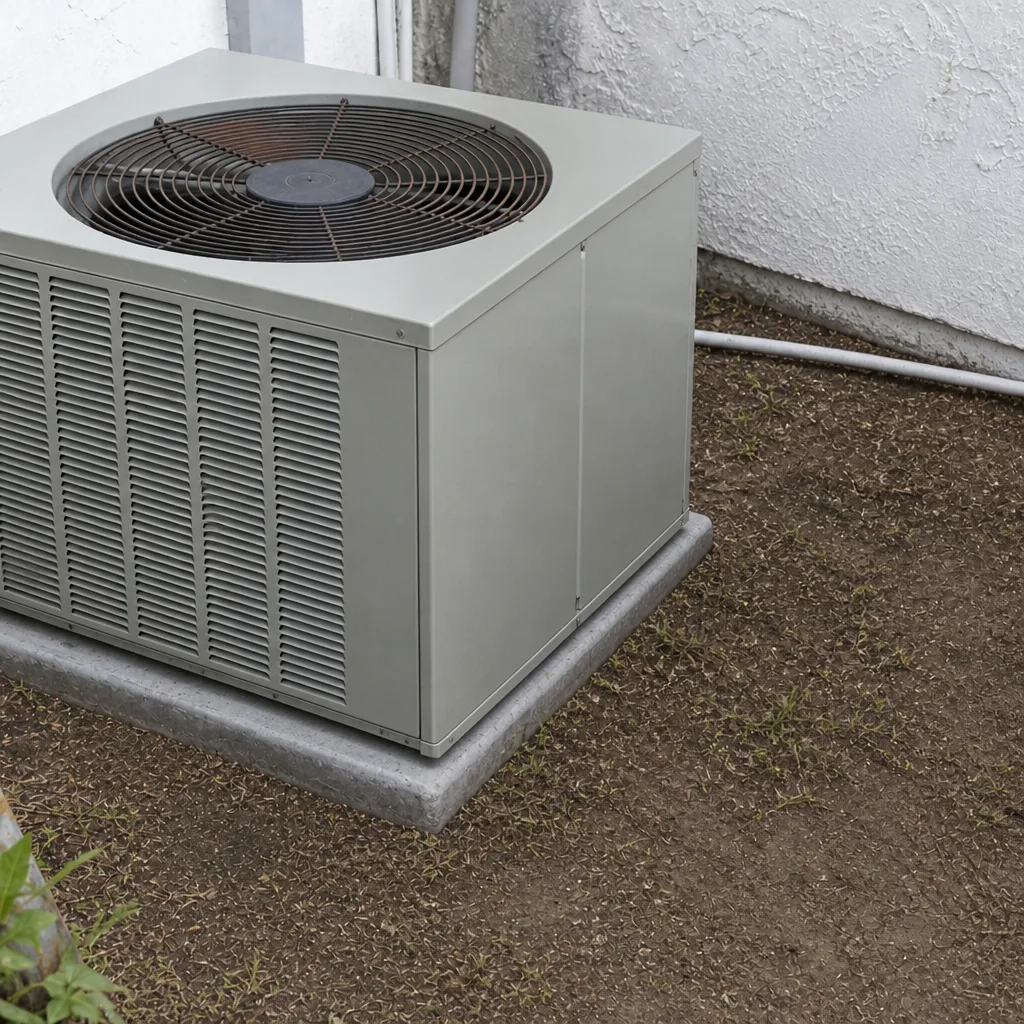
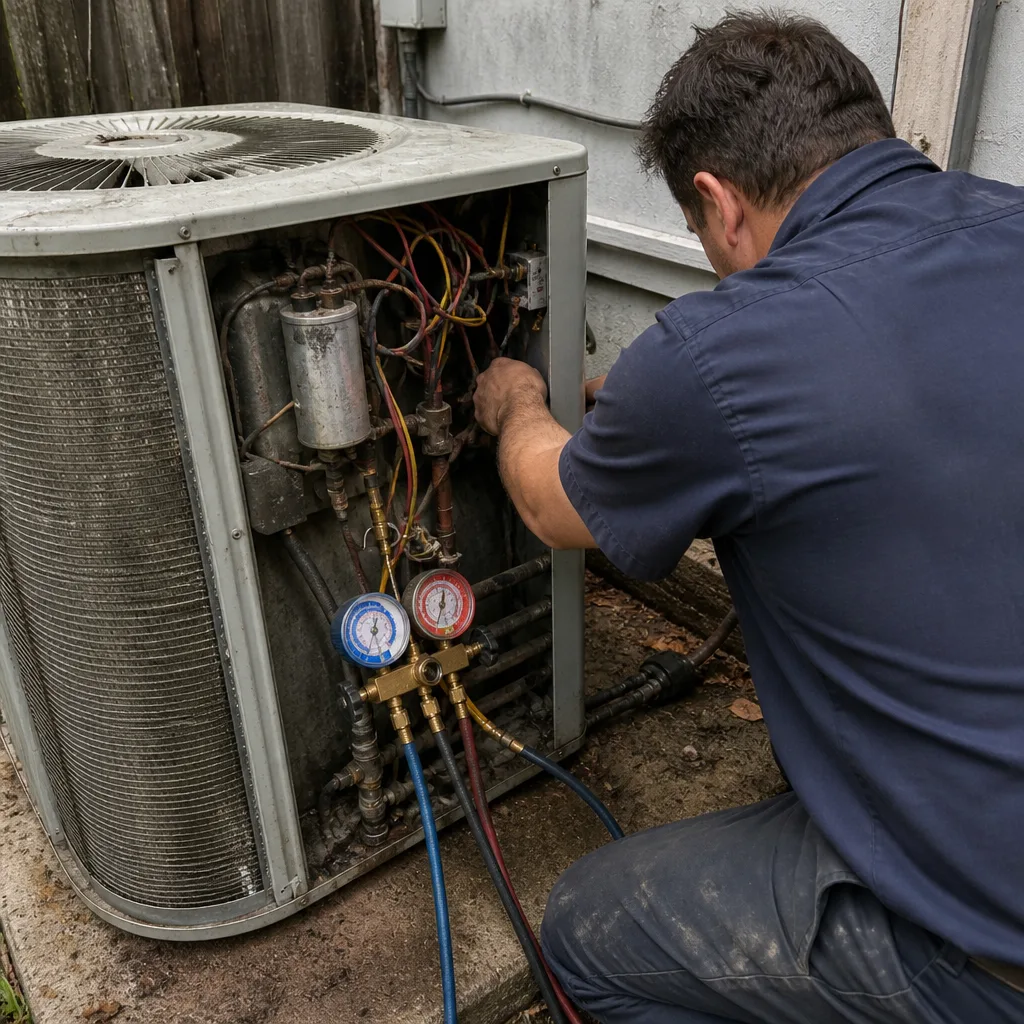
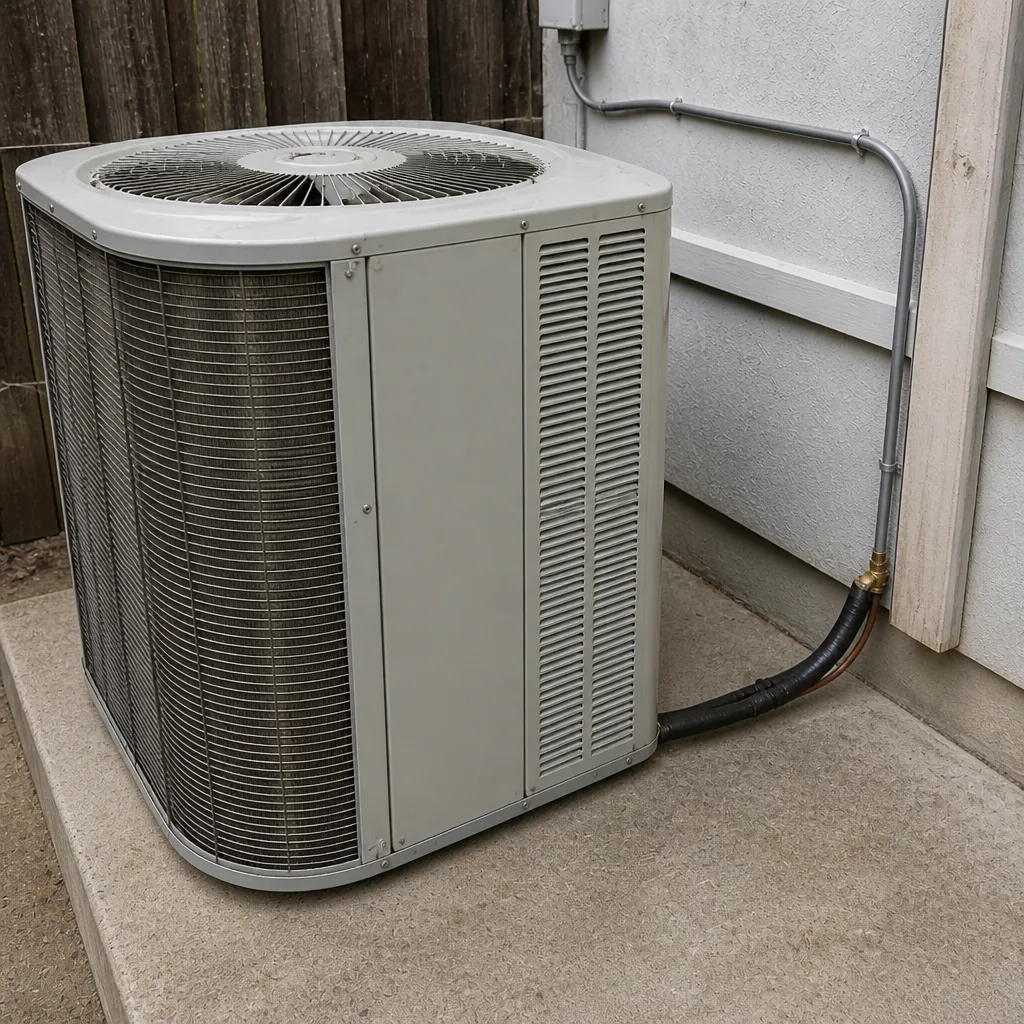
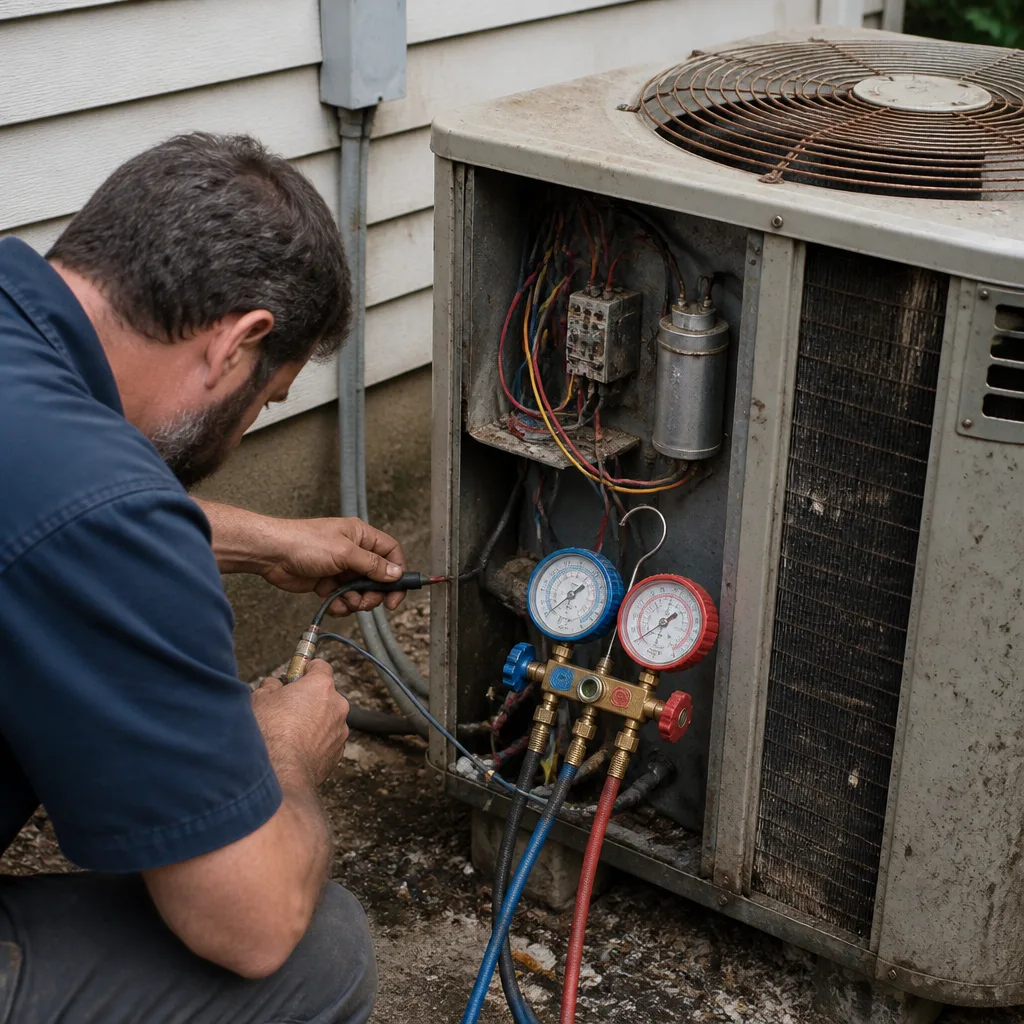
See the difference
 Before
 After
 Before
 After
 Before
 After
When to Call a Professional
There’s a real line between a system that needs a small fix and one that needs a new installation, and it’s not always obvious from the outside. Call us when a system is stacking up repairs within a season, when humidity control has slipped without a change in habit, when a quote for replacement arrives without a load calculation or duct inspection, or when you’re not sure whether repair or replacement makes financial sense. AC Repair Riverview offers free estimates in Riverview. Call (888) 465-9784. We answer 24/7. Fast dispatch from 7am to 7pm, Sunday through Friday.
Frequently Asked Questions
The cost depends on system size, stage type, and whether the ductwork needs work. Our estimates are free and the price is set per job by a written estimate. Call (888) 465-9784 for an exact quote.
Yes. AC installation here requires a permit through Hillsborough County, and the work gets inspected. A permitted installation protects the resale record of the home and confirms the installation matches code. Call (888) 465-9784 with questions about permits on a specific job.
A standard residential replacement is typically a full-day job, though timing depends on whether ductwork and electrical need rework. Installation is scheduled with a set date rather than same-day, since the load calculation, permit, and equipment order come first. Call (888) 465-9784 to get the process started.
We’re certified to work on nine major brands: Carrier, Trane, Lennox, Goodman, Rheem, York, Daikin, Bryant, and American Standard. Brand choice follows the load calculation, not the other way around. Call (888) 465-9784 to discuss what fits your home.
It often is in homes with wide day-to-night temperature swings or lots of west-facing glass, because the compressor matches output to load. In a well-sealed, modestly sized home, a two-stage system can be a very comfortable fit at lower cost. Call (888) 465-9784 for an honest recommendation based on your house.
Get the refrigerant charge verification, airflow readings, thermostat configuration, and the equipment model and serial numbers in writing. If a quote or install doesn’t produce those, the installation wasn’t verified. Call (888) 465-9784 with any questions about what to expect on installation day.
The Bottom Line
AC installation in Riverview is a system decision, not a product purchase. The load calculation determines the size, the ductwork determines whether the system can actually deliver, the permit keeps the work verifiable at resale, and the readings taken on installation day determine whether the equipment runs the way it was designed to. In a climate where cooling runs nearly year-round, all four parts of that chain have to hold. If you’re planning a replacement, comparing quotes, or deciding between repair and replacement, call (888) 465-9784 for a free estimate. We answer 24/7. Fast dispatch from 7am to 7pm, Sunday through Friday.
Written by the team at AC Repair Riverview.